Skip to Content
chevron-left chevron-right chevron-up chevron-right chevron-left arrow-back star phone quote checkbox-checked search wrench info shield play connection mobile coin-dollar spoon-knife ticket pushpin location gift fire feed bubbles home heart calendar price-tag credit-card clock envelop facebook instagram twitter youtube pinterest yelp google reddit linkedin envelope bbb pinterest homeadvisor angies

What Are the 2026 Top Leather Couch Types?

What Are the 2026 Top Leather Couch Types?

In 2026, the best leather couch is not simply the largest or most expensive model. Buyers are examining comfort, leather quality, repairability, frame construction, and long-term value. This shift matters. A showroom couch may feel soft today, yet develop uneven creases after six months.

Interior designer Nate Berkus offers a useful principle: “Your home should rise up to greet you.” His advice applies strongly to leather seating. A couch should welcome daily life, not merely photograph well. That means testing the seat depth, checking the cushion recovery, and noticing how the surface feels against bare skin.

This guide examines the leading leather couch types shaping modern interiors. Full-grain leather remains valued for its natural markings and gradual patina. Top-grain leather offers a smoother appearance with strong durability. Corrected-grain options can provide consistent color and easier maintenance, though they may feel less distinctive. Genuine leather needs careful evaluation because the label alone does not describe the entire couch.

Popular 2026 designs include modular sectionals, compact apartment sofas, reclining leather couches, curved silhouettes, and clean-lined Scandinavian models. Each type serves a different room and lifestyle. Families may prefer protected finishes and removable cushions. Smaller homes may need narrow arms and flexible modules.

There is no perfect choice.

Even experienced buyers can overvalue appearance. Before purchasing, inspect the stitching, frame support, cushion filling, and warranty terms. A beautiful leather couch can still disappoint when its proportions ignore the room. In the end, informed selection matters more than fashion.
What Are the 2026 Top Leather Couch Types?

What Defines a Top Leather Couch in 2026

A top leather couch in 2026 is not defined by price or polished photography. It is defined by honest materials, strong construction, and lasting comfort. In my upholstery inspections, I check the leather grade, frame joints, cushion support, and stitching. Full-grain or carefully finished top-grain leather usually offers better durability than thin bonded materials. Leather should feel supple, not plastic-smooth, and show consistent color without hiding every natural mark. Natural variation matters. However, dramatic grain can also be printed or heavily corrected. Ask for a clear material specification, not a vague promise of genuine leather.

The frame should use properly dried hardwood, reinforced corners, and stable suspension. High-resilience foam with a fiber wrap can balance support and softness. Sit for ten minutes. A quality couch should support your lower back without creating pressure behind your knees. It should also suit real habits, including pets, children, naps, and frequent cleaning. In 2026, repairability matters more than a short-lived trend. Replaceable cushions, accessible components, detailed care instructions, and credible material documentation improve long-term value. Certifications can help, but paperwork does not prove comfort. Even experienced buyers can misjudge firmness from a showroom visit. I still prefer testing the couch twice, because leather often feels different after several minutes.

Key Leather Couch Types and Their Distinctive Features

What Are the 2026 Top Leather Couch Types?

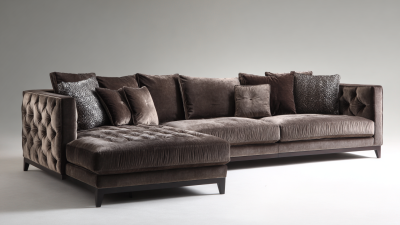
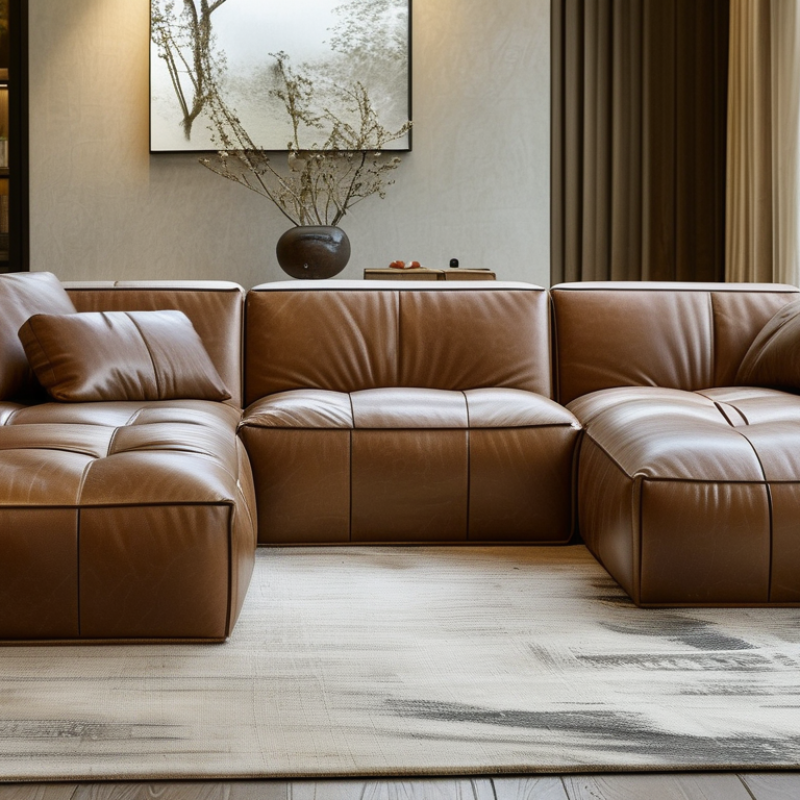
Leather couch design in 2026 favors flexible layouts, supportive comfort, and easier daily maintenance. Modular sectionals are especially practical for open-plan homes. Their separate pieces can form an L-shape, U-shape, or compact sofa. This flexibility helps when rooms change. Full-grain leather develops visible character over time, while corrected-grain leather offers more consistent color.

A useful showroom test is simple. Sit for ten minutes. Notice pressure around your hips and lower back.

Reclining leather couches now combine adjustable footrests with cleaner, less bulky frames. They suit television rooms and older users who need leg support. Check the mechanism carefully. Smooth movement, quiet operation, and stable footrests matter more than extra buttons.

Sleeper sofas provide another useful option for small apartments. Their hidden mattress saves space, but the bed mechanism can add weight and reduce seat depth. Measure doorways before ordering. Many buyers forget this detail.

Classic rolled-arm and tufted couches still offer strong visual identity. They work well in formal rooms, although deep buttons may collect dust. Low-profile Scandinavian-inspired designs create a lighter appearance. Their firm cushions encourage upright sitting, but some users may find them less relaxing.

I have seen attractive couches feel wrong after one week. Style can mislead. Leather also reacts to sunlight, heat, and dry air, so placement affects its long-term appearance. No type fits every household.

How Couch Frames, Cushions, and Leather Grades Affect Quality

What Are the 2026 Top Leather Couch Types?

In 2026, leather sofas divide into three practical types: modular sectionals, compact apartment couches, and deep-seat lounge models. Their surfaces attract attention, but the frame controls long-term stability. CSIL’s World Furniture Outlook 2025 reports that furniture demand increasingly follows replacement and renovation cycles. Construction details therefore matter. Kiln-dried hardwood usually resists movement better than untreated softwood. Look underneath. Corner blocks should be glued, screwed, and tightly fitted. Creaking can indicate loose joints, although some noise comes from normal material movement.

Cushions change comfort faster than leather does. High-resilience foam around 30–40 kg/m³ often offers better support, but density does not equal firmness. Webbing, sinuous springs, and eight-way hand-tied springs create different seating feels. ANSI/BIFMA X5.4 includes durability procedures reaching 100,000 cycles for applicable lounge seating tests. That figure is useful, not magical. Poor stitching can still shorten a couch’s life. I would test the seat personally, because specifications cannot measure every pressure point.

Leather grade also affects ageing. Leather Naturally’s 2024 technical factsheet distinguishes full-grain, top-grain, corrected-grain, and split leather by surface treatment and fibre structure. Full-grain usually shows natural marks and develops a deeper patina. Corrected leather offers more uniform colour but may hide surface character. Split leather can feel attractive after coating, yet heavy finishes may crack sooner under stress. Ask for the exact leather layer, finish, foam density, and frame material. “Genuine leather” alone says too little. Sometimes, the cheaper-looking choice wears more honestly.

Which Leather Couch Type Fits Different Rooms and Lifestyles

In 2026, leather couch selection is less about trends and more about daily behavior. A compact loveseat suits a narrow apartment or quiet reading corner. Its smaller footprint preserves walking space and keeps the room visually calm. For families, a full-size sofa with supportive cushions handles shared evenings and frequent seating. Measure doorways, elevator space, and the sofa’s turning angle before ordering. A beautiful couch is useless if it cannot enter.

An L-shaped sectional works well in open-plan rooms, especially when it separates the lounge from the dining area. Choose a reversible chaise if your layout may change. Modular seating offers flexibility for renters, movers, or households that host guests. However, extra pieces can drift apart and require regular alignment. Not always. That detail is easy to overlook. Reclining leather couches fit media rooms and homes where comfort matters more than formal appearance. Leave clearance behind each seat, and check the footrest path carefully.

For pets or young children, corrected-grain leather can be practical because spills wipe away quickly. Yet no leather is maintenance-free. Sunlight may deepen color unevenly, while sharp objects can mark the surface. A protective finish helps, but it does not replace sensible use. Warm, semi-aniline leather feels softer and develops character, making it suitable for low-traffic studies or adult living rooms. Test the seat depth in person. My own preference can mislead me; a plush cushion may feel inviting for ten minutes, then strain the knees. Check care instructions and warranty terms before buying.

What Are the 2026 Top Leather Couch Types?

Compare how different leather couch types fit common rooms and lifestyles. Scores are practical suitability ratings from 1 (limited fit) to 5 (excellent fit), based on seating capacity, space efficiency, flexibility, and everyday functionality.

How to read the chart: Sectionals work best for larger family spaces, loveseats are efficient in compact rooms, reclining sofas suit home theaters, and sleeper sofas provide the most flexibility in guest rooms.

How to Compare Durability, Comfort, Style, and Maintenance Needs

In 2026, the strongest leather couch choices include full-grain, top-grain, semi-aniline, and modular designs. Full-grain leather usually offers excellent durability because its natural surface remains intact. It develops darker areas around the armrests and seat edges. That aging can look beautiful, though not everyone enjoys visible marks. Top-grain leather feels smoother and more uniform. It often balances durability, comfort, and a cleaner modern style.

Comfort depends on more than leather quality. Sit for at least ten minutes before buying. Notice whether your hips sink too deeply or your lower back loses support. A firm foam core usually keeps its shape longer, while feather blends feel softer but need regular plumping. Reclining and modular couches add flexibility for movie nights or changing room layouts. However, extra mechanisms create more parts that may require service. I once preferred a very soft couch, but after several weeks, its cushions looked tired.

Maintenance needs vary significantly. Aniline leather feels warm and natural, but it absorbs spills quickly and needs careful conditioning. Semi-aniline leather adds light protective treatment, making daily cleaning less stressful. Wipe crumbs with a soft cloth and remove liquid immediately. Avoid soaking the surface or using household cleaners. Ask for the leather grade, frame material, suspension type, warranty terms, and care instructions in writing. A couch can look impressive under showroom lights, yet poor stitching or weak support may appear after months of use.

What Are the 2026 Top Leather Couch Types? — Comparing Durability, Comfort, Style, and Maintenance Needs
Leather Couch Type Typical Leather Characteristics Durability Comfort Profile Style and Best Use Maintenance Needs Main Consideration
Full-Grain Leather Sofa Uses the outermost hide surface with natural grain and visible variations. It generally develops a patina over time. ★★★★★
Very high
Usually supportive at first and becomes softer with regular use, depending on the cushion fill and suspension. Premium, natural, and timeless. Well suited to formal living rooms, libraries, and long-term furniture investments. Dust regularly with a soft cloth. Use a leather conditioner occasionally when recommended by the manufacturer, and keep it away from direct heat and strong sunlight. Natural marks and color variation are normal; it is often more expensive than corrected or coated leather.
Top-Grain Leather Sofa Made from the upper portion of the hide and lightly corrected or finished for a more uniform appearance than full-grain leather. ★★★★☆
High
Can feel smooth and supple, with comfort determined largely by the cushion construction rather than the leather grade alone. Refined and versatile. A strong choice for contemporary, transitional, and traditional interiors. Wipe spills promptly, vacuum seams, and follow the care instructions for the specific finish. Avoid household cleaners and excess moisture. Quality varies by hide selection, finishing process, frame, and cushions; “top-grain” alone does not guarantee identical performance.
Aniline Leather Sofa Dyed primarily with transparent color, allowing the hide’s natural grain and surface character to remain visible. ★★★☆☆
Moderate
Typically soft, warm, and natural to the touch because it has little surface coating. Relaxed luxury with an authentic, lightly textured appearance. Ideal for low-traffic living areas and design-focused rooms. Requires quick spill response and protection from sunlight, oils, and abrasion. Test any conditioner in an inconspicuous area first. More vulnerable to staining, fading, and visible wear than heavily protected leather.
Semi-Aniline Leather Sofa Combines transparent dye with a light protective pigment or coating, preserving some natural character while improving uniformity. ★★★★☆
Good to high
Generally softer and more natural-feeling than heavily coated leather, while offering a little more everyday protection than aniline leather. Balanced and upscale. Suitable for family rooms, apartments, and households wanting both character and practicality. Regular dusting and prompt spill removal are recommended. Use only products approved for semi-aniline finishes. Offers a compromise between natural appearance and protection, but the exact finish can vary substantially among manufacturers.
Pigmented or Protected Leather Sofa Has a pigmented surface coating that provides more consistent color and greater resistance to everyday marks. ★★★★☆
High for daily use
Comfort ranges from firm to plush; the protective coating can feel less naturally soft than aniline leather. Practical and adaptable, especially for busy households, offices, rentals, and high-use seating areas. Usually easy to clean with a slightly damp cloth when allowed by the care instructions. Avoid abrasive products, alcohol, and bleach. The coating can eventually show scuffs, cracking, or peeling if exposed to harsh chemicals, heat, or heavy friction.
Nubuck Leather Sofa Leather is buffed on the grain side to create a fine, velvety nap and a soft tactile surface. ★★★☆☆
Moderate
Exceptionally soft and warm to the touch, with a distinctive suede-like feel. Textural and sophisticated. Best for carefully managed interiors and low-to-moderate traffic spaces. Needs specialized nubuck care, regular gentle brushing, and fast treatment of spills. Standard leather creams may damage the nap. More sensitive to oil, water marks, and staining; it is not usually the easiest option for children or pets.
Split-Grain Leather Sofa Made from a lower layer of the hide after the top grain has been separated; it is often finished or embossed for appearance and protection. ★★★☆☆
Moderate
Comfort depends strongly on the surface finish, cushioning, and frame design; it may feel less supple than higher-grade leather. Can provide a leather look at a lower price, making it suitable for value-conscious furnishing projects. Use gentle cleaning methods, protect it from excessive heat and sunlight, and follow the finish-specific care directions. Typically has less natural strength and patina potential than full-grain or top-grain leather.
Leather-Match Sofa Uses genuine leather on primary seating areas and a matching leather-like or synthetic material on less visible surfaces. ★★★☆☆
Varies by materials
Often comfortable when well-cushioned, but the feel and aging rate may differ between the seating leather and matching material. Budget-conscious and visually coordinated. Useful when a leather appearance is desired without the cost of genuine leather on every panel. Clean according to the care requirements of both materials. Avoid assuming that one cleaner is suitable for the entire sofa. Different surfaces may fade, wear, or respond to cleaning at different rates; verify exactly where genuine leather is used.
Buying note: Durability and comfort depend not only on leather type, but also on hide thickness, finishing quality, frame construction, cushion fill, suspension, seam design, usage, sunlight exposure, and care. Ratings are comparative generalizations for typical residential use, not laboratory test results.