What Are the 2026 Top Roof Drain Types for Global Buyers?
Choosing the right Roof Drains in 2026 is no longer a simple catalog exercise. Global buyers must match drainage design with rainfall intensity, roof structure, maintenance access, and local project requirements. A warehouse in Dubai faces dust and sudden storms. A cold-storage facility in Helsinki faces ice, thermal movement, and freeze protection. Details matter.
This guide examines the leading roof drain types expected to attract international attention in 2026, including cast iron, stainless steel, aluminum, plastic, siphonic, and emergency overflow systems. It considers where each option performs well, where it becomes expensive, and what buyers should verify before placing an order. Practical evaluation includes outlet size, flow capacity, clamping rings, waterproofing compatibility, corrosion resistance, and replacement availability. A low purchase price can hide installation delays or costly repairs. That lesson is easy to miss.
Reliable purchasing also requires more than comparing product photos. Buyers should review technical drawings, test data, material grades, warranties, packaging quality, and supplier production experience. Regional standards and approval procedures may differ, so one specification cannot safely serve every market. This article balances engineering logic with field-oriented questions: Will leaves block the dome? Can workers clean the basket safely? Does the seal remain flexible after years of exposure? Some forecasts about 2026 demand remain uncertain, especially as green roofs and climate patterns evolve. Conditions differ. Use this overview as a careful starting point, then confirm calculations with qualified drainage professionals and local authorities.
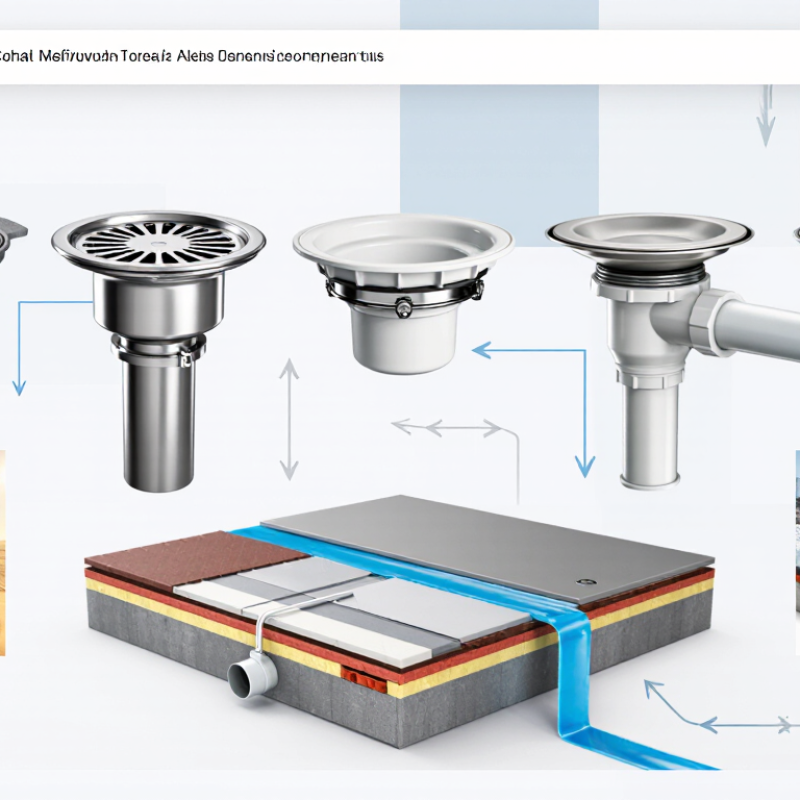
What Makes a Roof Drain Suitable for Global Buyers in 2026
A roof drain suitable for global buyers must handle local rain, materials, standards, and maintenance realities. WMO’s State of the Global Climate 2024 reported a record global temperature, 1.55°C above the 1850–1900 average. Heavier downpours are becoming a practical design concern. Annual rainfall averages are not enough.
Gravity drains suit many small and medium roofs. Siphonic systems can move high volumes across large commercial roofs with fewer outlets. Emergency overflow drains add protection when primary outlets clog.
Green roofs need inspection chambers that remain accessible beneath growing media. The right choice depends on roof area, slope, rainfall intensity-duration-frequency data, and debris exposure. There is no universal “top” drain.
UNEP’s Global Status Report for Buildings and Construction 2024/2025 states that buildings use about 32% of global energy and create roughly 34% of global carbon emissions. Durable drainage supports longer roof service and fewer replacement cycles. Buyers should request tested flow capacity, grate dimensions, corrosion resistance, UV performance, and temperature limits. Compliance with EN 12056-3 or equivalent local standards should be verified, not assumed. Installation drawings must show waterproofing interfaces and overflow levels. Small omissions become expensive.
A practical specification also includes spare parts, cleaning access, and multilingual documents.
I would not approve a drain from flow figures alone. Field maintenance often exposes the weakness.
How Roof Drain Designs Differ by Roof Structure and Climate
What Are the 2026 Top Roof Drain Types for Global Buyers?
Roof structure and climate should guide drain selection more than appearance. Flat concrete roofs often use gravity drains with broad strainers and reliable outlet connections. They suit moderate rainfall and simple maintenance access. Metal roofs may need compact drains, concealed outlets, or external scuppers. Movement between metal panels can stress rigid connections.
Siphonic drainage supports large commercial roofs with intense rainfall. It moves water quickly through horizontal pipes, but accurate design is essential. Poor air control can reduce performance. Green roofs need drains with root-resistant guards and inspection points. Cold regions may require heated drains, insulation, and protected overflow paths. In coastal climates, corrosion-resistant materials deserve close attention. A larger drain is not always safer. Pipe layout, roof slope, debris, and emergency drainage matter just as much.
Tips: Check rainfall intensity, roof area, slope, and local building requirements before choosing a drain. Ask for flow testing and material data. Inspect the roof after heavy rain. Small ponding areas can reveal a design weakness. Global buyers should also confirm replacement access and compatible seals. One overlooked detail is maintenance space; even a well-designed drain becomes unreliable when workers cannot reach the basket. My own preference is cautious specification, although this can sometimes increase initial cost. That trade-off deserves review, not automatic acceptance.
Key Materials, Standards, and Performance Factors to Compare
What Are the 2026 Top Roof Drain Types for Global Buyers?
Key Materials, Standards, and Performance Factors to Compare
Global buyers are comparing cast iron, stainless steel, aluminum, and reinforced polymer roof drains. Each material suits different exposure conditions. Cast iron handles heavy traffic and impact well, but it demands corrosion protection. Stainless steel performs strongly in coastal or chemical environments. Aluminum is lighter, yet installers must check compatibility with surrounding metals. Reinforced polymer can resist corrosion, though heat movement and long-term brittleness require careful evaluation.
Standards should match the project location, not only the supplier’s catalog. EN 1253, ASME requirements, and local building codes may address drainage capacity, dimensions, fire behavior, or testing methods. They are not interchangeable. Request current test reports, material certificates, and installation details. A reliable manufacturer should explain the test setup and its limitations. Vague compliance wording deserves more questions.
Performance depends on more than the outlet size. Compare flow rate at realistic rainfall intensity, waterproofing around the flange, debris screening, and emergency overflow capacity. Check UV exposure, freeze-thaw cycles, thermal expansion, and maintenance access. On a recent site review, a high-capacity drain still underperformed because leaves blocked its shallow basket. That was an installation issue, but the design offered little tolerance. Buyers should inspect roof slopes, membrane compatibility, outlet connections, and cleaning frequency before selecting a type. Small details matter.
What Are the 2026 Top Roof Drain Types for Global Buyers?
Key materials, standards, and performance factors to compare
How to read this chart: The 1–5 values are an indicative buyer-screening index based on commonly recognized material characteristics. They are not certified product ratings. Cast iron and stainless steel generally provide the strongest mechanical and fire performance, while PVC and HDPE offer installation flexibility and high resistance to many chemicals. Aluminum provides a lightweight option but requires careful evaluation of corrosion exposure and thermal movement.
Relevant international references commonly used for roof drainage selection include ASME A112.6.4 for roof, deck, and balcony drains, and EN 1253 for gullies and floor drains. Final selection should also verify local plumbing codes, wind and fire requirements, waterproofing compatibility, outlet size, hydraulic capacity, and structural loading.
How to Select the Right Roof Drain for Different Projects
Selecting the right roof drain starts with rainfall, roof geometry, and maintenance access, not product popularity. NOAA Atlas 14 rainfall-frequency data should guide local intensity assumptions. Flat warehouses often suit gravity drains with wide leaders and accessible strainers. Siphonic systems can move high volumes through smaller pipes, but they require careful hydraulic modeling and specialist installation.
Overflow drains are essential where blocked outlets could threaten structural safety. FM Global Data Sheet 1-54 recommends independent emergency drainage paths for many low-slope roofs. ASCE 7-22 also links roof design to local environmental loads, yet rainfall calculations are often treated as an afterthought. That is risky. A drain layout must consider ponding, parapet height, pipe slope, debris, and future maintenance.
Green roofs need another decision layer. The U.S. Environmental Protection Agency reports that green roofs may retain 50–90% of rainfall, depending on climate and design. Their outlets still need protection from roots, growing media, and seasonal blockage. For cold regions, heated or freeze-resistant details may be necessary; coastal projects may need corrosion-resistant materials. I would not select a drain from flow rate alone. Site surveys, local codes, roof warranty conditions, and maintenance records can change the answer. Even experienced teams sometimes underestimate access. That deserves a second review.
