
Skip to Content
chevron-left chevron-right chevron-up chevron-right chevron-left arrow-back star phone quote checkbox-checked search wrench info shield play connection mobile coin-dollar spoon-knife ticket pushpin location gift fire feed bubbles home heart calendar price-tag credit-card clock envelop facebook instagram twitter youtube pinterest yelp google reddit linkedin envelope bbb pinterest homeadvisor angies

2026 Top Soundproof Aluminium Windows for Global Buyers

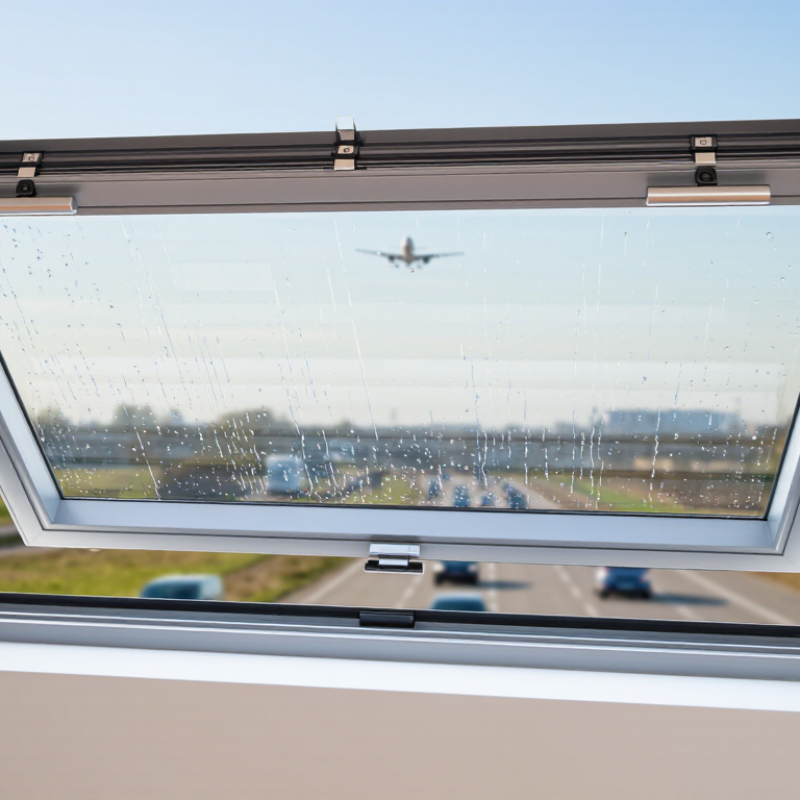
Global buyers entering the 2026 market need more than attractive frames. Soundproof Aluminium Windows must control noise while surviving sunlight, rain, wind, and repeated operation. A busy road can send low-frequency traffic through weak glazing. Aircraft noise can expose gaps around an otherwise premium frame. The installation matters as much as the product.

Dr. Lily M. Wang, an architectural acoustics researcher and author, has emphasized, “Good acoustic design begins with understanding the source, the path, and the receiver.” This principle remains practical for window selection. Buyers should compare tested acoustic ratings, including Rw or STC, rather than trust vague claims such as “noise-free.” Laminated acoustic glass, multiple seals, insulated aluminium profiles, and accurate frame tolerances can improve indoor comfort. However, thicker glass alone may not solve the problem. Poor fitting can leave a narrow but audible path beside the sash.

This guide examines leading Soundproof Aluminium Windows for international projects in 2026. It considers laboratory performance, glazing options, thermal efficiency, corrosion resistance, customization, and installation support. Climate differences also matter. Coastal buildings may require stronger surface protection, while cold regions need better thermal breaks. No window is completely silent. That expectation deserves correction. A reliable choice balances measured performance with the actual noise source, wall construction, budget, and local building requirements. Some product comparisons remain difficult because manufacturers report different testing methods. Buyers should request complete certificates, test conditions, warranty terms, and project references before placing an order.
2026 Top Soundproof Aluminium Windows for Global Buyers

What Makes Aluminium Windows Soundproof in 2026

In 2026, soundproof aluminium windows depend on tested assemblies, not thick frames alone. The strongest designs combine laminated acoustic glass, unequal panes, and sealed insulating cavities. A 2023 International Energy Agency buildings report notes that windows remain major weak points in building envelopes. Noise enters through small gaps.

Glass selection matters first. A 6.8-millimetre acoustic laminate can reduce speech and traffic frequencies more effectively than ordinary monolithic glass. Wider insulated cavities also improve performance, but only within tested limits. ISO 10140 laboratory testing measures airborne sound reduction, while ISO 717 converts results into Rw ratings. Buyers should request full test reports, not vague “soundproof” claims.

The frame must hold pressure evenly around the glass. Multi-chamber aluminium profiles, thermal breaks, and continuous compression seals help prevent leakage. One failed corner can undermine an expensive window. The World Health Organization’s Environmental Noise Guidelines for the European Region recommend less than 53 dB Lden for road traffic exposure and below 45 dB at night. Installation decides whether theory survives on site. Uneven walls, poor drainage cuts, or unsealed joints can reduce real-world performance. This is where many projects disappoint. I would compare laboratory ratings, frequency curves, glazing weight, hardware adjustment, and installer records before choosing a window for a bedroom, hotel, or urban office.

Key Performance Ratings for Comparing Acoustic Window Systems

For global buyers, acoustic window performance should be compared through tested ratings, not glass thickness alone. The key figure is Rw under ISO 717-1, supported by laboratory testing under ISO 10140. Higher Rw means stronger airborne sound reduction. A window rated Rw 40 can outperform a standard unit by roughly 10 decibels, which may sound about half as loud to listeners.

In North American specifications, STC is widely used under ASTM E90 and ASTM E413. OITC, defined through ASTM E1332, is more useful near roads because it includes lower-frequency aircraft, truck, and rail noise. For example, an OITC 35 window may provide better traffic control than a higher-STC window with weak low-frequency performance. Laminated acoustic glass, unequal pane thicknesses, and deeper air gaps often improve results. Aluminium frames also need continuous seals and insulated chambers.

Numbers can mislead. Laboratory ratings assume controlled installation, while site performance depends on wall joints, vents, shutters, and frame alignment. Field losses of several decibels are realistic. The World Health Organization’s 2018 Environmental Noise Guidelines recommend keeping road traffic below 53 dB Lden and 45 dB Lnight outdoors. Those limits show why a single rating is insufficient. Buyers should request the full test report, frequency-band data, air-leakage results, and installation details. A small sealing gap can defeat an expensive acoustic specification. That is an easy detail to overlook.

2026 Top Soundproof Aluminium Windows for Global Buyers

Key performance ratings for comparing acoustic window systems

Representative laboratory performance values for commonly specified aluminium window constructions. Higher values indicate better airborne sound insulation. Rw+C emphasizes traffic and speech noise, while Rw+Ctr is more relevant to low-frequency urban and road noise. Actual ratings vary with frame design, glazing dimensions, seals, installation quality, and test standards.

Top Soundproof Aluminium Window Types for Different Global Markets

Global buyers need soundproof aluminium windows matched to local noise, climate, and building habits. Casement windows usually provide stronger acoustic control because their compression seals close tightly. They suit urban apartments, hotels, and offices near busy roads. Sliding windows offer easier operation and wider openings, but their meeting rails can reduce airtightness. Good hardware matters.

For heavy traffic or aircraft noise, laminated acoustic glass is a practical choice. Its flexible interlayer helps reduce road rumble and sharp sound peaks. Double glazing works well in moderate city environments, while triple glazing supports colder markets and stronger thermal demands. However, more glass layers do not automatically mean better sound insulation. The glass thickness, airspace, frame seals, and installation must work together.

Coastal and humid regions benefit from corrosion-resistant aluminium finishes and reliable drainage paths. Cold markets should consider thermally broken frames, especially around heated interiors. In warm regions, solar-control glass can reduce indoor heat while retaining acoustic performance. Secondary glazing may suit heritage buildings or renovations where the original window must remain. I have seen impressive laboratory ratings weakened by poor site installation. Small gaps around the frame can carry noticeable noise. Buyers should request tested acoustic data, installation details, and performance evidence for the complete window system, not glass alone. Availability and local repair skills also deserve attention. A technically excellent window can become inconvenient when replacement seals are difficult to source.

How to Select Glass, Frames, Seals, and Installation Features

For 2026 global buyers, acoustic performance starts with the glass specification, not the aluminium frame alone. Laminated glass with an acoustic interlayer can reduce traffic, rain, and construction noise. Different glass thicknesses usually perform better than identical panes. Ask for tested Rw or STC values, and check the testing standard used. Ratings are not directly interchangeable.

A thermally broken aluminium frame improves comfort near the window edge. Its chambers should remain rigid under wind pressure and repeated opening. The sash must close evenly, without visible twisting. Seals deserve equal attention. Continuous EPDM or silicone gaskets should compress firmly around every corner. Small gaps matter. A strong frame cannot compensate for a leaking seal.

Installation often decides whether laboratory performance survives on site. The opening must be square, clean, and correctly supported before the frame is fixed. Fitters should seal the perimeter in layers, using backer material and compatible sealant where required. Avoid filling every cavity with expanding foam; uncontrolled pressure can distort the frame. I have seen excellent windows underperform because installers rushed the final adjustment. Measure twice. Check the latch, gasket contact, drainage, and wall junction after installation. Request project-specific test reports, drawings, and maintenance guidance before ordering. Performance claims should match your wall type, window size, and local climate, although these details are sometimes overlooked.

Global Buying Standards, Costs, Maintenance, and Supplier Evaluation

2026 Top Soundproof Aluminium Windows for Global Buyers

Global buyers should compare tested performance, not marketing labels. Acoustic ratings may use Rw, STC, or local equivalents, so certificates must identify the test laboratory and complete window assembly. Glass thickness, laminated interlayers, frame seals, and installation gaps affect real results. A strong rating can disappoint if the wall remains weak. It happens.

Request air, water, wind-load, thermal, and acoustic reports for the exact configuration. Check thermal-break design and U-value requirements for the destination climate. Coastal projects need suitable surface treatment and corrosion-resistant hardware. Factory tolerances matter too. A two-millimeter gap can reduce comfort and increase drafts.

Pricing should include glazing, packaging, inland transport, sea freight, insurance, duties, and installation. Compare delivered costs, not only factory quotations. Ask for production drawings before payment. Confirm lead time, replacement-part access, warranty exclusions, and inspection procedures. A reliable supplier should provide samples, traceable material information, and clear responses within an agreed period. Site experience suggests requesting one completed mock-up before mass production. It reveals handle clearance, drainage problems, and unexpected noise paths. Even careful planning misses details. Maintenance is practical: clean drainage channels, inspect gaskets, lubricate moving hardware, and avoid abrasive cleaners. Arrange inspections after severe weather or building movement. Supplier evaluation should include factory capacity, quality records, export experience, packaging methods, and independent pre-shipment inspection. A low quote may hide installation risk, rework, or difficult claims.

2026 Top Soundproof Aluminium Windows for Global Buyers - Global Buying Standards, Costs, Maintenance, and Supplier Evaluation

Rank Recommended Aluminium Window Configuration Typical Acoustic Performance Typical Thermal Performance Best Application Indicative Supply Cost Maintenance Profile Key Buying Risk
1 Thermally broken aluminium tilt-and-turn window with laminated acoustic double glazing
Typical glass build-up: 6.8 mm laminated / 16 mm air or argon cavity / 6 mm glass
Approximately Rw 40–44 dB; project results depend on frame, seals, installation, and glass composition. Typical whole-window Uw approximately 1.2–1.6 W/m²·K with an insulated frame and low-emissivity coating. Urban apartments, offices, schools, and residential buildings exposed to road traffic. USD 260–520/m² for the window unit, excluding shipping, installation, taxes, and project-specific engineering. Clean drainage channels and seals annually; lubricate hardware approximately once a year; inspect perimeter sealant. A high glass Rw value may not represent the acoustic performance of the complete installed window.
2 Thermally broken aluminium fixed window with asymmetric laminated double glazing
Typical glass build-up: 10.8 mm laminated / 16 mm cavity / 6 mm low-emissivity glass
Approximately Rw 42–46 dB; fixed units generally have fewer air-leakage points than opening units. Typical whole-window Uw approximately 1.1–1.5 W/m²·K, depending on frame depth and glazing spacer. High-noise façades, hospitals, hotels, recording-related spaces, and transport corridors. USD 220–450/m² for the window unit, excluding shipping, installation, taxes, and project-specific engineering. Low routine maintenance; inspect glass edges, gaskets, drainage, and external sealant during scheduled building inspections. Large glass areas can increase solar heat gain and weight; structural checks and correct glass handling are essential.
3 Thermally broken aluminium casement window with acoustic laminated triple glazing
Typical glass build-up: 8.8 mm laminated / 14 mm cavity / 6 mm glass / 14 mm cavity / 6 mm glass
Approximately Rw 44–48 dB when the frame, seals, and installation are acoustically matched. Typical whole-window Uw approximately 0.8–1.2 W/m²·K. Cold climates, premium residential projects, energy-efficient offices, and areas requiring both noise and heat control. USD 360–700/m² for the window unit, excluding shipping, installation, taxes, and project-specific engineering. Check adjustment of hinges and locking points; clean tracks and drainage; replace damaged gaskets rather than applying excessive force. Higher sash weight may cause hardware wear or installation problems if reinforcement and load calculations are inadequate.
4 Thermally broken aluminium lift-and-slide door-window system with laminated insulated glazing
Typical glass build-up: 6.8 mm laminated / 16 mm cavity / 6 mm glass
Approximately Rw 38–44 dB; performance is strongly affected by panel size, interlocks, rollers, and perimeter seals. Typical whole-element Uw approximately 1.3–1.8 W/m²·K. Balconies, terraces, hospitality projects, and wide openings where ventilation and access are priorities. USD 450–900/m² for the unit, excluding shipping, installation, taxes, and project-specific engineering. Vacuum or brush-clean tracks regularly; keep rollers and drainage free of debris; inspect locking alignment after seasonal movement. Sliding systems usually provide lower airtightness and acoustic performance than correctly installed hinged systems.
5 Acoustic secondary aluminium window installed behind an existing primary window
Separate air space typically 100–200 mm, subject to reveal depth and ventilation requirements
Potential additional reduction of approximately 10–20 dB when the original window is reasonably airtight and the air gap is properly designed. Improves overall thermal resistance, but the final result depends on the existing window and the secondary frame. Historic façades, retrofit projects, rented properties, and buildings where the external window cannot be replaced. USD 180–420/m² for the secondary unit, excluding surveys, adaptation work, installation, and taxes. Maintain both window layers; control condensation; keep the cavity accessible for inspection and cleaning. Poorly sealed reveals, moisture accumulation, or insufficient opening access can undermine acoustic and durability performance.
Global Buying Standards and Verification Checklist
Evaluation Dimension Preferred Requirement Evidence to Request from Supplier Buyer Acceptance Point
Acoustic testing Complete-window acoustic test, not glass-only data; report the applicable rating such as Rw, Rw+C, or Rw+Ctr. Independent laboratory report identifying the frame, glass, dimensions, seals, hardware, and test configuration. Test specimen is materially equivalent to the proposed production window.
Thermal performance Whole-window Uw and solar factor g-value calculated for the actual size and glazing combination. Calculation or test report referencing the frame, spacer, glass, dimensions, and intended climate zone. Values comply with the destination country’s energy code or project specification.
Air, water, and wind resistance Performance classification suitable for the building height, exposure, local rainfall, and wind zone. Test classifications and laboratory reports under applicable regional standards. No unapproved substitutions of seals, drainage components, or locking hardware.
Aluminium and coating quality Thermal-break polyamide profile; coating selected for the exposure category and cleaning conditions. Profile section drawings, alloy and coating specifications, surface-finish samples, and quality-control records. Colour, gloss, dimensions, and visible finish match the approved sample and tolerance schedule.
Glass safety Laminated glass for acoustic performance; safety glazing where required by location, human impact risk, or local code. Glass make-up, thickness, safety classification, spacer type, low-emissivity coating, and permanent marking details. Glass composition is confirmed before production and matches approved shop drawings.
Installation capability Continuous airtight perimeter, correctly packed frame, insulated joint, and compatible internal and external sealants. Installation method statement, interface details, site references, and responsibility matrix. On-site inspection confirms plumb, level, frame anchoring, drainage, compression, and perimeter sealing.
Cost transparency Separate pricing for frame, glass, hardware, finish, packaging, freight, insurance, installation, taxes, and spare parts. Incoterm, validity period, production lead time, payment schedule, and itemized quotation. Total landed cost is compared using the same dimensions, specifications, delivery term, and installation scope.
Warranty and after-sales support Written warranty covering profiles, coating, insulated-glass seal failure, hardware, and replacement-part availability. Warranty terms, exclusions, service response time, spare-parts list, and maintenance instructions. Warranty is enforceable in the destination market and identifies transport and labour responsibilities.

Cost and performance note: The figures are indicative 2026 international purchasing benchmarks in USD and are not fixed quotations. Actual pricing and acoustic results vary with window size, opening type, glass composition, frame depth, finish, order quantity, certification, destination, freight, installation quality, and local building regulations.