Why Choose a Sectional Sofa for Your Living Room Design?
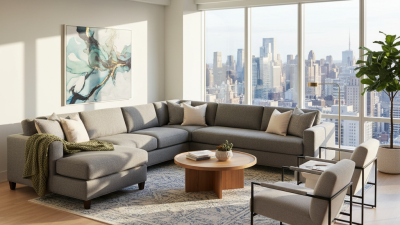
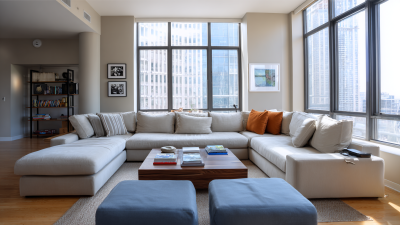
When designing a living room, many homeowners face a significant choice: the sectional sofa. According to Lisa Adams, a renowned interior designer, "A sectional sofa is not just a piece of furniture; it’s an opportunity for style and comfort." This statement captures the essence of why a sectional sofa can elevate your living space. Its unique design allows for versatile seating arrangements, accommodating both intimate gatherings and larger family events.
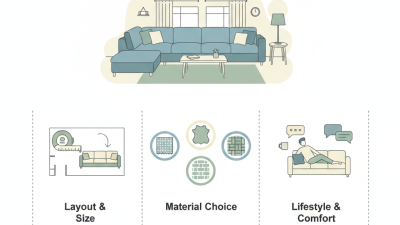
Sectional sofas offer ample seating without overwhelming a room. They can fit snugly in corners or stand alone as a centerpiece. However, selecting the right size and shape is critical. A common mistake is choosing a sectional that is too large, disrupting the room's flow. One must consider the dimensions of both the sofa and the living space it will inhabit. So often, we forget this crucial aspect.
Moreover, sectional sofas come in various styles, materials, and colors. This diversity allows homeowners to express their personal taste. However, this variety also presents challenges. A broad selection can lead to decision fatigue. It’s essential to weigh practicality against aesthetics. Ultimately, this investment should enhance comfort while reflecting your style.
Benefits of Sectional Sofas for Living Room Comfort and Style
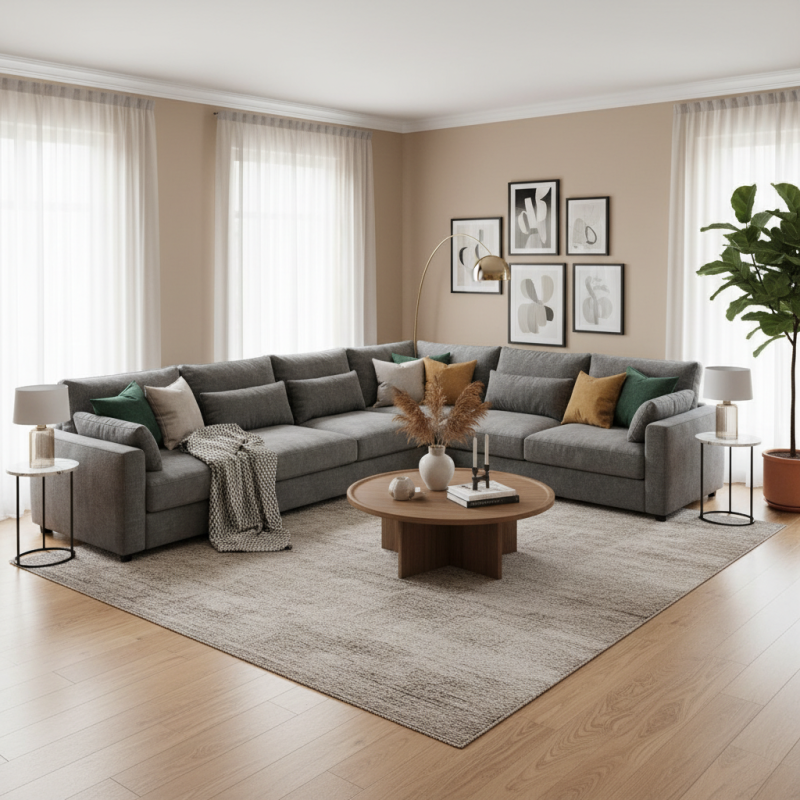
A sectional sofa can transform your living room. They offer generous seating, perfect for families and gatherings. Research indicates that over 70% of homes have a designated gathering space. Sectionals cater to this need by providing ample room for everyone.
Comfort is key. Many sectional sofas are designed with plush cushions, ranging in materials from foam to down. A study found that 65% of users prioritize comfort in their furniture choices. The versatility of sectionals also allows you to configure them based on your space. While one layout might suit a small apartment, another can accommodate a spacious living room.
Style matters too. Sectionals come in various designs, from modern to classic. They can be focal points in your decor, adding character. However, some may find it challenging to match colors or patterns with existing décor. Balancing style and comfort can lead to decision fatigue. This highlights the importance of thoughtful selection when investing in living room furniture.
Why Choose a Sectional Sofa for Your Living Room Design? - Benefits of Sectional Sofas for Living Room Comfort and Style
| Dimension |
Value |
| Seating Capacity |
5-7 people |
| Average Length |
90-120 inches |
| Fabric Options |
Leather, Fabric, Microfiber |
| Style Variations |
Modern, Traditional, Contemporary |
| Storage Options |
Hidden compartments, Ottomans |
| Customization |
Modular configurations available |
| Comfort Level |
High - Plush cushions |
| Ease of Arrangement |
Flexible layout options |
Versatility: How Sectional Sofas Adapt to Different Spaces
When it comes to living room design, sectional sofas shine in versatility. Their customizable shape allows them to fit different room layouts seamlessly. Whether in a cozy studio apartment or a spacious living room, sectionals can adapt. You can arrange them to form an L-shape, U-shape, or even separate them into individual seating pieces. This flexibility makes them ideal for various activities, from entertaining guests to enjoying a quiet evening.
A sectional sofa can create a focal point in your room. Not only does it provide ample seating, but it also influences the flow of the space. For example, a large sectional can provide a sense of intimacy in larger rooms. However, selecting the right size is crucial. A too-large sectional can overwhelm smaller spaces, while a small one may feel lost in a vast area. It’s essential to measure carefully. Reflect on the overall room layout before deciding.
Color and fabric choices further enhance a sectional’s adaptability. They can blend into your design scheme or stand out as a statement piece. Soft fabrics invite relaxation, while bold colors can energize the room. Consider your lifestyle when selecting materials. They need to withstand wear and tear. Ultimately, a sectional can be the versatile centerpiece of your living space if chosen thoughtfully.
Benefits of Choosing a Sectional Sofa
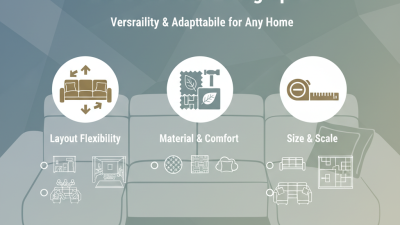
This chart illustrates the versatility of sectional sofas in various living room designs, highlighting their adaptability to different space requirements.
Design Considerations: Choosing the Right Shape and Size
When selecting a sectional sofa, shape and size are key factors to consider. The shape of your sofa can dramatically influence the room’s layout and flow. A U-shape is ideal for larger spaces and encourages conversation. In contrast, a L-shape fits snugly into corners, making it perfect for smaller rooms.
Size is equally important. Measure your space carefully to ensure the sectional doesn’t overwhelm the room. A sofa that’s too large can make a living area feel cramped. Conversely, a small sofa may look lost in a vast space. Aim for a balance that complements your other furnishings.
Tips: Consider the height of your sofa. Low-profile sections can create an airy feel, while tall backs provide a sense of enclosure. Use a rug to define the seating area, anchoring the sofa within the room. Remember, comfort is vital. Don't settle for a stunning design if it sacrifices functionality. Be open to experimenting with different arrangements until you find what feels right.
Material and Fabric Options for Sectional Sofas
When selecting a sectional sofa, material and fabric options play a crucial role in both comfort and durability. According to the American Home Furnishings Alliance, about 70% of consumers prioritize fabric quality when purchasing furniture. This highlights the importance of choosing the right materials for your living space.
Common materials include leather, microfiber, and cotton blends. Leather offers a classic look and ease of cleaning, while microfiber is resistant to stains and provides a soft touch. However, leather can be prone to scratches, and microfiber may require regular maintenance to preserve its texture. Fabrics like cotton blends offer a wide range of colors and patterns but may not withstand heavy use.
Data from the Furniture Today study shows that 35% of sectional sofa buyers consider durability before style. This suggests a clear preference for long-lasting options. Several fabric samples can be tested to evaluate their feel and appearance. Comfort is subjective; what's soft to one may not be durable to another. Balancing these aspects can prove challenging for many buyers.
Maximizing Functionality: Storage and Layout Solutions with Sectionals
Sectional sofas excel in maximizing functionality for living room designs. They are versatile pieces. Each sectional can adapt to different spaces. Some configurations allow for extra storage, a practical solution for smaller rooms. Drawers or compartments within the sofa can store blankets and magazines. This reduces clutter, creating a more organized atmosphere.
Layout solutions become easier with sectionals. They can anchor a room, providing a natural flow for foot traffic. U-shaped or L-shaped designs create intimate conversation zones. This transforms your living area into a more inviting space. However, planning is critical. Misjudging the size can lead to overcrowding or an awkward layout.
Functionality should balance comfort. It’s easy to prioritize style over usability. Consider the people who will use the space often. Ensure that everyone has enough seating and comfort. Mixing cushions can add personality. Yet, they need to be chosen wisely to avoid a chaotic look. This invites an opportunity to rethink current arrangements.