How to Choose the Best Clad Wood Windows for Your Home?
When it comes to enhancing your home’s aesthetics and energy efficiency, Clad Wood Windows offer a perfect balance. With growing consumer interest in sustainable building materials, the demand for these windows has surged. According to the American Architectural Manufacturers Association, clad wood windows have seen a 12% increase in popularity over the past five years. Their unique combination of natural wood interiors and durable exterior cladding makes them an appealing choice for homeowners.
Choosing the right clad wood windows requires careful consideration. Factors like style, insulation properties, and maintenance should be evaluated. A study by the National Fenestration Rating Council indicates that energy-efficient clad wood windows can reduce utility costs by 20% to 30%. However, many consumers overlook this crucial aspect. It’s essential to balance aesthetics with practicality to achieve the best results.
Cost can also be a significant factor in your decision. While clad wood windows tend to be pricier than vinyl alternatives, their longevity and performance can justify the investment. This complex decision-making process can be overwhelming. Engaging with industry professionals and considering multiple perspectives can help navigate these challenges for an informed choice.
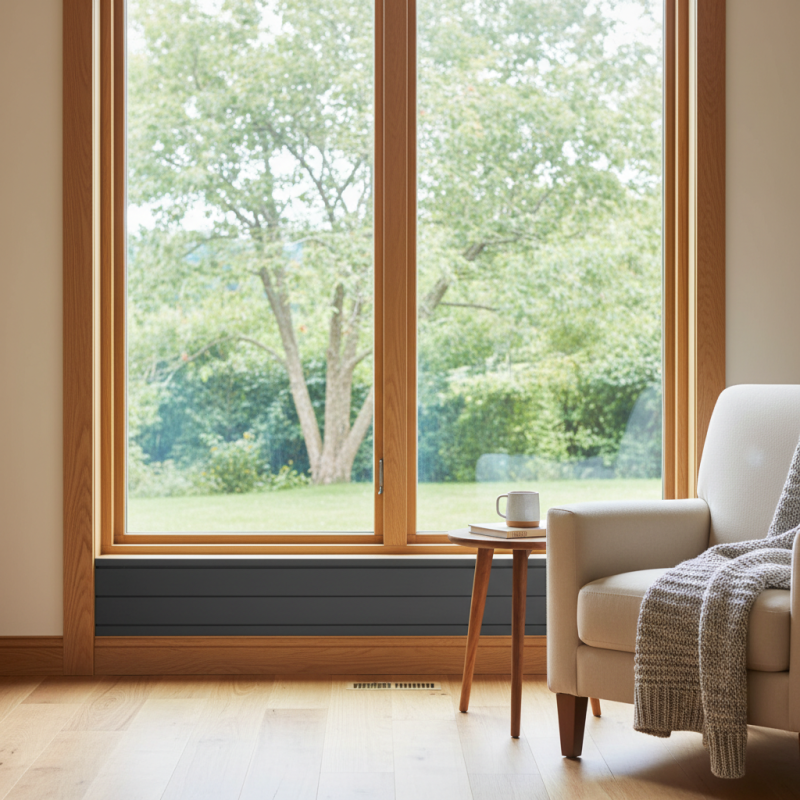
Understanding Clad Wood Windows: Key Features and Benefits
Clad wood windows offer a superior blend of beauty and functionality. Their structure combines a solid wood core with protective cladding, often made from aluminum or vinyl. This design not only enhances the aesthetic appeal of your home but also boosts energy efficiency. The exterior cladding protects against weather and reduces maintenance demands. Homeowners can enjoy the warmth of wood on the inside while benefiting from the durability of the cladding outside.
The choice of clad wood windows brings several benefits. They resist fading and damage due to moisture and UV exposure. A range of colors and finishes allows for customization to match any exterior style. These windows can significantly improve home insulation, reducing heating and cooling costs. Despite their advantages, some may find the initial cost higher than traditional windows. It’s essential to evaluate long-term savings versus upfront investment.
Some homeowners might feel overwhelmed by the options available. Take time to research and consult professionals for guidance. Not every option will suit every home. Understanding your climate and architectural style is crucial. Investing in quality clad wood windows can enhance your home’s curb appeal, yet it demands thoughtful selection.
Evaluating Different Cladding Materials for Durability and Aesthetics
Choosing the right cladding materials for wood windows is crucial for both durability and aesthetics. Different materials offer unique benefits and challenges. For instance, aluminum cladding is known for its longevity and resistance to corrosion. It's a popular choice in coastal areas where moisture is a concern. On the other hand, vinyl cladding is low maintenance and provides excellent insulation. However, it may not match the natural look of wood as closely as other options.
Wood cladding is another option, offering warmth and charm. Yet, it requires regular maintenance to prevent rot. This is where personal preference plays a role. Some homeowners appreciate the aging process of wood, while others find it cumbersome. Fiberglass is gaining popularity due to its strength and energy efficiency. Unlike wood, it doesn’t warp or crack easily. However, it can be pricier and may lack the traditional appeal of natural materials.
When making a decision, homeowners should evaluate their local climate, aesthetic preferences, and willingness to maintain their windows. Each material has its pros and cons. It's essential to think long-term, considering how each choice aligns with the desired look and performance. Small details make a significant difference, so weigh the options carefully. It's easy to overlook these factors, but they can greatly impact your satisfaction with your windows.
Assessing Energy Efficiency Ratings for Clad Wood Windows
When selecting clad wood windows, energy efficiency is a crucial aspect. These windows can significantly impact your home’s energy consumption. According to the U.S. Department of Energy, window upgrades can save homeowners an average of 12% on their energy bills. Clad wood windows often have dual-pane glass, which enhances insulation and decreases energy loss. Look for products with low U-factor ratings, as they indicate better heat retention.
Tips: Always check for Energy Star certification. Windows with this label meet strict energy efficiency guidelines, ensuring you're making a smart investment.
Additionally, consider the Solar Heat Gain Coefficient (SHGC). A lower SHGC means less heat enters your home, beneficial in warmer climates. For homes in colder areas, a higher SHGC can assist in passive solar heating. However, balancing SHGC and U-factor is essential to meet your needs effectively. Not all clad wood windows offer the best values. Research and compare products thoroughly to understand their long-term energy savings.
Tips: Seek expert opinions when assessing performance ratings. Industry professionals can guide you to choices that align with your home’s requirements and climate.
How to Choose the Best Clad Wood Windows for Your Home? - Assessing Energy Efficiency Ratings for Clad Wood Windows
| Window Type | U-Factor (Lower is better) | Solar Heat Gain Coefficient | Energy Star Certified | Price Range |
| Double-Hung | 0.30 | 0.25 | Yes | $300 - $600 |
| Casement | 0.26 | 0.22 | Yes | $400 - $800 |
| Sliding | 0.32 | 0.27 | No | $350 - $700 |
| Picture | 0.25 | 0.18 | Yes | $500 - $900 |
| Awning | 0.24 | 0.19 | Yes | $350 - $750 |
How to Select the Right Style and Design for Your Home
When selecting the right style and design for clad wood windows, consider your home's overall aesthetic. It's crucial to blend new windows with existing architecture. According to the American Institute of Architects, choosing historically compatible designs can increase your home’s value by 10% to 15%.
Material finishes play a significant role in appearance. Look at options like smooth or textured grain wood, which offer distinct visual appeals. Different colors can also harmonize with your home’s palette. Industry reports suggest that color can impact mood and energy efficiency; lighter shades may help reflect heat in warm climates.
Tips for Selection: Always check the energy ratings of windows. Products with a higher U-value can reduce heating costs. Look for styles that maximize natural light but minimize loss. Remember, windows are not just functional; they shape your living environment. Every choice should reflect your personal style and practical needs.
Budgeting for Clad Wood Windows: Price Considerations and Value
When budgeting for clad wood windows, understanding price variations is crucial. The cost of clad wood windows can vary significantly based on materials and design. High-quality options often come with a higher price tag. Investing in superior materials can ensure better durability and performance. However, it’s essential to balance quality with budget constraints. Spending excessively on windows may not always yield proportional benefits.
Consider the long-term value these windows bring. Energy efficiency can lead to lower utility bills and savings over time. Therefore, opting for models with superior insulation may justify a higher upfront cost. In contrast, less expensive options might not provide the same energy savings. Remember to evaluate your home's specific needs.
Installation costs can also impact the total expense. Hiring a professional is advisable for the best results. However, this could influence your overall budget. Some homeowners prefer to tackle this task themselves. This decision can save money but may require a steep learning curve. Reflecting on your skills and resources is key. Ultimately, making informed choices about budget and value will lead to a worthwhile investment in your home.
