How to Choose the Best Kitchen Table for Your Home?
Choosing the right kitchen table is crucial for your home’s ambiance. According to a report from the National Kitchen and Bath Association, 70% of homeowners believe a well-chosen kitchen table enhances their dining experience. An industry expert, Martha Ziegler, noted, “The kitchen table is the heart of the home.” Her insight emphasizes its role beyond mere functionality.
A perfect kitchen table complements your style and space. It should reflect your taste while being practical. Consider the materials, size, and shape that fit your kitchen layout. For small spaces, a round table can enhance flow, while larger areas may benefit from a rectangular table that invites gatherings.
However, it's easy to overlook personal needs. Do you often host guests? Do you have children who need space for homework? Reflect on these aspects to avoid common pitfalls. A kitchen table isn’t just a piece of furniture; it’s where memories are made. Thus, take time to choose one that truly resonates with your lifestyle.
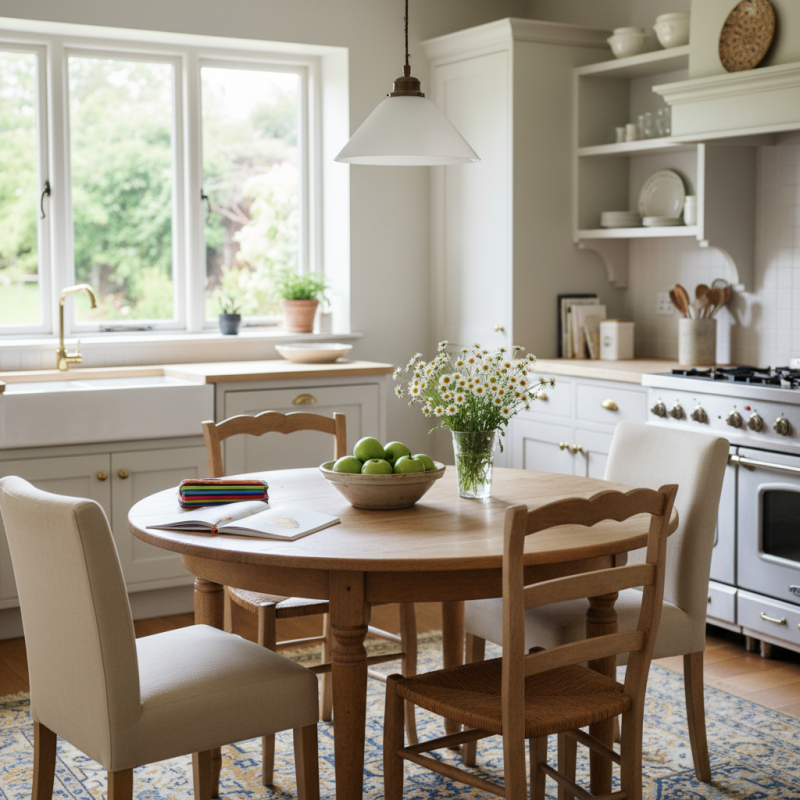
Understanding Your Space: Measuring for the Perfect Kitchen Table
When selecting a kitchen table, understanding your space is crucial. A well-measured table serves as a centerpiece of functionality and aesthetics. According to a recent survey by the National Kitchen and Bath Association, 70% of homeowners prioritize dining space in kitchen design. This statistic highlights the importance of measuring accurately before making a purchase.
To find the perfect dimensions, consider both the table and your available space. A standard dining table measures 28 to 30 inches in height. Allow for at least 36 inches of clearance around the table for easy access. This can greatly enhance movement, especially in a busy kitchen. You might find that a round table works better in tighter spaces, promoting flow. Research reveals that round tables can encourage conversation, making them a popular choice. Yet, they may provide less surface area for larger gatherings.
It’s worth noting that visualizing your table's placement can be challenging. Using painter's tape to outline the dimensions on your floor may help clarify the fit. Be mindful of door swings and appliance proximity, as they can impact flow. Many overlook these nuances until it’s too late. Reflect on your needs—do you often entertain, or is it a more intimate space? Adjusting your vision can lead to a more functional and inviting kitchen.
Choosing the Right Material: Wood, Metal, Glass, and More
Choosing the right material for your kitchen table is crucial. Each option has unique advantages and drawbacks.
Wood, for example, is timeless and offers warmth. According to a 2022 survey by the Home Furniture Association, 45% of buyers prefer wooden tables for their aesthetic appeal. However, wood can be susceptible to scratches and water damage, which is important to consider.
Metal tables are another popular choice. They are durable and easy to clean. Many modern kitchens favor this material for its sleek look. A report from the International Furniture Association noted that 30% of new homeowners opt for metal due to its industrial charm. Yet, metal can feel cold and may not provide the same comfort as wood.
Glass tables inject brightness into a room. They create an illusion of space, making them ideal for smaller kitchens. The National Kitchen and Bath Association found that glass tops have grown in popularity by 15% over the last three years. Still, glass requires careful maintenance to avoid fingerprints and chips. Each material, therefore, requires thoughtful consideration based on your lifestyle and preferences.
Selecting the Ideal Shape: Round, Square, Rectangular, or Oval
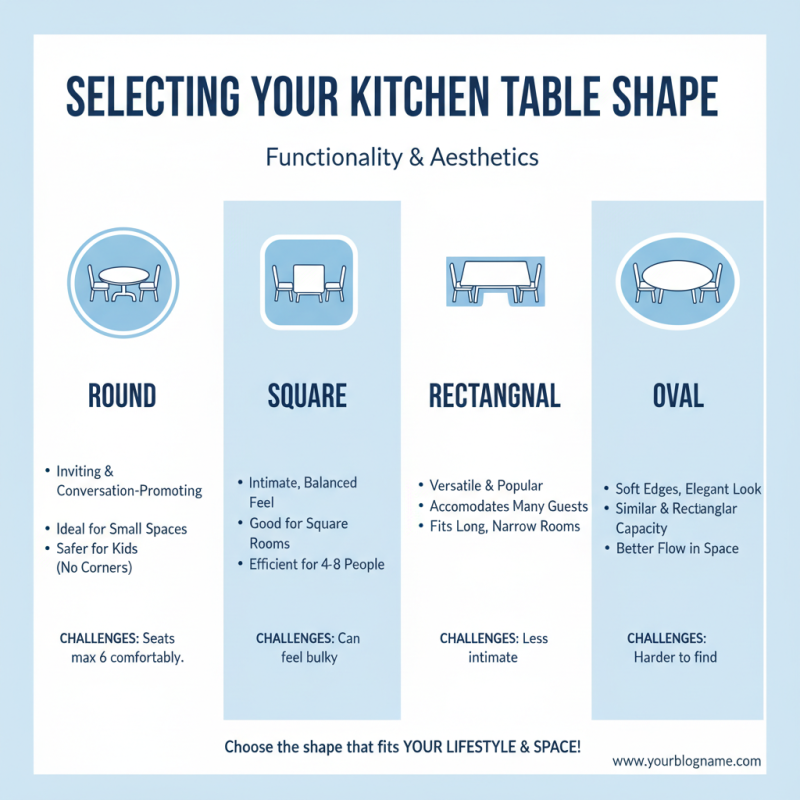
Selecting the ideal shape for your kitchen table is crucial for both functionality and aesthetics. Round tables create an inviting atmosphere and promote conversation. They are particularly well-suited for smaller spaces. With no sharp corners, they also provide a safer option for homes with children. However, you may find it challenging to fit more than six people around a round table comfortably.
Square tables offer symmetry and versatility. They work well in both compact and spacious areas. A square table can easily transform into a larger rectangle by adding leaves, which is useful for gatherings. Yet, they can feel restrictive if the room is too small, hindering movement and flow.
Rectangular tables excel in larger dining areas. They provide ample seating and are great for family gatherings. Their linear shape allows for multiple configurations, depending on your needs. However, they can dominate a space and make it feel less cozy. Oval tables blend the best of round and rectangular designs. They add elegance while maximizing seating without the harsh lines of a rectangular shape. Consider your lifestyle and space to ensure a perfect fit for your home.
Identifying Your Style: Matching the Table to Your Home Decor
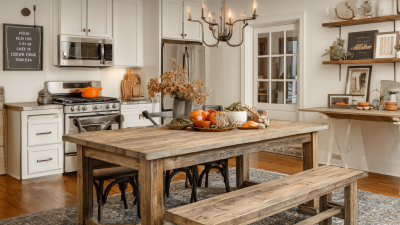
When selecting a kitchen table, the style is key. Consider your home decor. If your space is modern, a sleek, minimalistic design may be fitting. On the other hand, a rustic wooden table can enhance a cozy, farmhouse aesthetic. Look around your home. What colors and materials are predominant? Match your table to create harmony.
Pay attention to the size as well. A large, imposing table can dominate a small space, making it feel cramped. Conversely, a tiny table may look lost in a vast open area. Think practical. How many people will use it regularly? This factor can influence your choice significantly.
Reflect on the function of the table. Is it just for meals, or will it serve multiple purposes? A table with leaves for extension can be versatile, fitting both small family dinners and larger gatherings. Remember, it’s okay to question your choices. A design that doesn’t seem to fit perfectly can still work with the right decorative accents. Aim for balance in shape, color, and function; a little imperfection can add character.
Kitchen Table Styles and Their Popularity
Considering Functionality: Size, Extensibility, and Comfort Needs
Selecting the right kitchen table involves careful consideration of functionality. Size is crucial. According to the National Kitchen and Bath Association, 82% of families prefer tables that seat six. A table too big can overwhelm a small space, while a table too small may leave guests cramped. Measure your kitchen to find the ideal dimensions. A rectangular table could be a better fit for narrow spaces, while a round table might be more suitable for smaller, square areas.
Extensibility is another key factor. A table that can grow with your needs is a smart investment. A report from the Furniture Today indicates that extendable tables have become increasingly popular, with a 30% increase in sales. This feature allows flexibility for gatherings. Consider user comfort too. The height of the table should align with the chairs for an optimal dining experience. Aim for a height between 28 to 30 inches.
Lastly, reflect on your lifestyle. If you frequently host guests, an extensible table is wise. However, if your kitchen is only for intimate meals, a smaller, cozy table may suffice. Balance your preferences with practical needs. The right choice enhances both your kitchen’s look and functionality.