How to Choose Modern Furniture for Your Home or Office?
Choosing modern furniture is a significant decision for both homes and offices. Recent industry reports suggest that the global furniture market is expected to grow significantly, reaching approximately $650 billion by 2027. This growth reflects the increasing demand for stylish and functional furniture that meets contemporary needs.
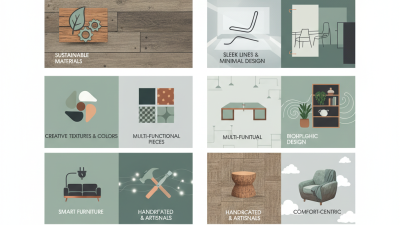
When selecting modern furniture, consider your space's aesthetics and functionality. Modern furniture emphasizes clean lines and minimalist designs. According to a survey by the American Society of Interior Designers, 70% of designers emphasize a need for sustainable materials. This trend shows a shift towards eco-friendly options in modern furniture.
However, not all modern furniture is created equal. Some pieces may prioritize style over comfort or usability. Carefully evaluate the quality and craftsmanship of each item. This approach ensures that your choices reflect both your taste and the practical needs of your environment. Ultimately, the right modern furniture can elevate your space while maintaining a balance between beauty and functionality.
Understanding Modern Furniture Styles and Aesthetics
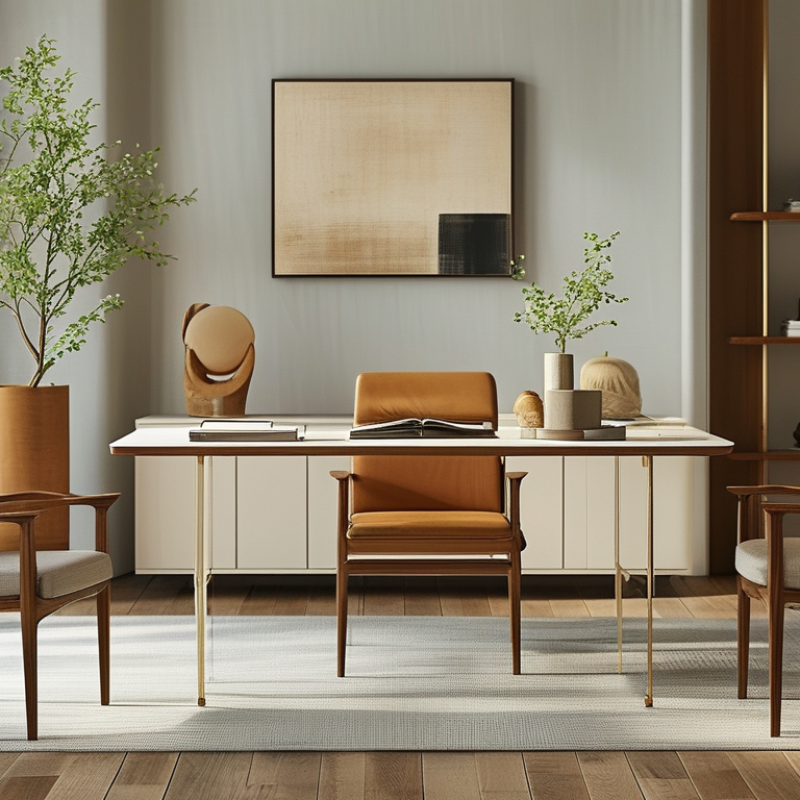
Modern furniture styles blend function and aesthetics seamlessly. When choosing, consider minimalist and mid-century modern designs. These styles embody clean lines and functional forms. They create a calming atmosphere, ideal for home or office settings.
Minimalist design focuses on simplicity, using fewer elements. A monochromatic color scheme often enhances this style. Materials like glass, metal, and light woods are prevalent, adding a sleek touch. However, minimalism can feel cold if not balanced with warm textiles or personal elements.
Mid-century modern furniture, on the other hand, embraces vibrant colors and organic shapes. It invites personality into the space. The mix of retro and contemporary can create an energetic ambiance. Yet, it can also be overwhelming if overused. Mixing styles thoughtfully is essential for a harmonious environment. Always reflect on what resonates with you personally.
Identifying the Functionality Needs of Your Space
When choosing modern furniture, it’s crucial to assess the functionality needs of your space. Each room serves a unique purpose. For instance, a home office requires a different setup than a living room. Think about how you use each area. A desk needs to support work tasks but shouldn’t overwhelm the space. Choosing multi-functional pieces can maximize utility without sacrificing style.
Consider the flow of movement within your space. Furniture should enhance, not obstruct. Open spaces often benefit from lighter, minimalist designs. Conversely, a cozy den might feel more inviting with plush, heavier items. Reflect on comfort and usability. If a chair is stylish but uncomfortable, it might end up gathering dust in the corner. Your choices should foster both aesthetics and practicality.
Balance is key when selecting furniture. Be mindful of proportion and scale. Large items can dominate a small room. In contrast, delicate pieces may look lost in a vast area. Think about how you might rearrange things over time. Furniture that adapts to changing needs is a thoughtful investment. Embrace imperfections too; a slightly outdated design can bring character to a modern space.
Choosing the Right Materials and Finishes for Durability
When selecting modern furniture, the choice of materials and finishes plays a crucial role in durability. High-quality materials not only enhance aesthetics but also ensure longevity. According to a report by the Furniture Today, approximately 80% of consumers prioritize durability when purchasing furniture for their homes or offices. This statistic underscores the importance of material selection in the modern furniture market.
Many designers recommend using hardwood, metal, and glass for their combination of strength and style. For instance, hardwoods like oak and maple boast natural resistance to wear and tear. In contrast, softwoods may dent or scratch easily. Metal frames can provide robust support, while glass offers a sleek finish that is easy to clean. However, it’s vital to be cautious with finishes. Some chemicals used in varnishes or coatings can deteriorate over time, affecting the piece's overall integrity.
Unexpectedly, many consumers overlook the impact of proper maintenance. Regular cleaning and conditioning can significantly prolong the life of furniture. A survey indicated that over 55% of respondents did not regularly maintain their furniture, leading to premature wear. It’s essential to adopt a proactive approach to ensure that your furniture remains both beautiful and functional for years to come.
How to Choose Modern Furniture for Your Home or Office? - Choosing the Right Materials and Finishes for Durability
| Material | Durability | Maintenance | Aesthetic Appeal |
|---|---|---|---|
| Solid Wood | High | Moderate, requires regular polishing | Warm and classic |
| Plywood | Moderate | Easy, just wipe with a damp cloth | Versatile and modern |
| Metal | Very High | Low, just clean with a damp cloth | Sleek and industrial |
| Glass | High | Requires regular cleaning to avoid smudges | Elegant and modern |
| Fabric (e.g., upholstery) | Variable | May need professional cleaning | Soft and cozy |
Considering Size, Scale, and Proportions of Furniture
Choosing the right furniture for your space involves careful consideration of size, scale, and proportions. An industry report from the American Institute of Architects emphasizes that 70% of homeowners regret furniture choices that don’t fit well in their living areas. This highlights the importance of measuring your space accurately before selecting pieces. A common mistake is underestimating the dimensions of furniture in relation to room size. For instance, a large sectional sofa can overwhelm a small living room, making it feel cramped.
Understanding scale is crucial. Furniture should complement the room's size and ceiling height. According to a recent study by the National Furniture Retailers Association, 55% of consumers prioritize scale when purchasing furniture. Large items in a small office can disrupt workflow and hinder movement. Conversely, tiny furniture in a vast room often looks lost and ineffective.
Proportions matter as well. Items should align visually and functionally with one another. For example, a low-profile coffee table paired with tall armchairs can create an unbalanced aesthetic. Many designers suggest that the ideal ratio for coffee table height is about two-thirds of the sofa height. This is often overlooked but can significantly impact the overall design. Understanding these elements ensures that your space feels cohesive and functional.
Budgeting and Planning for Furniture Purchases
Budgeting for furniture can feel daunting. A recent survey by the American Institute of Architects revealed that 37% of homeowners struggle with accurately estimating their budget for interior design. It’s crucial to prioritize expenses in your home or office furnishing journey. List essential items first, such as seating and desks. Non-essential elements, like decorative pieces, can wait.
Consider your space layout. Understanding the measurements can ensure items fit harmoniously. Many experts suggest allocating 20-30% of your total budget to quality, versatile furnishings. This investment can lead to a long-lasting aesthetic that resonates with your style while maintaining functionality. But remember that trends can fade, and personal taste should be at the forefront.
When exploring options, think about how much you're willing to spend on each piece. It’s beneficial to track potential costs. Some people fall into the trap of overspending on one item while skimping on another. Reflect on your choices and adjust if necessary. If you need to compromise, prioritize comfort over aesthetics. Make decisions that reflect your values and preferences to create an inviting environment.
Related Posts
-
Top 10 Modern Furniture Trends You Need to Know?
-

2026 Best Solid Wood Dining Table Options for Every Home?
-
2026 Best Small Dining Table Options for Your Home Design Needs?
-
10 Essential Tips for Choosing the Perfect Curved Sofa for Your Home
-
How to Choose the Perfect Round Dining Table for Your Home?
-
Why Choose a Modular Sectional Sofa for Your Living Room Style and Comfort