Top Tips for Choosing the Perfect Dining Table for Your Home
Choosing the perfect dining table for your home is a decision that goes beyond mere functionality; it represents a central piece of your living space where family and friends gather to share meals and create lasting memories. The dining table serves as a showcase for your personal style while also meeting the practical needs of your household. With an overwhelming variety of styles, sizes, and materials available, selecting the ideal dining table can feel daunting.
In this guide, we aim to provide you with top tips to simplify the selection process. From understanding the space you have available to considering the number of people you typically entertain, there are key factors that will lead you to your perfect dining table. By thoughtfully evaluating your lifestyle and preferences, you will be well on your way to finding a table that not only complements your home decor but also enhances your dining experience. Whether you prefer a modern aesthetic or a more traditional look, this guide will help you make an informed decision that suits both your taste and your family's needs.
Factors to Consider When Choosing the Right Size Dining Table
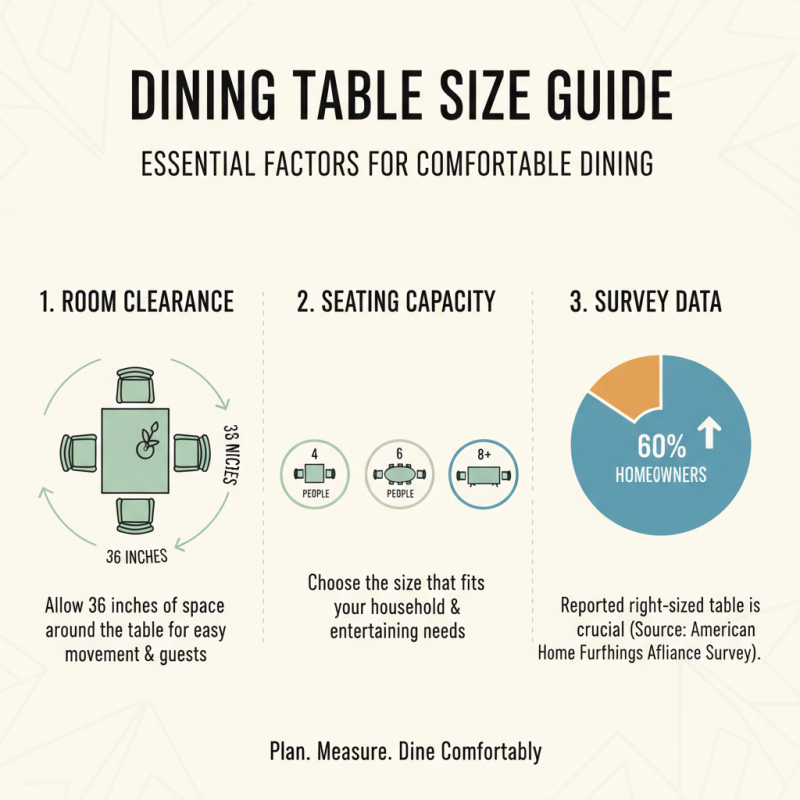
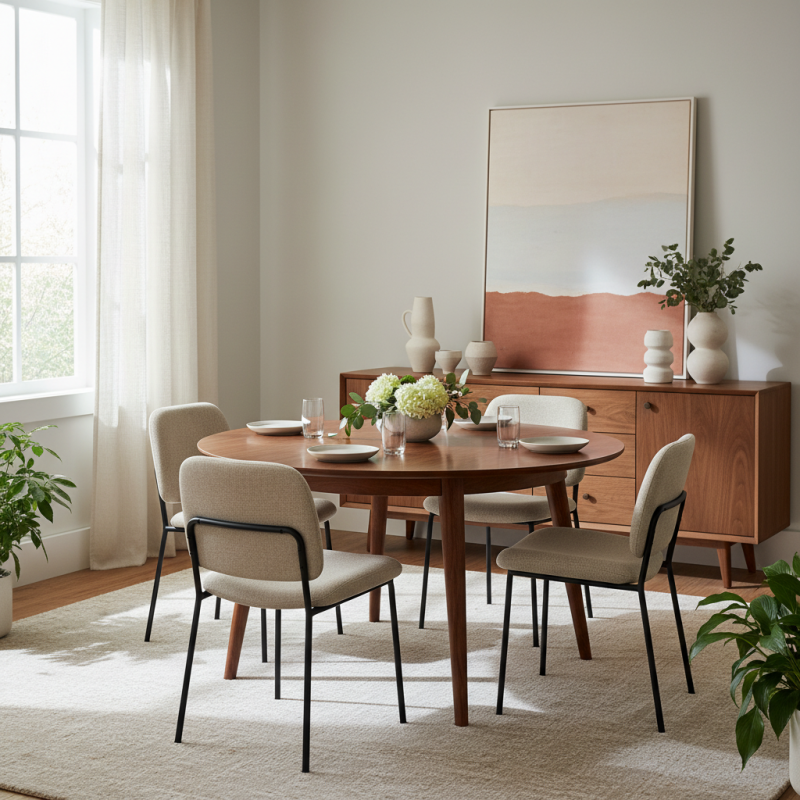
When selecting the perfect dining table, size is one of the most critical factors to consider. According to a recent survey by the American Home Furnishings Alliance, 60% of homeowners reported that finding the right size table was essential for comfortable dining. The key is to assess the space available in your dining area. Ideally, there should be at least 36 inches of clearance around the table to allow for easy movement, as well as accommodating additional guests during gatherings.
Tips for selecting the right size dining table include measuring your space carefully. Start by determining the dimensions of your dining area and allowing for high-traffic zones. For example, a rectangular table typically requires a minimum of 24 inches per person on each side, while a round table can seat 4 to 6 people comfortably. Research indicates that the average dining table width is 36-48 inches, which allows for comfortable dining without crowding your guests.
Consider your typical seating arrangements as well. If you frequently entertain large groups, opting for a longer table or a convertible option may be wise. Data from the National Kitchen and Bath Association suggests that multipurpose tables that can expand or contract in size are becoming increasingly popular, as they provide flexibility for both everyday dining and special occasions without compromising on aesthetics.
Understanding Different Dining Table Shapes and Their Impact on Space
When selecting a dining table, understanding the various shapes available can significantly influence both the aesthetics and functionality of your space. Round tables are known for their ability to foster conversation and create an intimate atmosphere, making them perfect for smaller dining areas. They also lack sharp corners, which can be a great safety feature in homes with children. However, a round table may limit the number of guests you can comfortably accommodate, so it's essential to consider your typical dining needs.
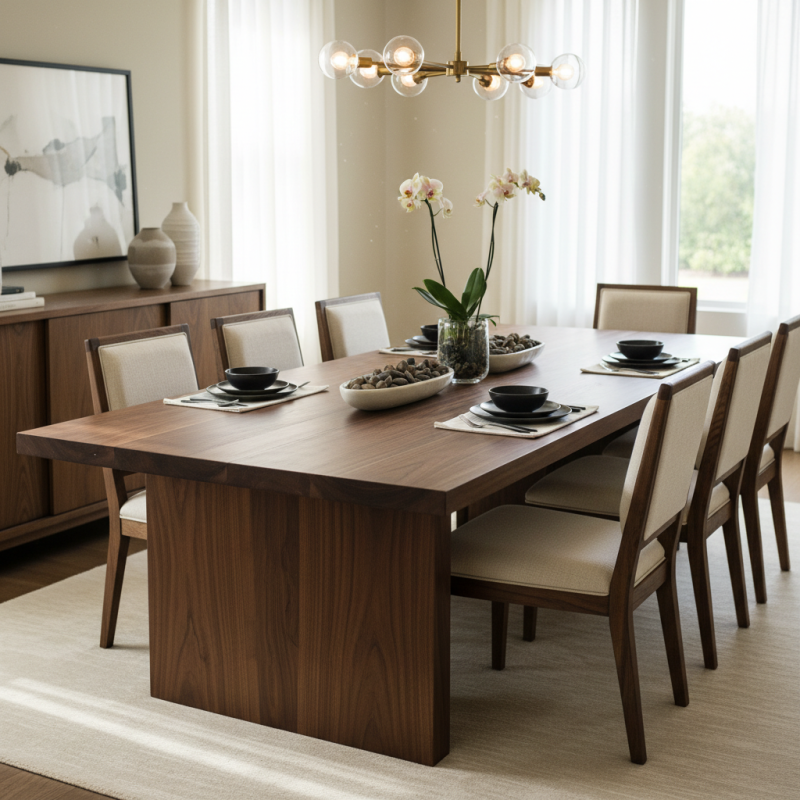
On the other hand, rectangular tables are another popular choice, especially for larger spaces. They offer versatility and can seat more people, making them ideal for family gatherings or dinner parties. Rectangular tables can be placed against a wall or in the center of the room, providing clear walkways and allowing for various seating arrangements. Additionally, square tables can also be a charming option for smaller dining spaces, striking a balance between the circular design's intimacy and the practicality of a rectangular design. Ultimately, the shape you choose will greatly depend on your room size, style preferences, and how you want to use your dining space.
Materials and Finishes: How to Select Durable Dining Tables
When selecting a dining table, the choice of materials and finishes plays a pivotal role in ensuring durability and functionality. According to a report by the Home Improvement Research Institute, around 70% of homeowners prioritize durability when investing in furniture, emphasizing the importance of selecting the right material. Solid wood, such as oak or maple, is often favored for its strength and longevity, capable of withstanding the rigors of daily use. In comparison, engineered woods, while more affordable, may not offer the same robustness. A study conducted by the National Association of Home Builders indicates that solid wood furniture can last up to 20 years when maintained properly, which makes it a wise investment for families.
In addition to wood, other materials such as metal and glass are gaining popularity due to their modern aesthetics and ease of maintenance. Metal frames provide a sleek look, are often resistant to scratches, and are ideal for contemporary settings. Glass tops, while elegant, require regular cleaning to avoid smudges and maintain their appeal. The choice of finish also significantly impacts the table's durability; for instance, polyurethane and lacquer finishes can offer a protective layer against spills and heat, prolonging the table's lifespan. A recent survey found that 65% of consumers prefer tables with finishes that are easy to clean and resistant to wear and tear, highlighting the rising demand for functional yet stylish dining solutions.
Durability of Dining Table Materials
Seating Capacity: Determining the Ideal Table for Your Family and Guests
When selecting the perfect dining table for your home, one of the most critical considerations is seating capacity. Understanding your family's size and the typical number of guests you entertain will help you choose a table that accommodates everyone comfortably. Generally, you should allow around 24 inches of space per person at the table. This ensures that guests have ample room to eat and socialize without feeling cramped.
Another useful tip is to consider the shape of the table. Rectangular tables usually fit more people comfortably, making them a great choice for larger gatherings. Round tables, on the other hand, promote intimacy and conversation, which can be ideal for smaller families or casual dinners. Think about your usual dining habits: if you frequently host larger dinner parties, opt for a size and shape that can cater to those occasions.
Don't forget to account for the layout of your dining area. Ensure that there is enough space around the table for chairs to be pulled out and for people to move around freely. Measuring the area before you shop can prevent any unpleasant surprises. By carefully considering seating capacity alongside the dimensions of your dining space, you can choose a table that not only meets your needs but enhances your home’s overall aesthetic.
Budgeting for Your Dining Table: Average Costs and Quality Expectations
When budgeting for a dining table, understanding average costs and quality expectations is crucial for making an informed decision. According to recent reports from the Furniture Today, the cost of dining tables can range significantly based on materials, craftsmanship, and brand reputation. On average, consumers can expect to spend anywhere from $300 to $1,500 for a quality dining table, with higher-end models possibly exceeding $2,500. Investment in a dining table made from solid wood often results in better longevity and aesthetic appeal, justifying the higher price point.
**Tip:** Consider the primary use of the table and the frequency of gatherings. If you entertain often, investing in a larger table that allows for seating flexibility and durability can enhance both your dining experience and the longevity of the piece.
Moreover, while shopping, it's essential to manage expectations regarding quality. Furniture Research indicates that tables priced under $500 may use composite materials, which can affect durability and appearance. Opting for mid-range options priced between $700 and $1,200 usually provides a balance between quality craftsmanship and affordability.
**Tip:** Always check for warranties and customer reviews when considering a dining table purchase, as these insights can offer valuable information about the product's durability and overall satisfaction from previous buyers.