2026 How to Choose the Perfect Small Dining Table?
Choosing the right small dining table can transform your dining experience. According to Emily Henderson, a renowned interior designer, "A small dining table can create intimacy." This highlights the potential of these tables to enhance connections among family and friends.
In 2026, the market for small dining tables offers various styles and materials. The ideal choice depends on your space and lifestyle. However, many people underestimate the table's impact. A well-chosen small dining table can make a cozy apartment feel inviting. It’s often a centerpiece in tighter spaces, reflecting your personal style.
While it’s easy to feel overwhelmed by options, consider your needs. Is your space limited? A round table may facilitate conversation. Or do you entertain often? A rectangular table can provide more seating. Remember, the perfect small dining table isn’t just about aesthetics; it’s about functionality and comfort.
Factors to Consider When Choosing a Small Dining Table Size
When selecting a small dining table, size plays a crucial role. A report from the American Furniture Manufacturers Association shows that the average size for dining tables in compact spaces is around 40-60 inches in length. This allows for a comfortable fit in apartments and small homes. However, it’s essential to measure the space you have, taking into account the surrounding area for chair movement.
Another factor is the table's height. Standard dining tables are about 28-30 inches high, but you may find variations. Counter-height tables, which are 34-36 inches tall, are gaining popularity. According to the National Kitchen & Bath Association, these tables maximize vertical space in smaller rooms, providing both functionality and style. It’s essential to ensure that your chosen table height works well with your seating options.
You might encounter a dilemma regarding table shape. Round tables can facilitate conversation in tight spaces. Rectangular tables offer more surface area for dining but can feel cramped. It’s a balancing act. Assess how often you host guests. A study from the Furniture Industry Research Association indicates that 70% of smaller households value flexibility in their dining setups. Think about how you use your space, and don't hesitate to reflect on past dining experiences to inform your choice.
Understanding Different Shapes of Small Dining Tables and Their Benefits
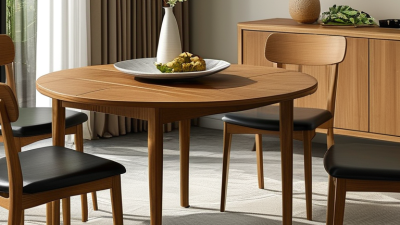
Choosing the right shape for a small dining table can significantly enhance your space. Round tables are a popular choice. They promote conversation and can easily fit into tight areas. A square table, on the other hand, creates a structured look. It offers versatility for seating arrangements.
When selecting a shape, consider the layout of your room. A rectangular table suits narrow spaces and can accommodate more people. However, it may feel constrained in smaller areas. Mixing shapes and styles can also provide uniqueness. Sometimes, an imperfect choice can lead to a surprising harmony in design.
Think about functionality. A table with extendable features offers flexibility. It can adapt from intimate dinners to larger gatherings. Keep materials in mind, too. Wood exudes warmth, while glass creates an illusion of openness. Prioritize comfort; chairs should complement the table height. Reflecting on these aspects will guide you toward the perfect selection.
Material Options for Small Dining Tables: Durability and Aesthetics
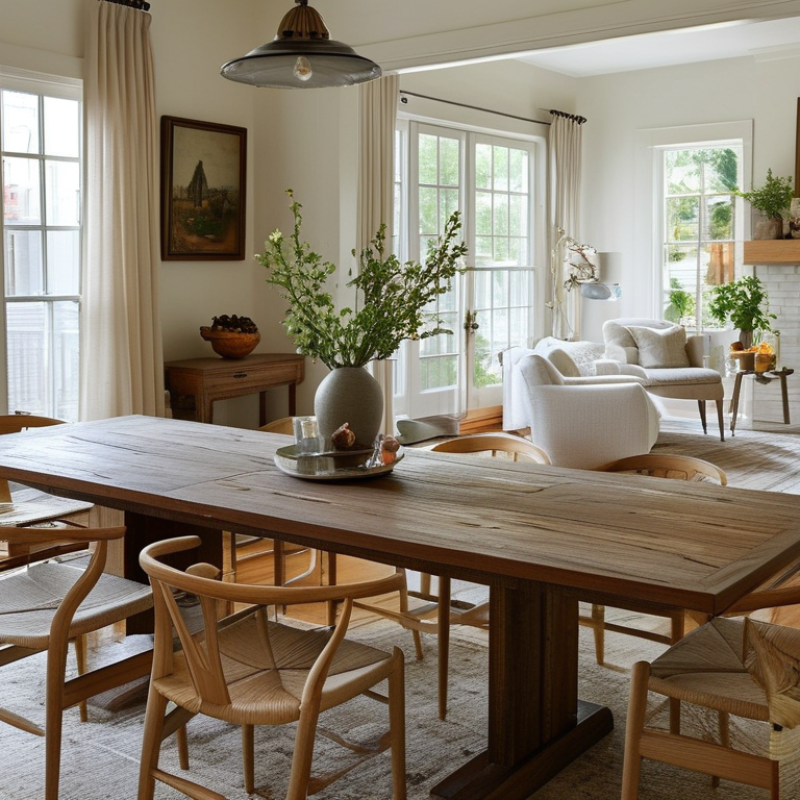
When choosing a small dining table, material plays a crucial role in both durability and aesthetics. Wood, metal, and glass are common options, each offering unique benefits. According to industry reports, solid wood tables can last decades with proper care. They provide warmth and a classic aesthetic that most interiors appreciate. However, they can be heavy and might require regular maintenance to avoid scratches and water damage.
Metal tables are gaining popularity for their modern look. They are lightweight, durable, and resistant to scratches. Metal surfaces can come in various finishes, from polished to matte, catering to diverse design preferences. Yet, they can feel cold and may not suit everyone’s taste. Glass tables offer a sleek and contemporary option. They create an illusion of space, perfect for smaller dining areas. However, they are prone to fingerprints and can be fragile if not handled carefully.
Consider the overall design of your dining area. A wooden table may clash with a minimalist style, while a glass table may work beautifully in a modern setting. Reflect on your lifestyle as well. Families with young children might prefer metal or wood for their durability. Choose a table that balances aesthetics and functionality for your needs.
The Importance of Style in Small Dining Tables: Trends and Preferences
Choosing the right small dining table involves understanding the significance of style. Trends show that modern consumers prioritize personalization in their dining spaces. According to a recent survey, 65% of consumers prefer unique designs that reflect their personality. This has led to a rise in customizable options in the market.
Various materials influence style trends. Wood evokes warmth, while glass offers a contemporary feel. Some manufacturers report that tables made from reclaimed wood are 30% more popular among eco-conscious buyers. However, this trend can sometimes overlook functionality. A beautiful table might lack space for essential dining items.
Color also plays a crucial role in selecting a small dining table. Neutral tones remain popular, but bold colors are emerging. Data shows that 45% of buyers now choose vibrant hues to make a statement. Yet, it’s important to consider how these colors fit within the overall decor. A bold table can dominate a small room, creating a visual imbalance.
Understanding these trends can help you make a more informed choice. It is valuable to keep in mind that beauty should not sacrifice practicality. The perfect small dining table should blend style with functionality.
Budgeting for Your Small Dining Table: Average Costs and Quality Insights
When budgeting for a small dining table, consider the average costs involved. A typical small dining table can range from $100 to $800. The price can vary based on materials and craftsmanship. Solid wood tables often carry a higher price tag. On the other hand, particleboard tables can be more affordable but may lack durability. Evaluate what suits your budget while considering long-term investments.
Quality is another essential factor. A low-cost table might save you money initially, but it could wear quickly. Inspect joints and finishes closely. A well-made table should feel sturdy and smooth. Pay attention to practical details like size and shape. An ideal table fits your space, providing comfort without overcrowding the area.
It's important to reflect on your lifestyle too. Frequent movers might prefer lightweight options. Large families could benefit from expandable tables. While searching, keep your priorities in mind. Balancing cost, quality, and your unique needs can lead to the best choice. Every decision influences your dining experience and home environment. Choose wisely.