10 Essential Tips for Choosing the Perfect Solid Wood Dining Table?
When you set out to find the perfect solid wood dining table, you embark on an important journey. This piece of furniture will not only host meals but also create lasting memories. The right table should reflect your style and fit your home’s ambiance.
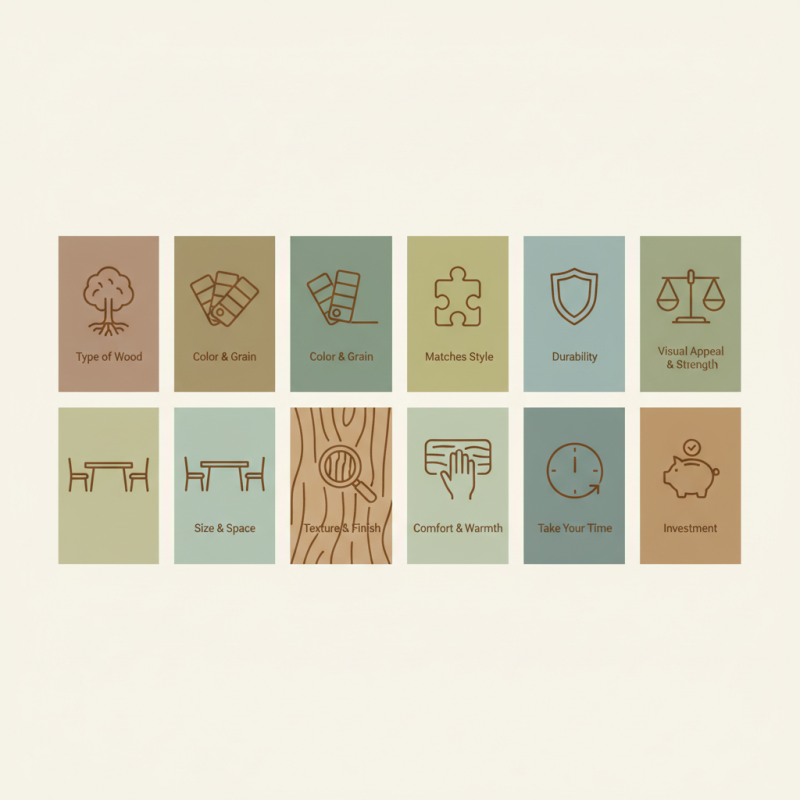
Choosing a solid wood dining table requires careful consideration. It’s essential to think about the type of wood, color, and grain patterns. You want a table that complements your space while being functional. Some tables may look beautiful but lack durability. Others may be sturdy but are not visually appealing. This balance is crucial. While you may want a statement piece, it’s vital to reflect on practical aspects such as size and maintenance.
Many buyers overlook the importance of texture and finish. The feel of the wood can influence your dining experience. A rough texture may turn away guests. A smooth finish invites touch and warmth. Take time to explore various options, and don’t rush the decision. Remember, a solid wood dining table is an investment. Ensuring it meets your needs and desires is key to your dining satisfaction.
Understanding Different Types of Solid Wood for Dining Tables
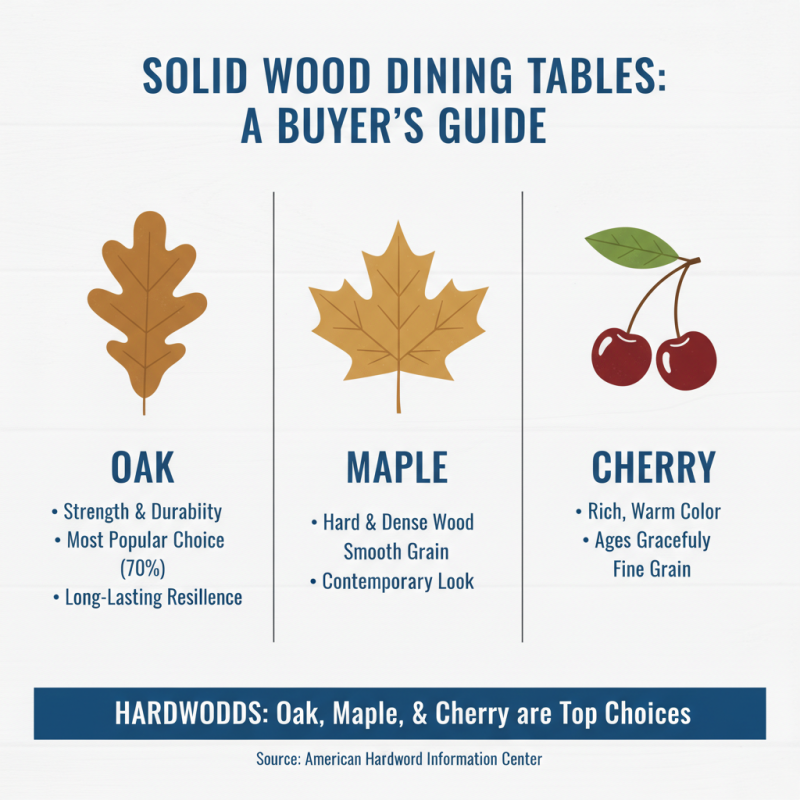
When choosing a solid wood dining table, it’s crucial to understand the types of wood available. Hardwoods such as oak, maple, and cherry are the most popular choices. Oak is known for its strength and durability, making it a long-lasting option. In fact, data from the American Hardwood Information Center states that 70% of consumers prefer oak for its resilience.
Maple offers a lighter hue and smooth grain, which appeals to modern aesthetics. Its closed grain structure resists warping, ensuring stability over time. However, it's worth noting that maple can be more susceptible to scratches. Cherry wood, on the other hand, darkens beautifully with age but may require a bit more care to maintain its appearance.
Each wood type has unique characteristics that may affect its longevity and maintenance needs. A report by the Wood Development Association indicates that while solid wood tables can last decades, users must consider humidity and temperature fluctuations. These factors can lead to cracking or warping, especially in softer woods. Selecting the right finish can protect the wood but may not eliminate all potential issues. Understanding these details helps in making an informed choice, ensuring that your dining table fits your lifestyle.
Evaluating the Size and Shape of Your Dining Space
When evaluating the size of your dining space, consider both dimensions and layout. Measure the length and width carefully. This will ensure your new table fits without crowding. You should think about how many people you typically host. A table that’s too small can feel cramped. Alternatively, one that’s too large may dominate the room, making it feel less inviting.
Next, think about the shape of your dining area. Is it rectangular, square, or perhaps round? A rectangular table works well in longer rooms, while a round table can enhance intimacy in smaller spaces. Consider flow and movement around the table too. Guests should easily pull out chairs and walk around. Visualize how you’d like the space to feel when entertaining. The right table creates a welcoming atmosphere while fitting harmoniously within your decor. Don’t rush this decision; take time to see how different sizes and shapes might change the vibe.
Considering the Style and Design of the Table
When choosing a solid wood dining table, style and design play a pivotal role. The table should complement the overall aesthetic of your home. According to a recent industry report, 72% of consumers prioritize design when purchasing furniture. Traditional, modern, or rustic designs each have unique attributes. A traditional table often showcases intricate carvings, while modern designs emphasize clean lines and minimalism. Each style can dramatically impact the room's ambiance.
The material also influences design decisions. Solid wood offers warmth and texture, yet the finish matters. For example, an unfinished table can highlight natural grain patterns, but might wear poorly over time. In contrast, a polished surface can be visually striking but may hide imperfections. It’s essential to consider how each finish aligns with your lifestyle. A more durable finish might be necessary for families with children or pets, as it can withstand daily wear and tear.
Dimensions are another critical factor. Tables that are too large can overpower a space, while those that are too small may feel inadequate. Designers suggest allowing at least 36 inches between the table and walls for comfortable movement. Thus, reflecting on these design aspects takes time and thought. Ultimately, each choice reflects personal style and functional needs.
10 Essential Tips for Choosing the Perfect Solid Wood Dining Table - Considering the Style and Design of the Table
| Tip Number |
Tip |
Considerations |
| 1 |
Determine the Size |
Ensure it fits your space and accommodates guests. |
| 2 |
Choose the Right Wood Type |
Consider durability, color, and grain patterns. |
| 3 |
Match with Existing Decor |
Ensure harmony with the rest of your furniture. |
| 4 |
Select a Functional Shape |
Consider rectangular, round, or square shapes based on your layout. |
| 5 |
Consider the Finish |
Think about stains, varnishes, and protective coatings for durability. |
| 6 |
Assess Quality and Craftsmanship |
Check for sturdy construction and attention to detail. |
| 7 |
Think About Maintenance |
Choose a table that fits your cleaning and upkeep preferences. |
| 8 |
Include Extensions if Needed |
Consider options for adding leaves for larger gatherings. |
| 9 |
Evaluate Price vs. Value |
Invest in quality that matches your budget. |
| 10 |
Seek Professional Advice |
Consult with experts for tailored recommendations. |
Assessing Durability and Maintenance Requirements
When selecting a solid wood dining table, durability is crucial. Different types of wood offer varied levels of resilience. Hardwoods like oak and maple withstand daily use better than softer woods. Consider your lifestyle. If you have children or pets, you’ll want a table that resists scratches and dents. Some woods can be more susceptible to wear than others.
Maintenance is another key factor. Regularly applying polish keeps the surface shiny. This can be a commitment. Dusting and cleaning with a damp cloth is essential. Avoid harsh chemicals that might damage the finish. Additionally, direct sunlight can fade colors over time. Think about placing it away from windows or using protective covers.
A significant aspect to consider is the grain and finish. Rustic finishes may show wear beautifully, creating charm over time. However, they can be harder to maintain. A smooth finish is easier to clean but can show scratches more clearly. It’s a balance between aesthetics and practicality. Each choice impacts how your table ages and serves you. Reflect on what fits your home best.
Durability and Maintenance Comparison of Solid Wood Types for Dining Tables
Finding the Right Finish and Color to Suit Your Decor
Choosing the right finish and color for your solid wood dining table is crucial to achieving a cohesive and inviting decor. Wood species can dramatically influence the overall appearance. For example, oak offers a more rustic look, while walnut has a sophisticated tone. According to a recent study, 45% of homeowners prefer darker stains, which provide a richer depth. However, lighter finishes can brighten a room and create a sense of space.
When selecting finishes, consider how they will interact with your existing decor. Matte finishes absorb light, making them less prone to scratches but may not be ideal for a busy family setting. A semi-gloss or high-gloss finish reflects light and can enhance vibrant colors in your decor, but it might require more maintenance. Think about your lifestyle. If you entertain often, durability should be a priority.
Tip 1: Test samples on your table before committing. Natural wood can change under different lighting.
Tip 2: Pay attention to undertones. A warm finish can clash with cooler elements in your space.
Remember, personal preference is just as important. Each choice defines the atmosphere. Be ready to evaluate and re-evaluate what works best for you.