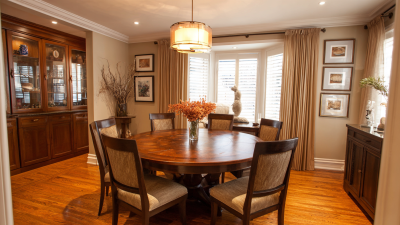
What is a Kitchen Table? Essential Guide to Choosing the Perfect One
When it comes to the heart of every home, the kitchen table stands out as a vital piece of furniture, serving not only as a dining surface but also as a hub for family gatherings, homework sessions, and social interactions. According to a study by the American Home Furnishings Alliance, nearly 70% of families consider the kitchen table as the most important piece of furniture in the home. This multifunctional piece enhances both the aesthetic and practical aspects of kitchen design, making the selection process crucial.
Choosing the perfect kitchen table involves careful consideration of various factors, including size, shape, material, and style. A report by Statista reveals that over 60% of households prefer wooden tables for their durability and timeless appeal. Additionally, trends indicate a growing preference for tables that can accommodate larger gatherings, with extended seating options becoming increasingly popular among families who prioritize togetherness. As we delve into the essential guide for selecting the ideal kitchen table, we will explore the top ten considerations that can elevate your dining experience and seamlessly integrate with your home décor.
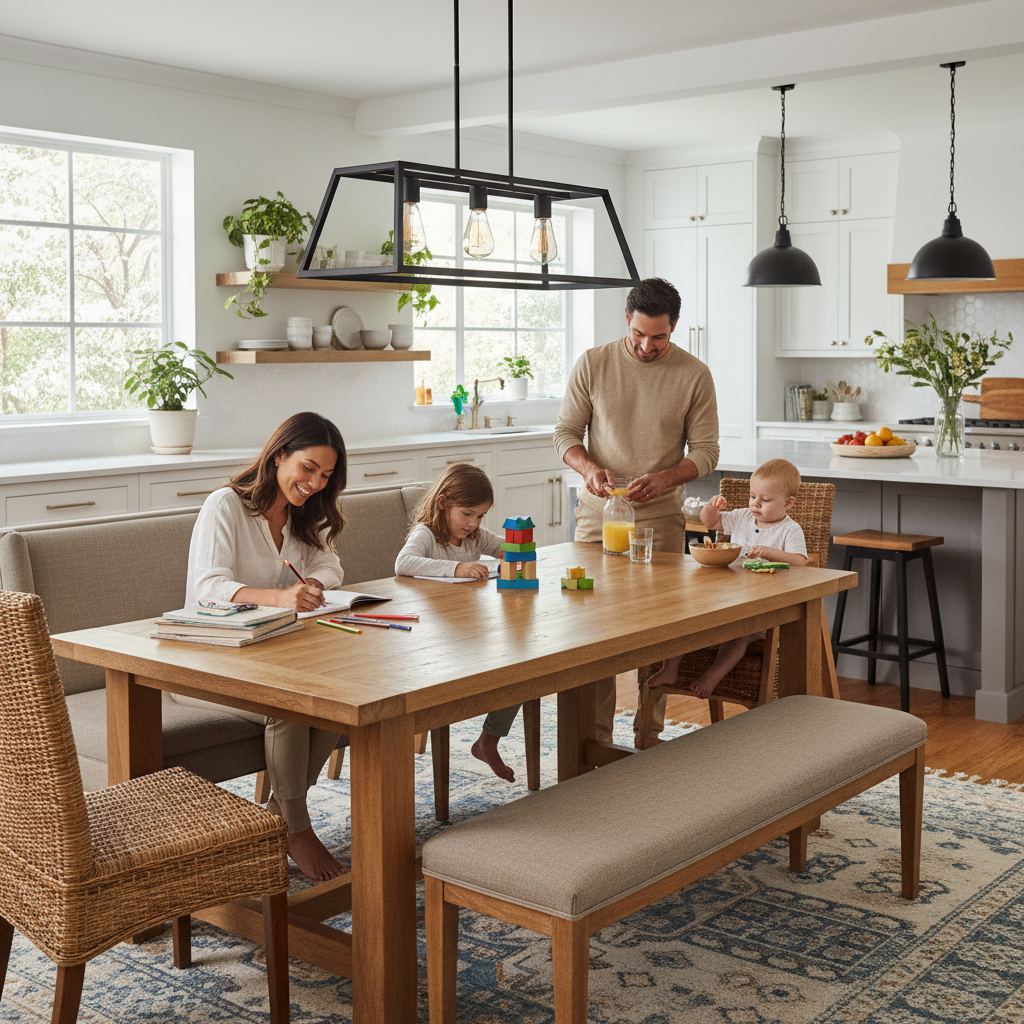
Understanding Kitchen Table Types: A Guide to Materials and Styles
When it comes to selecting the perfect kitchen table, understanding the various types and styles is essential. Kitchen tables can be categorized primarily by materials, such as wood, metal, and glass.
 Wooden tables are the traditional choice, offering warmth and durability, while metal tables provide a sleek, modern aesthetic that can withstand heavy use. Glass tables can make a space feel larger and airier, but they require more maintenance to keep them spotless.
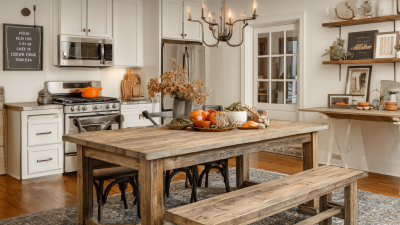
When choosing the right table for your kitchen, consider the style of your home. For a farmhouse feel, a rustic wood table with a distressed finish may be ideal. If you prefer a contemporary look, opt for a minimalist glass table paired with chic metal chairs.
Tips: Always measure your kitchen space before purchasing a table to ensure it fits comfortably without cramping the area. Additionally, consider the number of people you usually entertain; a table with extendable options can be a smart choice for those who host gatherings regularly. Lastly, don’t forget to match your table's height with the seating to ensure comfort during meals.

Key Measurements: How to Choose the Right Size for Your Space
Choosing the right size kitchen table is crucial for ensuring that your dining area is both functional and inviting. When measuring your space, consider not only the dimensions of the room but also how much room you need for movement around the table. Ideally, you should allow at least 36 inches of clearance between the table and the walls or other furniture. This space ensures that chairs can be pulled out comfortably without obstructing walkways.
Another important aspect to consider is the number of people you plan to accommodate regularly. A standard dining table typically measures around 30 inches in height, which is great for comfort. For smaller gatherings, a table measuring 60 inches long can seat about six people, while an 80-inch table can comfortably accommodate eight. Always keep in mind dining styles; a round table may work better in a cozy space, while a rectangular table can enhance a long, narrow kitchen layout. Understanding these measurements will help you select a kitchen table that fits your space and lifestyle perfectly.
Design Trends: Incorporating Kitchen Tables into Modern Home Aesthetics
Incorporating a kitchen table into modern home aesthetics involves a
harmonious blend of style, functionality, and personalization.
As open-concept living spaces become increasingly popular, the kitchen table serves not only as a dining area but also as a
social hub. This multifunctional piece can be a statement maker,
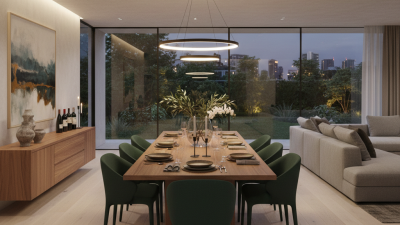
harmonizing with other elements in the kitchen and adjoining spaces. For instance, a sleek, minimalist wooden table with clean lines
can complement contemporary cabinetry, while a more rustic farmhouse table can introduce warmth and character to a
sleek, industrial-style kitchen.
Design trends today emphasize
versatility and adaptability in kitchen tables. Many homeowners are
opting for extendable tables that can easily accommodate larger gatherings, thereby adding flexibility to their spaces. Moreover,
color and material choices play a crucial role in achieving a cohesive look. A glass-top table can maximize light in a bright,
airy kitchen, while darker woods or bold colors can create striking focal points. Accessories such as vibrant table runners,
unique centerpieces, or stylish chairs can further enhance the aesthetic appeal, allowing for personal expression that ties
the kitchen into the overall home design.
Durability and Maintenance: Choosing Long-Lasting Kitchen Tables

When it comes to selecting a kitchen table, durability and maintenance are key factors to consider. A well-chosen table can withstand the wear and tear of daily use while also being easy to care for. Opt for materials known for their strength, such as hardwoods like oak or maple, which offer longevity and can withstand spills and scratches better than softer woods.
Tips: Always check the finish of the table. A good quality finish not only enhances the appearance but also provides a protective layer against stains and moisture. Dining tables with a polyurethane or lacquer finish are easier to clean and maintain. Consider incorporating placemats or table runners to protect the surface and extend its life.
Regular maintenance is essential for preserving your kitchen table’s beauty and functionality. Wipe the surface regularly with a damp cloth and avoid harsh chemicals that could damage the finish. For deeper scratches or marks, wood polish can help restore the table’s shine while offering a layer of protection. By taking these simple steps, you can ensure that your kitchen table remains a centerpiece of your home for years to come.
Budgeting for Your Kitchen Table: Average Costs and Investment Considerations
When budgeting for a kitchen table, understanding the average costs and investment considerations is crucial. According to a recent report by HomeGoods, the price of kitchen tables can range significantly based on materials, size, and design. On average, a solid wood kitchen table can cost anywhere from $500 to $1,500, while more budget-friendly options, such as particleboard tables, typically begin around $200. It is important to balance aesthetic appeal with functionality, considering how much daily use the table will receive.
Furthermore, it's worth noting that investing in a quality kitchen table can have long-term benefits. A study from The National Kitchen and Bath Association highlights that homeowners view the kitchen as a central gathering space, making the kitchen table a significant piece of furniture. Higher-grade materials not only enhance the table's longevity but also maintain its visual appeal over time. For those willing to invest, options like custom-built tables can range from $1,500 to $3,000, delivering unique designs tailored to personal style. Therefore, it’s wise to assess your budget in relation to how much value and use you expect from your kitchen table.
Budgeting for Your Kitchen Table: Average Costs and Investment Considerations