What is a leather sofa and why is it a popular choice for homes?
A leather sofa is more than just a piece of furniture. It represents elegance and comfort in modern homes. According to John Smith, a renowned expert in furniture design, “A leather sofa transforms a living space with its rich texture and lasting quality.” This material has gained popularity due to its timeless appeal.
Choosing a leather sofa offers both aesthetic and practical benefits. The durability of leather ensures that it withstands daily wear, making it an ideal choice for families. Additionally, leather sofas are easy to clean. However, some may find the initial investment high.
Yet, the long-term value and style are compelling. The luxurious feel of a leather sofa can elevate any room. Some people may question if it suits their lifestyle. In reality, its versatility fits various design themes, from classic to modern. The decision to invest in a leather sofa may need thoughtful consideration, but it often proves rewarding.
Definition and Characteristics of Leather Sofas
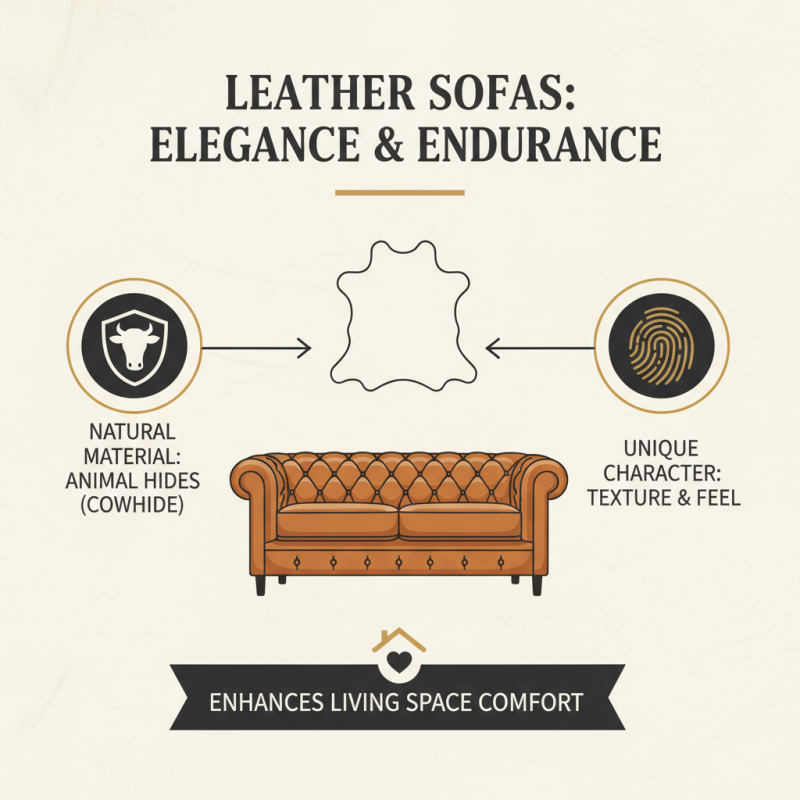
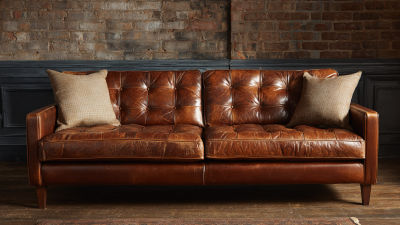
Leather sofas are elegant and durable pieces of furniture. They are made from animal hides, usually cowhide. This natural material gives each sofa a unique character. The texture and feel of leather can greatly enhance the comfort of a living space.
One notable characteristic of leather sofas is their resilience. Unlike fabric, leather can withstand wear and tear much better. This makes them a popular choice for families and pet owners. They are also easier to clean, needing only a damp cloth for maintenance. However, they can be prone to scratches and may require occasional conditioning to keep them looking fresh.
Another appealing aspect is their timeless aesthetic. A leather sofa fits well with various interior styles, from modern to traditional. However, it's essential to consider the climate of your home. In hot weather, leather can feel sticky and uncomfortable. Conversely, in colder areas, it can become quite chilly. These factors might affect the long-term satisfaction with your leather sofa.
Historical Evolution of Leather Sofas in Home Decor
The leather sofa has a rich history, evolving through various design trends. Initially, in the 18th century, leather upholstery was primarily for the elite. It represented wealth and sophistication.
As time progressed, the Industrial Revolution made leather sofas more accessible. By the mid-20th century, they became a staple in homes, balancing luxury with functionality.
Recent surveys show that leather remains popular due to its durability. Data indicates that leather sofas can last up to 25 years with proper care. This longevity appeals to many homeowners looking for lasting investment in their decor.
However, maintenance is crucial. Regular conditioning is needed to prevent cracking. Some people find this daunting.
Today, the leather sofa is seen in various styles, from modern minimalist to traditional. However, it’s essential to consider ethical sourcing. Some consumers are turning towards alternatives, reflecting a growing awareness in sustainability.
It’s a complex choice, revealing deeper values in home decor. In every home, a leather sofa tells a unique story.
Benefits of Choosing Leather Sofas for Modern Homes
Leather sofas have become a top choice for modern homes due to their unique blend of style and durability. According to a recent industry report, around 45% of homeowners prefer leather furniture because it adds elegance to any room. The sleek texture and sophisticated appearance elevate a living space, making it feel more inviting.
One of the standout benefits of leather sofas is their longevity. They can last up to 20 years with proper care, significantly outpacing fabric sofas, which average around 5-7 years. Additionally, leather is inherently resistant to spills and stains, which is appealing to families with children or pets. Even though scratches may occur, they often add character to the material. Many people appreciate this weathered look.
However, some drawbacks exist. Leather can be more expensive initially. The comfort level can also vary, as some may find leather too rigid or cold at first touch. Because leather is a natural product, variations in texture and color are inevitable. This inconsistency can make it hard to match with existing decor. Still, these elements contribute to leather’s charm, appealing to many homeowners who value authenticity.
Different Types of Leather Used in Sofa Production
Leather sofas are loved for their elegance and comfort. The type of leather used plays a major role in their appeal. There are several types of leather commonly found in sofas. Each type has unique characteristics that affect feel and durability.
Aniline leather is one of the highest-quality options. It is dyed with soluble dyes, retaining the natural surface. This leather showcases the grain and imperfections. While it looks stunning, it requires careful maintenance. Full-grain leather is another popular choice. It is tough and develops a patina over time. However, this option is often more expensive.
Then there's semi-aniline leather. This type offers a balance between style and durability. It's dyed and coated to resist stains. But it may lack some of the natural look of aniline leather. Lastly, there is bonded leather. This is made from leftover leather scraps bonded to a backing. While affordable, it doesn't last as long as the others. Each type comes with pros and cons. Understanding them helps in making the best choice for your home.
Care and Maintenance Tips for Longevity of Leather Sofas
Leather sofas are a stylish choice for many homes. However, they require
special care and maintenance for longevity. According to a study by the
Leather and Hide Council of America, well-maintained leather can last over
20 years. This durability makes leather a smart investment.
Regular cleaning is essential. Wipe the surface weekly with a damp cloth. This removes dust and prevents build-up.
Using a leather conditioner every six months keeps the material supple. It prevents cracks and keeps the
color vibrant. Avoid harsh chemicals; they can damage the leather.
Sunlight can fade leather over time. Place sofas away from
direct sunlight when possible. Humidity also affects leather.
Maintaining a balanced humidity level of 40-60% helps.
Extreme conditions lead to drying or mold. Pay attention to small scratches. A simple polish can conceal
minor imperfections. Investing time in care pays off in the long run.