Top 10 Dining Room Table Styles in China You Need to Know?
The dining room table serves as the heart of any home in China. It is not merely a piece of furniture; it bears witness to family gatherings, festive celebrations, and daily meals. Selecting the right style is crucial, as it reflects personal taste and cultural significance.
There are numerous designs available, each carrying its unique charm and functionality. From traditional wooden designs to modern glass tables, variety abounds. This diversity can also lead to some confusion. Not every style suits every home, and the choice often depends on space and decor.
Understanding different dining room table styles can enhance your home’s aesthetic and functionality. Each style has its own story and character. The dining room table is not just about utility; it's about creating memories. Careful consideration is needed, as a table becomes a part of your family's story.
Top Trends Shaping Dining Room Table Styles in Contemporary China
In contemporary China, dining room table styles reflect a blend of tradition and modernity. One notable trend is the rise of multifunctional designs. These tables are not just for dining; they serve various purposes like workspaces and family gatherings. For instance, extendable tables are popular, adapting to different needs and space constraints. Their versatility helps urban dwellers maximize limited space while still enjoying family meals.
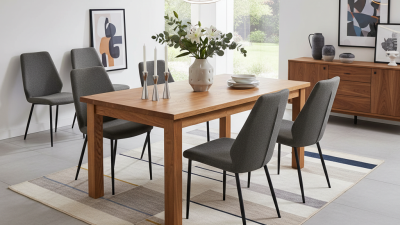
Natural materials are also in vogue. Many households prefer wooden tables, especially those with unique grains and textures. This choice adds warmth and authenticity to dining areas. However, consumers sometimes overlook the maintenance these tables require. They may need regular treatment to prevent wear and tear.
Lastly, color plays a significant role in dining table styles. Neutral shades are common, with occasional bold accents. While this aesthetic appeals to many, it can limit the emotional connection one forms with the space. A well-chosen table can enhance the ambiance of the home. Yet, choosing the right color can be daunting for some, as it impacts the overall vibe of the dining room. Balancing trends with personal style remains a challenge for many.
The Influence of Feng Shui on Dining Table Design Choices
Feng Shui plays a vital role in dining table design. It emphasizes balance and harmony in spaces. This ancient practice helps create a welcoming atmosphere. When choosing a dining room table, consider the shape.
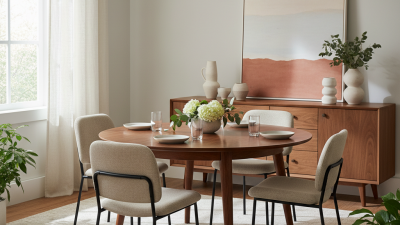
Round tables promote conversation and community. Square and rectangular tables provide a more formal feel. The ideal shape varies based on the room's layout.
Material also affects energy flow. Wood is a popular choice, symbolizing health and growth. Glass tables can create an airy space but may lack warmth. Avoid sharp corners, which can cause discomfort. Instead, soft edges encourage positive energy.
Color selection is crucial too. Warm tones invite friendliness, while cool colors may promote calmness. Reflect on the overall vibe you want to create.
Lighting above the table should also align with Feng Shui principles. Proper lighting enhances the dining experience. It fosters connection among family and friends. Adjustments based on these principles can lead to a more balanced environment.
Materials Used in Popular Chinese Dining Room Tables: A Statistical Overview
When selecting dining room tables in China, materials significantly impact style and durability. A recent market report indicates that over 55% of consumers prefer solid wood for its longevity and classic appeal. Hardwoods like oak and walnut dominate this category, providing both strength and aesthetic beauty. Solid wood tables often feature intricate carvings, reflecting traditional craftsmanship.
In contrast, metal and glass tables have risen in popularity, especially among younger buyers. Statistical data shows that about 30% of dining room tables sold in urban areas are made from these materials. Metal offers a modern look, while tempered glass creates an illusion of space. However, these materials can suffer from scratches and fingerprints, which may deter some buyers.
Other materials like MDF (medium-density fiberboard) are favored for their affordability and versatility. Reports suggest that nearly 10% of dining tables are made from MDF. While it allows for various finishes, this material may lack the sturdiness that solid wood provides. Therefore, potential buyers must weigh their options carefully, considering the trade-offs between style, maintenance, and longevity.
Top 10 Dining Room Table Styles in China You Need to Know
| Style |
Material |
Popular Regions |
Price Range (CNY) |
| Traditional Chinese |
Solid Wood |
Beijing, Shanghai |
3000 - 8000 |
| Modern Minimalist |
Glass & Steel |
Guangzhou, Shenzhen |
1500 - 5000 |
| Rustic Farmhouse |
Reclaimed Wood |
Sichuan, Yunnan |
2000 - 7000 |
| Contemporary |
Composite |
Hangzhou, Xi'an |
1000 - 4000 |
| Asian Fusion |
Bamboo |
Taiwan, Hong Kong |
1800 - 5000 |
| Luxury Glass |
Tempered Glass |
Shanghai, Beijing |
5000 - 12000 |
| Industrial Style |
Metal & Wood |
Beijing, Guangzhou |
2000 - 6000 |
| Vintage Retro |
Pine & Oak |
Shenzhen, Chengdu |
2500 - 8000 |
| Classic Round |
Marble |
Beijing, Tianjin |
3000 - 10000 |
| Outdoor Dining |
Resin & Wood |
Coastal Cities |
1200 - 4000 |
Cultural Significance of Dining Table Styles in Chinese Households
Dining tables hold cultural significance in Chinese households. They are more than just furniture; they symbolize unity and family togetherness. Many Chinese homes prioritize the dining table. Meals at this table often include family and friends. These gatherings foster connections and shared traditions.
In traditional Chinese culture, the dining table is a focal point for various celebrations. It is where families share important festivals like the Lunar New Year. The choice of table style reflects personal values and artistic preferences. Styles can be minimalist, ornate, or rustic, each telling a unique story.
**Tips:** Choose a dining table that complements your household’s vibe. Include elements that represent your heritage. Consider the size and shape for gatherings. A round table often encourages conversation and connection. Reflect on your family’s needs; each style offers a different atmosphere. Keep practicality in mind while embracing aesthetics.
Top 10 Dining Room Table Styles in China
Comparative Analysis of Traditional vs. Modern Dining Table Designs in China
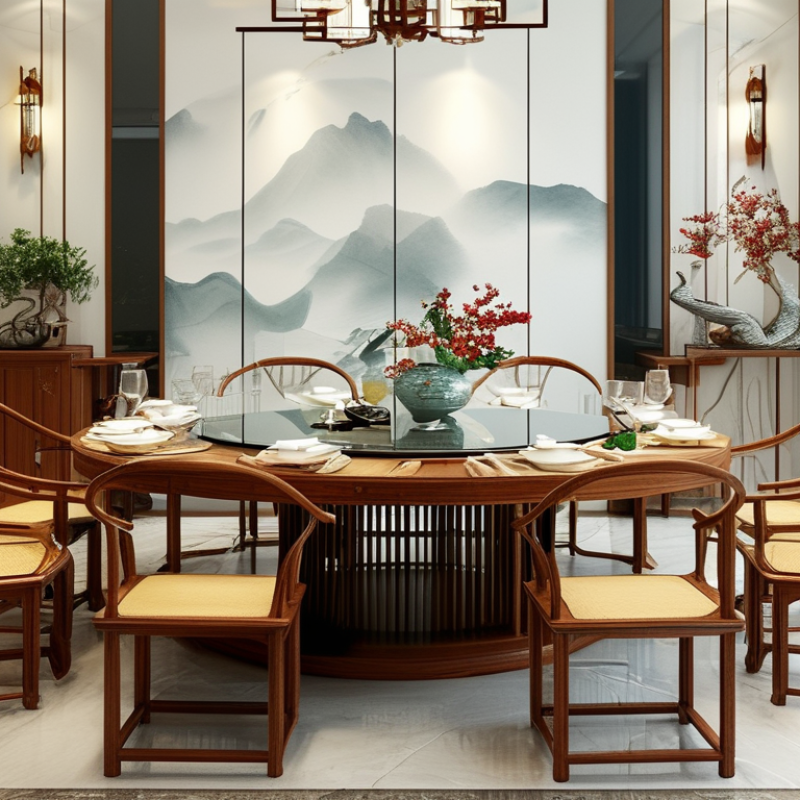
In China, dining table designs reflect a blend of tradition and modern aesthetics. Traditional dining tables often feature intricate carvings and rich wood grains. These tables emphasize family and togetherness. The average size of a traditional table is around 1.8 meters, accommodating up to eight people. According to a recent survey by the China National Furniture Association, 65% of households still prefer classic designs for their enduring appeal.
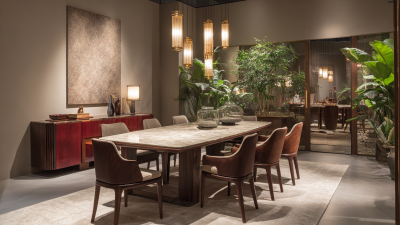
On the other hand, modern dining tables showcase minimalist designs. They often use materials like metal and glass. This shift highlights a growing preference for clean lines and functionality. Research indicates that 45% of younger consumers favor modern styles for their versatility. However, some find these designs lack the warmth of traditional tables. The stark simplicity may feel impersonal, raising questions about cultural connections.
The contrast in these styles illustrates broader shifts in consumer values. Traditional designs celebrate heritage and craftsmanship. Meanwhile, modern designs cater to contemporary lifestyles. Both have their merits and drawbacks, reflecting the ongoing dialogue about what dining spaces should represent.