Top 10 Modern Furniture Trends You Need to Know?
Modern furniture has evolved significantly in recent years. Designers like Sarah Johnson emphasize the importance of blending style with functionality. She once stated, “Modern furniture should not just look good; it must serve a purpose.” This notion resonates deeply in the current trends.
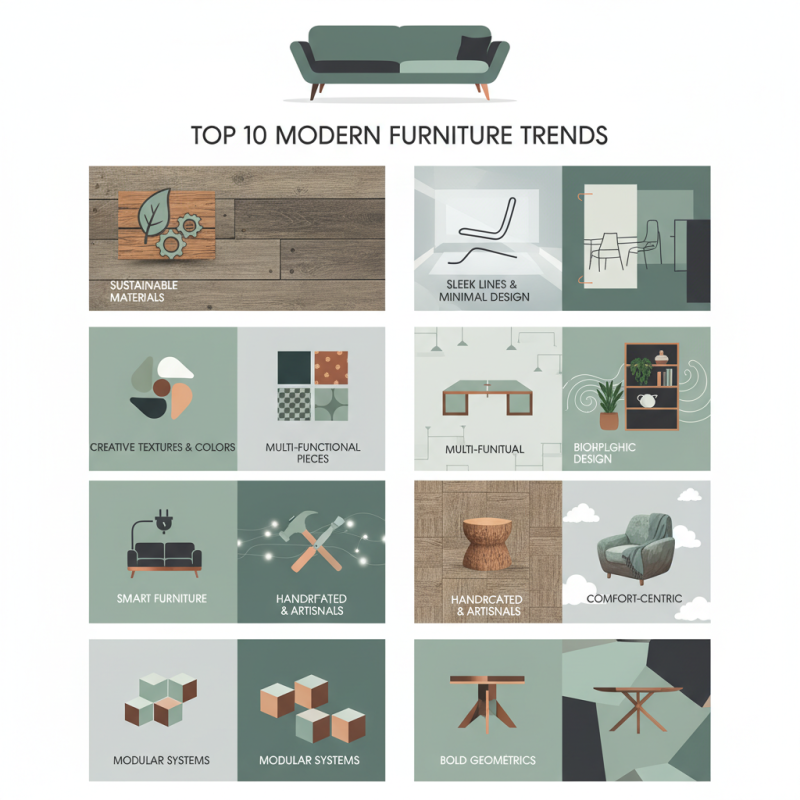
The shift towards sustainable materials is a key trend. Many modern furniture pieces use reclaimed wood and recycled metals. These choices reflect a growing awareness of environmental issues. Furthermore, sleek lines and minimalistic designs are popular, creating open and airy spaces. Textures and colors are being explored more creatively, adding warmth and depth to modern interiors.
However, the rapid evolution of modern furniture can feel overwhelming. With so many options, making a choice can lead to indecision. Consumers often struggle to balance aesthetics with practicality. As trends shift, reflecting on personal style amidst external influences becomes essential. This journey through the world of modern furniture can spur both inspiration and uncertainty.
The Rise of Minimalism in Modern Furniture Design
Minimalism has taken center stage in modern furniture design. This trend emphasizes simplicity and functionality. Clean lines and a restrained color palette create calm spaces. Minimalist furniture often integrates natural materials, like wood and metal. These elements bring warmth and character. This design approach is perfect for small living areas. It makes spaces feel more open and organized.
When choosing minimalist furniture, consider the scale of each piece. Large items can overwhelm a room. Aim for proportional sizes. To maintain the look, limit decorative accessories. A few curated art pieces or plants work well. They add personality without cluttering.
Think about texture too. Smooth surfaces paired with soft fabrics create a balanced feel. Contrast can enhance the minimalist aesthetic. Reflective materials can add depth. This adds interest without compromising simplicity. It’s vital to create a space that feels both functional and inviting. Embrace imperfections in your selection. A slight flaw can add uniqueness. Minimalism is about balance, allowing for a thoughtful reflection of your lifestyle.
Sustainable Materials: Eco-Friendly Choices in Furniture Trends
Sustainable materials are becoming essential in modern furniture design. Eco-friendly choices are not just a trend; they are vital for our planet. Many furniture makers are shifting towards materials like bamboo, reclaimed wood, and recycled metals. These options reduce waste and lower the carbon footprint. Imagine having a dining table made from reclaimed barn wood. Each scratch tells a story.
Yet, not all sustainable furniture is perfect. Some materials may lack durability or require more maintenance. Bamboo is strong but can be sensitive to humidity. Reclaimed wood is beautiful, but finding uniformity in color can be challenging. Consumers must weigh aesthetics against practicality. The right choice may require compromise and thoughtfulness.
As awareness of climate change grows, so does the demand for sustainable options. Individuals want their homes to reflect their values. Eco-friendly choices can enhance any space while supporting a greener future. However, buyers should research and think carefully. The journey to a fully sustainable home is often less than straightforward.
Top 10 Modern Furniture Trends You Need to Know: Sustainable Materials
| Trend | Material | Sustainability Rating | Key Benefits |
|---|---|---|---|
| Reclaimed Wood Furniture | Reclaimed Wood | A+ | Durable, unique character, reduces waste |
| Bamboo Furniture | Bamboo | A | Fast-growing, lightweight, strong |
| Upcycled Furniture | Upcycled Materials | A+ | Creative, reduces landfill waste |
| Natural Fiber Fabrics | Organic Cotton, Linen | A | Biodegradable, breathable, soft feel |
| Recycled Metal Furniture | Recycled Steel, Aluminum | A | Sturdy, rust-resistant, eco-friendly |
| FSC-Certified Wood | FSC Wood | A | Sustainably sourced, responsible logging |
| Low-VOC Finishes | Low-VOC Paints and Finishes | A+ | Healthier indoor air quality, less pollution |
| Certified Organic Foam | Organic Memory Foam | A | Non-toxic, hypoallergenic, sustainable |
| Sustainable Plastics | Bio-Based Plastics | B+ | Lightweight, recyclable, versatile |
| Vintage and Antique Furniture | Various Materials | A+ | Timeless style, eco-friendly by nature |
Bold Colors and Patterns: Making a Statement with Furniture
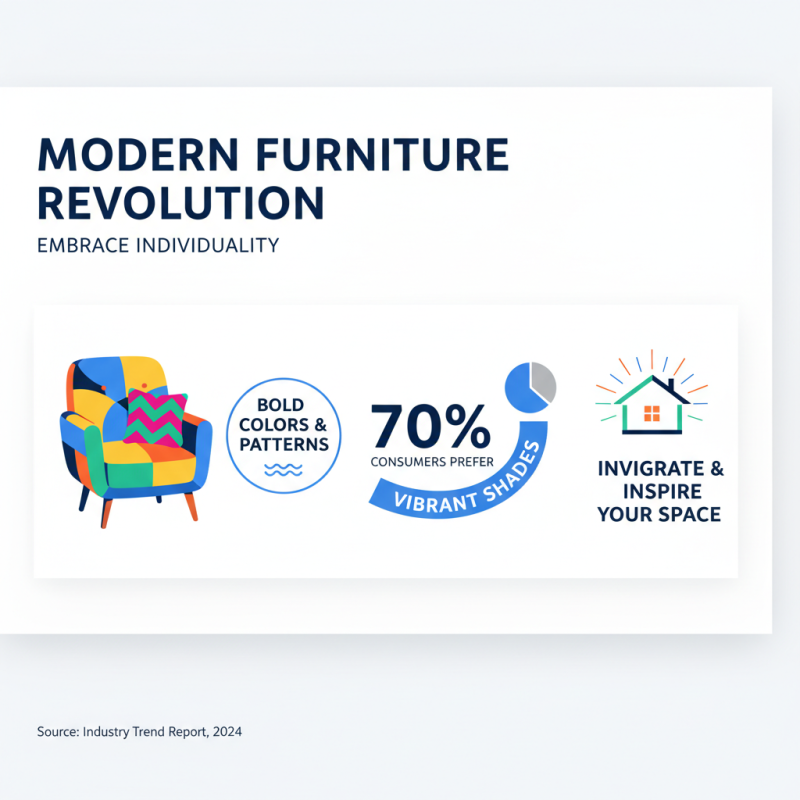
Bold colors and patterns are making waves in modern furniture design. Homeowners are eager to express individuality. Reports show that over 70% of consumers prefer vibrant shades to neutral tones. This shift reflects a desire for spaces that invigorate and inspire.
Incorporating bold colors can be both exciting and intimidating. Start with statement pieces: a bright sofa or an eye-catching armchair. Mix patterns by combining geometry with florals or stripes. Remember, balance is key. Too many vivid elements can overwhelm a space.
Tips for optimal color use include testing swatches in natural light. Observe how they interact throughout the day. Be prepared for adjustments; a color may look different once it's in your home. Consider how each shade influences your mood. Warm tones can create comfort, while cool hues promote calmness. Embrace the trial-and-error process to create a truly personal space.
Multi-Functional Furniture: Space-Saving Innovations
In today's fast-paced world, multi-functional furniture has become a key trend. It allows homeowners to maximize their space without sacrificing style. According to a 2023 report by the American Home Furnishings Alliance, 62% of consumers prefer furniture that serves multiple purposes. This trend speaks to the need for efficiency in urban living.
Consider a sofa that transforms into a bed. During the day, it serves as a comfortable lounge area. At night, it becomes a cozy sleeping space for guests. This versatility is crucial, especially in small apartments. Moreover, multi-functional pieces can include storage options. For example, coffee tables with hidden compartments enable seamless organization.
Yet, not all multi-functional designs are perfect. Some may compromise on aesthetics for utility. Consumers often find it challenging to balance style and function. Measurements may not fit well in all spaces. People might also overlook the importance of quality materials for durability. Reflecting on these challenges is essential in the search for the right piece.
Top 10 Modern Furniture Trends: Multi-Functional Furniture Innovations
Smart Furniture: Integrating Technology into Modern Designs
Smart furniture is revolutionizing modern living spaces. Imagine a sofa that adjusts its firmness based on your comfort level. Or a coffee table that wirelessly charges your devices. These designs blend utility with style, making everyday life easier.
Many pieces now feature embedded technology. A dining table might have built-in speakers. A bed could include sleep tracking monitors. These innovations can seem overwhelming. Will we want to depend too much on technology? Finding the right balance is crucial.
However, not all designs are perfect. Some smart furniture can be complicated to use. Devices might not connect easily, leading to frustration. This blending of technology with furniture is still evolving. Users need to ask themselves what truly adds value to their lives.
Related Posts
-
Exploring the Benefits of a Sofa with Chaise: The Perfect Blend of Style and Comfort for Your Living Space
-
Why Choose a Modular Sectional Sofa for Your Living Room Style and Comfort
-
What is the Best Dining Room Table Sets for Every Home Style?
-
How a Round Kitchen Table Can Transform Your Family Gathering Experience
-
The Rise of Curved Sofas in Modern Interior Design with 2023 Market Trends and Consumer Preferences
-

The Rising Demand for Round Kitchen Tables at the 138th China Import and Export Fair in 2025