Top Quality Table Feet for Global Buyers How to Choose?
When it comes to selecting high-quality table feet, buyers face many options. The market offers varied styles, materials, and designs that can significantly impact durability and aesthetics. Table feet do more than support furniture; they influence comfort and stability. Therefore, understanding how to choose the right table feet is essential.
Quality is not always easy to assess. Some table feet may look attractive but fail in functionality. Buyers need to consider both form and function. Factors such as weight capacity and material durability should not be overlooked. Researching the qualities of different materials can save consumers time and money.
Additionally, the importance of expert opinions cannot be stressed enough. Feedback from users who have experience with specific products can guide your choice. While some products may seem appealing, personal reviews often reveal hidden flaws. Being well-informed allows buyers to make better decisions in this diverse marketplace.
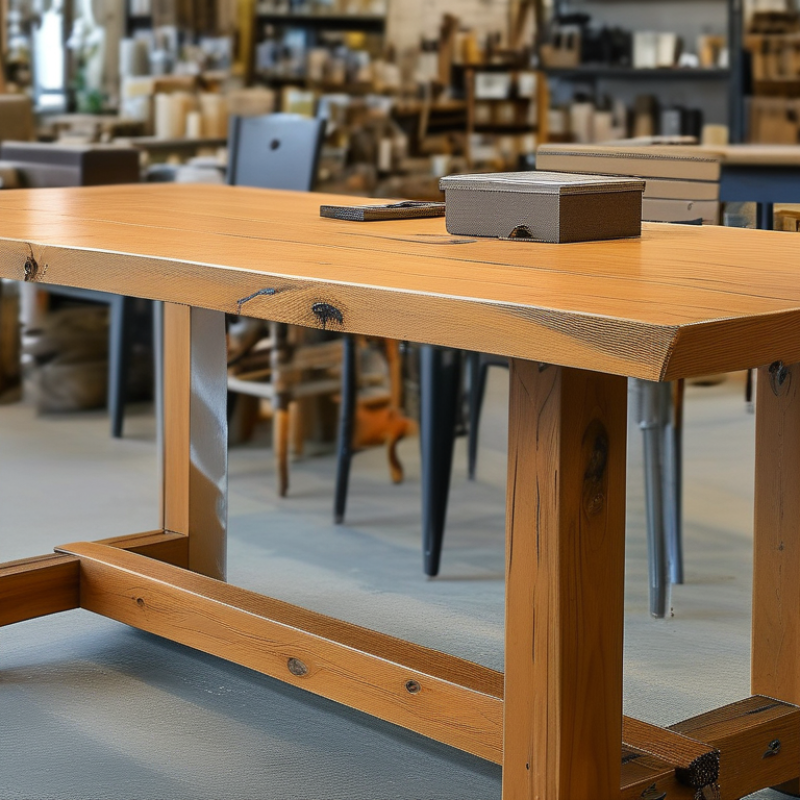
Understanding the Importance of Quality Table Feet in Furniture Design
Choosing quality table feet is essential in furniture design. These small components have a significant impact on overall stability and aesthetics. A sturdy table foot enhances balance and durability, preventing wobbling. In contrast, low-quality feet can compromise a piece’s functionality and visual appeal.
When selecting table feet, consider the material used. Wood offers warmth and classic charm, while metal provides a sleek, modern look. Each material has its strengths. Wooden feet may wear over time, requiring maintenance. Metal options might come with a cold appearance unless paired with the right finishes.
One effective way to ensure you choose wisely is to research and compare different options. Look for reviews or insights from other buyers. Also, consider the table's use. High-traffic areas need reinforced feet for added durability. Understanding these elements can improve your selection process immensely. Pay attention to how the feet complement the overall design. A mismatch can detract from a beautifully crafted piece. Always test the products whenever possible to assess their sturdiness and comfort level.
Types of Table Feet: Materials and Styles for Your Needs
When selecting table feet, material and style play crucial roles. Various materials offer distinct advantages, impacting the overall performance and aesthetics of furniture. Wood provides durability and a classic touch. Metal, on the other hand, is often favored for its industrial look and strength. According to industry reports, metal table legs have surged in popularity due to their modern appeal and compatibility with various design styles.
Understanding the styles available is equally important. For instance, hairpin legs give a retro vibe, while tapered legs offer a sleek profile. Transparency in materials has also become a trend, with acrylic legs enhancing the feeling of space. In fact, data shows that furniture featuring transparent elements has seen a 30% increase in demand over the past year. It’s essential to align your choice with the table's intended use and the overall room design.
When making a selection, consider the balance between style and function. Each material has its unique maintenance requirements. Some may require regular polishing, while others are more forgiving. A reflective approach can lead to better decision-making. Evaluate the weight support and versatility needed for your space. Don't underestimate how the choice of table feet can redefine room dynamics and functionality.
Key Factors to Consider When Choosing Table Feet
Choosing the right table feet is crucial for functionality and aesthetics. When considering table feet, durability should be a top priority. According to a report by the Furniture Industry Association, consumer satisfaction decreases by 40% when furniture components fail quickly. This suggests that investing in high-quality materials leads to long-term benefits.
Another key factor is the weight capacity. Different styles of table feet have varying support levels. For instance, metal feet often can support more weight than wooden ones. A study found that tables with robust metal feet could hold up to 300 kg, whereas weaker wooden counterparts may only handle 150 kg. Thus, evaluating the intended use of the table is vital.
Aesthetics also play an important role in selection. The foot design can significantly impact a table's overall look. Options range from sleek metallics to rustic woods. However, mismatching styles can lead to a disjointed room appearance. Reflecting on how table feet integrate with existing furniture is essential for cohesive decor. Ultimately, the decision should balance these factors to ensure both practical functionality and visual appeal.
Evaluating Manufacturer Reputation and Product Quality
When choosing table feet, the reputation of the manufacturer is crucial. Reports indicate that over 70% of buyers prioritize quality over price. A strong reputation often reflects consistent product performance and reliability. Look for manufacturers with years of industry experience. Their longevity can indicate stability and trustworthiness. Checking reviews and testimonials can provide insights into real customer experiences.
Quality assessments typically include materials used, design durability, and weight capacity. For example, steel and aluminum are favored for their strength. According to industry standards, high-quality table feet should support at least 300 pounds. Manufacturers who adhere to these standards often deliver superior products. However, some companies may cut corners to reduce costs.
Evaluate certifications and compliance with industry standards. Certifications from recognized agencies can assure buyers of product safety and quality. Engage with industry forums or groups to gather opinions on manufacturers. Gathering diverse insights can lead to well-informed decisions. Understanding the nuances of the product's design and functionality is key to sustaining use over time. Reliable manufacturers often provide warranties, which is an indicator of their confidence in product longevity.
Sustainability in Table Feet: Making Environmentally Friendly Choices
Sustainability in table feet manufacturing has become increasingly important. With rising environmental concerns, buyers should prioritize eco-friendly materials. According to a recent industry report, around 77% of consumers prefer products made from sustainable resources. This shift highlights the need for manufacturers to adopt greener practices.
When selecting table feet, consider materials such as bamboo or recycled metals. Bamboo grows rapidly and offers excellent durability. Recycled metals reduce waste and lower the carbon footprint. Sustainable options not only benefit the environment but also attract customers who value quality and responsibility.
Choosing products with certifications can guide buyers. Look for labels indicating sustainability, reducing uncertainty. An estimated 65% of brands now emphasize eco-friendly certifications in their marketing. These details can help create a more informed choice. A focus on sustainability can create a positive brand image while addressing ecological concerns.
Top Quality Table Feet for Global Buyers: Sustainability in Table Feet
This chart illustrates the environmental impact of different materials used in table feet. Buyers can use this information to make informed decisions about sustainable options.
