What Are the Top Types of Modern Dining Tables?
Choosing a modern dining table involves more than following current furniture trends. The right design should support daily meals, conversations, work, and occasional gatherings. Room size, seating capacity, material quality, and maintenance needs all influence the decision. A beautiful table can still feel wrong when chairs cannot move comfortably around it.
This guide examines the top types of modern dining tables, including rectangular, round, oval, square, extendable, glass, wood, and mixed-material designs. Each style creates a different visual rhythm. A rectangular table suits long rooms and larger families. A round table encourages eye contact in smaller spaces. An extendable model offers flexibility when guests arrive unexpectedly. Practical experience shows that these differences matter more than many buyers expect.
Reliable selection also requires attention to construction details. Check the tabletop thickness, joint quality, base stability, finish durability, and stated dimensions. Materials should match your household habits. Solid wood may develop natural marks, while glass can reveal fingerprints and dust. Metal bases may look light, yet poorly balanced designs can feel unstable. Small details matter.
There is no universal winner. My own preference may not suit your room, lighting, or routine. Even expert advice has limits when personal comfort is ignored. Measuring the dining area with masking tape can reveal awkward clearances before purchase. This overview will help compare each modern dining table type with realistic expectations, informed judgment, and a focus on long-term use.
Defining Modern Dining Tables and Their Key Characteristics
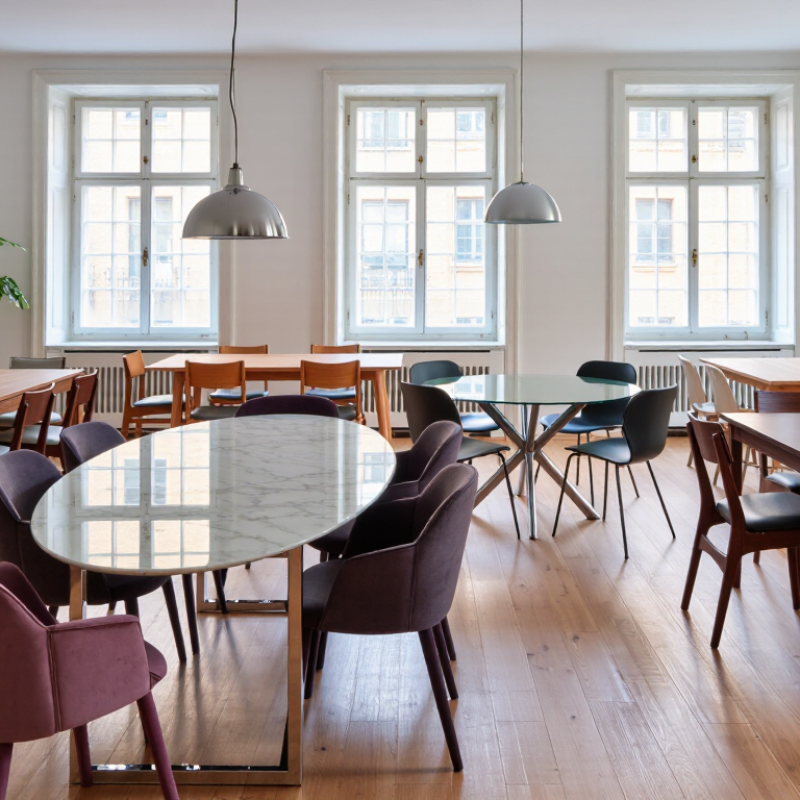
Modern dining tables are defined less by a date than by a design attitude. They usually favor clean lines, restrained decoration, and practical proportions.
A slim rectangular table suits narrow rooms, while a round pedestal table improves movement around tight corners. Extendable designs are useful when weekday space must become a larger setting.
That change is not always elegant. Some extension leaves can feel slightly uneven.
Materials shape both appearance and daily performance. Solid wood offers warmth, visible grain, and can be refinished after years of use. Tempered glass makes a small dining area feel lighter, though fingerprints demand regular care. Metal bases provide stability and a crisp industrial character. Stone surfaces resist heat better than many finishes, but they can be heavy when dishes slip.
In practice, edge treatment matters. A softened edge feels kinder against a child’s elbow than a sharp profile.
A modern table should support real dining habits. Check knee clearance, tabletop height, and walking space before choosing a style. For six diners, allow roughly 60 centimeters of table edge per person.
This leaves room for plates, serving bowls, and relaxed elbows. I once preferred a sculptural base, yet it blocked one chair and annoyed guests.
That mistake changed my view. Good design must look composed and work quietly.
Proportions can be beautiful. They can also fail.
Exploring the Main Materials Used in Modern Dining Tables
Modern dining tables are shaped by their materials as much as their silhouettes. In home furnishing projects, I have found that solid wood creates the warmest daily experience. Its grain feels natural under the hand, especially after a low-sheen finish. Wood also expands and contracts with humidity. A slightly uneven surface is not always a defect; it can show genuine movement. However, standing water and harsh cleaners may leave permanent marks.
Glass offers a lighter visual effect in compact dining rooms. Clear tops reflect windows and make the floor feel more open. Tempered glass is a practical choice because it is processed for improved impact resistance. Fingerprints appear quickly, though. Metal frames add structural strength and a sharper, industrial character. Powder-coated surfaces usually resist ordinary scratches better than untreated metal, but chipped areas still need prompt care.
Stone and ceramic surfaces bring weight, texture, and strong heat resistance. Their cool touch suits contemporary interiors, although some natural stone can absorb oils without proper sealing. Engineered wood costs less than many solid options and often provides better dimensional stability. I once preferred flawless white surfaces, but daily testing changed my view. Small marks and visible texture can make a table feel used rather than disposable. Check the edge finish, support joints, and cleaning instructions before choosing a material. These details often matter more than a fashionable color.
Comparing Popular Modern Dining Table Shapes and Sizes
What Are the Top Types of Modern Dining Tables?
Comparing Popular Modern Dining Table Shapes and Sizes
Modern dining tables work best when their shape matches the room’s movement. A round table supports conversation and removes sharp corners from narrow walkways. A 42-inch diameter model usually seats four people comfortably. A 60-inch version can seat six, although place settings may feel tight. Rectangular tables remain the most flexible choice. A 72-inch table typically seats six, while an 84-inch table can accommodate eight with enough elbow room.
The 2024 Houzz & Home Study reports that homeowners continue investing in open-plan and multifunctional spaces. This helps explain the popularity of extendable tables. A compact 48-inch table can serve daily meals, then expand beyond 72 inches for guests. Square tables suit nearly square rooms, but their corners can interrupt circulation. Oval tables soften that problem while preserving useful length. They are often better for homes with children or busy passageways.
Industry sizing guidance from the Furniture Industry Research Association recommends allowing roughly 24 inches of dining width per person. Leave at least 36 inches between the table edge and nearby walls. More space feels noticeably better. These measurements are useful, but not perfect. Chair arms, table legs, and serving dishes can quickly reduce comfort. Before buying, place masking tape on the floor. Live with the outline for one evening.
Understanding Contemporary Dining Table Styles and Features
Modern dining tables are no longer limited to one fixed shape. Contemporary styles include extendable tables, round pedestal designs, trestle tables, glass-top models, and compact drop-leaf options. Each type responds to different routines. An extendable table suits a small apartment that occasionally hosts six guests. A round table improves conversation and removes sharp corners. Trestle legs provide better seating flexibility, especially for benches or dining chairs with wide frames.
Material and construction now influence style as much as appearance. Engineered wood can reduce weight and improve dimensional stability, while solid timber offers tactile warmth and repair potential. Tempered glass creates visual openness, but it shows fingerprints quickly. Metal bases add a light industrial character, although poorly finished edges can feel cold. The Global Market Insights 2024 furniture market report projects continued growth in home furniture demand through 2032, supported by urban housing and space-saving designs. That trend makes nesting, folding, and expandable features increasingly practical.
Sustainability also shapes contemporary choices. A 2024 Statista Market Insights report estimates global furniture revenue at more than 700 billion U.S. dollars, showing the scale of consumer demand. Yet market growth does not automatically mean better products. Check joinery, surface coatings, replacement parts, and material certifications before buying. A table may look modern but still wobble after a few months. Measure chair clearance carefully. Leave about 90 centimeters behind occupied seats for comfortable movement, though real homes often need compromise.
What Are the Top Types of Modern Dining Tables? – Understanding Contemporary Dining Table Styles and Features
| Dining Table Type | Typical Seating | Common Shapes and Sizes | Key Contemporary Features | Best Suited For | Practical Considerations |
|---|---|---|---|---|---|
| Rectangular Dining Table Most versatile | 4–12 people | Common widths are approximately 90–110 cm, with lengths ranging from about 120–300 cm. | Clean lines, generous surface area, multiple leg styles, and easy placement against a wall or in the center of a room. | Larger dining rooms, family meals, entertaining, and multipurpose dining areas. | Allow comfortable clearance around all sides. A table length of about 150–180 cm commonly seats six, depending on chair width and leg placement. |
| Round Dining Table Social layout | 2–8 people | Common diameters are approximately 90–180 cm. | Centralized seating, no sharp corners, balanced proportions, and strong compatibility with pedestal bases. | Compact dining rooms, breakfast areas, apartments, and conversation-focused settings. | The absence of corners improves circulation, but very large round tables can make reaching shared dishes less convenient. |
| Oval Dining Table Soft profile | 4–10 people | Often approximately 150–250 cm long and 90–120 cm wide. | Combines the seating efficiency of a rectangular table with rounded ends and a visually softer silhouette. | Medium-to-large rooms where circulation and seating flexibility are important. | Rounded ends reduce sharp corners, while the elongated center provides useful space for place settings and serving dishes. |
| Square Dining Table Balanced footprint | 2–8 people | Common side lengths are approximately 90–150 cm. | Symmetrical proportions, equal conversational distance, and a strong geometric appearance. | Square rooms, compact dining zones, breakfast nooks, and evenly distributed seating arrangements. | Works best when there is enough space on every side. Larger square tables may require more floor area than similarly sized rectangular designs. |
| Extendable Dining Table Flexible capacity | 4–12 or more people | Usually available in rectangular, oval, or round formats, with leaves that increase the tabletop length or diameter. | Sliding, drop-leaf, butterfly-leaf, or removable-leaf mechanisms that support everyday and occasional seating needs. | Homes that require a compact daily footprint but additional seating for guests. | Check the storage location for removable leaves and confirm that chairs can still move comfortably when the table is fully extended. |
| Pedestal Dining Table Open legroom | 2–10 people | Available in round, oval, square, and rectangular shapes; sizes vary by tabletop design. | One central support or a central base instead of four corner legs, creating a cleaner visual structure. | Flexible seating arrangements, smaller dining spaces, and rooms where legroom is a priority. | Central bases reduce interference with chairs, but the base should be stable and positioned so it does not obstruct feet. |
| Trestle Dining Table Architectural style | 6–12 people | Most often rectangular or oval, with two supporting trestle frames connected beneath the tabletop. | Structural side supports, broad visual presence, and an open area between the supports for chair placement. | Larger dining rooms, farmhouse-modern interiors, and long communal dining arrangements. | Verify the distance between trestles because their position can affect chair leg clearance and seating comfort. |
| Glass-Top Dining Table Light visual effect | 2–8 people | Commonly rectangular, round, or oval; tabletop dimensions depend on the supporting base. | Transparent or translucent surface, reflective appearance, and compatibility with metal, wood, or sculptural bases. | Modern interiors, smaller rooms, and spaces that benefit from an unobstructed visual line. | Requires regular cleaning and careful handling. Tempered safety glass is commonly preferred for dining applications. |
| Solid Wood Dining Table Natural texture | 4–12 people | Available in nearly all standard shapes, with thickness and dimensions varying by construction. | Visible grain, tactile warmth, repairable or refinishing-friendly surfaces, and broad compatibility with contemporary interiors. | Everyday family use, long-term furnishing, and interiors that combine modern forms with natural materials. | Wood can respond to changes in humidity and temperature. Use suitable coasters, clean spills promptly, and follow the finish-care instructions. |
| Compact Drop-Leaf Table Space saving | 2–6 people | Narrow rectangular or square formats that expand with hinged leaves on one or both sides. | Fold-down sections, reduced storage footprint, and adaptable dimensions for dining or occasional work use. | Apartments, kitchens, studio spaces, and rooms with limited circulation space. | Measure the table in both folded and expanded positions, and ensure the hinges and supports can carry the tabletop securely. |
Choosing a Modern Dining Table for Different Dining Spaces
What Are the Top Types of Modern Dining Tables?
Choosing a Modern Dining Table for Different Dining Spaces
A modern dining table should fit the room before it follows a trend. In a narrow apartment, a slim rectangular table can preserve walking space. Choose one with softened corners if chairs sit close to the walls. For compact square rooms, a round pedestal table improves movement and reduces awkward chair angles. It also encourages conversation during everyday meals.
Larger dining areas can support an extendable table, especially when family gatherings are occasional. A six-seat design may serve daily needs, then open for guests. Glass surfaces can make a small room feel brighter, but fingerprints demand regular care. Wood offers warmth and visual stability, although darker finishes may make a tight room appear smaller. I have found that measuring chair clearance is easy to overlook. Allow enough space to pull chairs back comfortably.
Tips: Measure the tabletop, chairs, and walking paths together. Leave about 90 centimeters around the table when possible. Check the table height against your chairs before buying. Test the finish under natural light. A sample can reveal unexpected tones. Consider daily habits, not only appearance. If children use the table, choose a durable surface with safe, rounded edges. For uneven floors, adjustable feet can prevent annoying movement. My own preference changed after choosing style over clearance once; the table looked excellent, but guests moved sideways to sit. That mistake still influences my measurements.
What Are the Top Types of Modern Dining Tables?
Typical seating capacity varies by table shape, size, and whether the table includes an extension mechanism. Use these ranges as a practical guide when choosing a modern dining table for different dining spaces.
Round and square tables work well in compact dining areas, while rectangular and oval tables are better suited to longer rooms. Extendable tables provide the greatest flexibility for everyday meals and larger gatherings.
Related Posts
-
The Rise of Curved Sofas in Modern Interior Design with 2023 Market Trends and Consumer Preferences
-
Discover the Best Sofa with Chaise for Your Home Today?
-
What is a leather sofa and why is it a popular choice for homes?
-
What is a Modular Sectional Sofa and How Does It Benefit Your Living Space?
-
Why Choosing the Right Dining Table Set Can Transform Your Home Experience
-
How to Choose the Perfect Leather Sectional for Your Home?