Types of Wood Screw Heads You Need to Know for Sourcing?
When sourcing wood screws, understanding the "Types Of Wood Screw Heads" is essential. The head shape influences both performance and aesthetics. Each type serves a distinct purpose in woodworking.
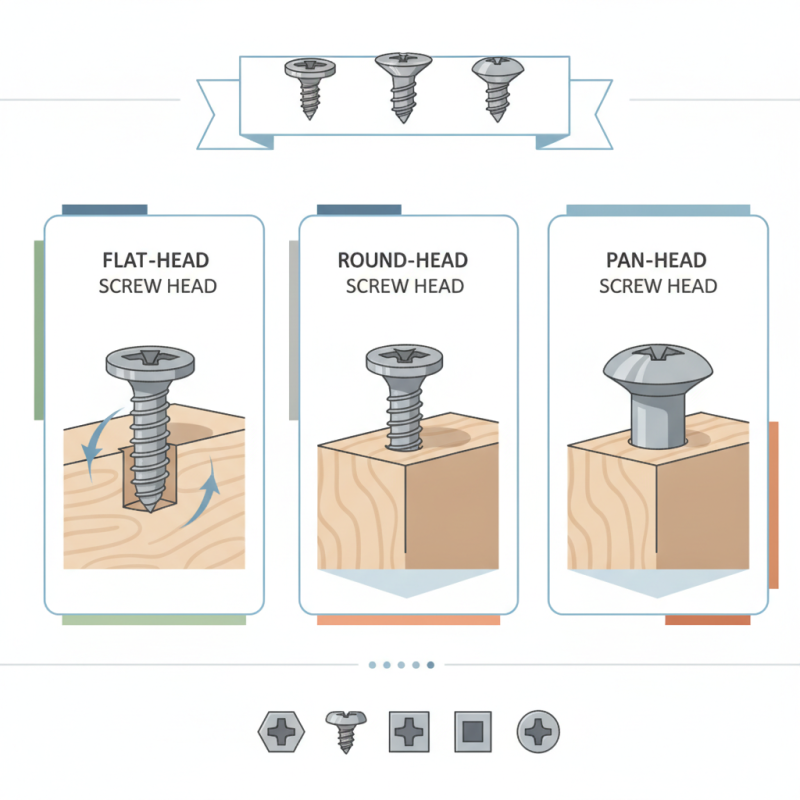
There are several common types of heads, including flat, round, and pan. Flat heads are popular for flush finishes, while round heads provide a more noticeable appearance. Each type impacts how the screw fits into materials and how secure the grip will be.
Choosing the right head type can affect the overall success of your project. It's not only about functionality; it also impacts visuals. Familiarity with these types enhances your sourcing decisions. Make sure to consider the specific requirements of your woodworking tasks.
Types of Wood Screw Heads: An Overview of Common Styles
When selecting wood screws, understanding various head styles is crucial. Each type of head serves a specific function and can affect your project's aesthetics. Common styles include flat, round, and pan heads. Flat heads are ideal for flush mounting. They create a smooth surface, making them perfect for cabinetry. Round heads offer a bit of elevation, allowing for easy adjustments. They are often used in applications where the screw needs to be visible.
Choosing the right screw head is essential. Consider materials and project types when sourcing. For instance, a round head might be more appropriate for attaching hardware to furniture. Flat heads work well for concealed fastening. When in doubt, consult with a hardware expert. They can offer insights based on experience.
**Tips:** When handling screws, consider using a magnetized driver. This prevents dropping screws and saves time. Take note of the wood type when selecting screws. Softer woods may require finer threads. This can lead to a better grip and prevent splitting.
Types of Wood Screw Heads You Need to Know for Sourcing
| Screw Head Type | Description | Common Uses | Advantages |
| Flat Head | Designed to sit flush with the surface of the material after installation. | Decking, cabinetry, and furniture. | Provides a smooth finish and strong hold. |
| Pan Head | Slightly rounded top with a flat underside, offering a larger bearing surface. | General construction and assembly purposes. | Easy to drive and good for fastening into thin materials. |
| Round Head | Fully rounded top, providing a prominent appearance on the surface. | Furniture assembly and decorative purposes. | Visually appealing and easy to align. |
| Hex Head | Features a hexagonal head for use with wrenches. | Heavy-duty applications and furniture hardware. | Allows high torque during installation. |
| Socket Head | Countersunk head with an internal hex for a neat appearance. | Used in precision machineries and concealed applications. | Provides a clean look and reduces the risk of stripping. |
Flat Head Wood Screws: Features and Applications
Flat head wood screws are essential for various woodworking projects. Designed with a flat top, they sit flush with the surface of the wood. This feature is crucial for applications where a smooth finish is required. For instance, when installing cabinetry or flooring, flat head screws ensure no protrusions disrupt the aesthetic appeal.
In terms of applications, these screws are widely used for joining wood pieces in furniture assembly. They work well with materials like plywood and hardwood. The flat head design helps distribute the load evenly, reducing the risk of splitting the wood. Additionally, they can be used with countersink holes, enhancing the durability of the assembly.
Tips for using flat head wood screws include pre-drilling when working with dense wood species. This practice helps prevent cracking and ensures a snug fit. Always choose the right length to match the thickness of the material. A screw that is too long can penetrate unintended surfaces, while one that is too short may not provide adequate holding power. Always keep in mind that a secure connection is vital for the integrity of your projects.
Pan Head Wood Screws: Design and Usage Scenarios
When sourcing wood screws, it is essential to understand different screw head types, particularly pan head wood screws. These screws feature a rounded top and are ideal for a variety of applications. Their broad bearing surface provides excellent grip, making them suitable for softwood and hardwood alike. A report from the National Wood Flooring Association highlights that pan head wood screws can reduce stripping in softer woods, ensuring stronger connections in your projects.
Using pan head screws in furniture assembly offers several advantages. They sit flush with the wood surface, creating an aesthetically pleasing finish. This design minimizes the chances of snagging on surfaces, enhancing user safety. Interestingly, research indicates that about 70% of woodworkers prefer this type of screw for furniture due to its versatility. However, improper use can lead to wood splitting, especially in thinner materials.
When purchasing, pay attention to screw length and diameter. The balance is crucial for achieving robust connections. Overly long screws may penetrate too deeply, while short screws can compromise structural integrity. Always ensure you’re using the right tools for installation. It's a common oversight that can affect the overall quality of the assembly. Being mindful of these details can lead to better outcomes in woodworking projects.
Round Head Wood Screws: Characteristics and Benefits
Round head wood screws are a versatile choice in woodworking. Their design features a fully rounded top, providing a smooth finish. This characteristic makes them ideal for projects where aesthetics matter, such as furniture and cabinetry. The rounded head sits flush with wood surfaces, creating a polished look.
In addition to their aesthetic appeal, round head screws offer excellent holding power. The wide head distributes the load evenly, reducing the risk of splitting the wood. These screws are easy to install, often requiring only basic tools. However, it’s important to choose the right size. Incorrect sizing can lead to inadequate grip or overshooting through the material.
While round head wood screws are beneficial, they aren't always the best choice. In applications requiring a low-profile finish, other head types may be more appropriate. It’s crucial to evaluate your specific needs. Trying different screw types can lead to better results in your woodworking projects.
Specialty Screw Heads: Understanding Unique Designs for Specific Needs
When it comes to specialty screw heads, understanding their design is crucial. These unique heads cater to specific tasks and applications, allowing for enhanced performance. For instance, the Torx screw head features a star shape, creating better grip for power tools. This design minimizes slipping, making it ideal for heavy-duty tasks.
Another common specialty screw head is the square head. Originating in woodworking, it provides more torque compared to traditional heads. It allows for secure fastening without stripping. However, the square head may not fit standard drivers, posing a challenge for some users.
Tips: When choosing a specialty screw, consider the tool availability. Ensure you have the correct driver on hand. This prevents delays and unnecessary frustrations during your project.
Additionally, assess the materials you’ll be working with. Certain screw heads perform better in specific materials. For example, a Phillips head can be more effective in softer woods. Understanding these nuances leads to better results. Remember that sometimes, less common screw heads may not suit every application, so weigh your options carefully.