Why Are Dining Room Table Sets Popular Worldwide?
Dining room table sets remain popular because they turn an empty corner into a practical social space. A table, chairs, and matching finishes create visual order quickly. This matters in apartments, family homes, restaurants, and hospitality properties worldwide. Grand View Research reports that the global home furniture market is expanding, supported by housing construction, renovation, and changing consumer lifestyles. Its Furniture Market Size, Share & Trends Analysis Report identifies dining furniture as part of this broader demand.
The appeal is also highly practical. A coordinated set simplifies shopping, delivery, and room planning. It can define a six-seat family area beside a kitchen island. It can also support remote work during the day and shared meals at night. Euromonitor International’s home and living research shows that consumers increasingly connect domestic spaces with comfort, flexibility, and personal identity. That shift helps explain why compact tables, extendable designs, and mixed-material finishes are gaining attention. Smaller households often need furniture that performs more than one role.
The picture is not perfect. Global market reports use different definitions, currencies, and research methods. Their figures should guide decisions, not replace local observation. A retailer in London may see demand for slim oak sets, while a buyer in Manila may prioritize humidity-resistant materials. The International Trade Centre’s trade statistics also reveal how furniture flows across borders, but they do not measure emotional value. People still choose a dining room table sets for ordinary reasons: shared breakfasts, homework, celebrations, and conversation. That human experience may explain its lasting popularity better than sales data alone. Furniture trends change. The need to gather rarely disappears.
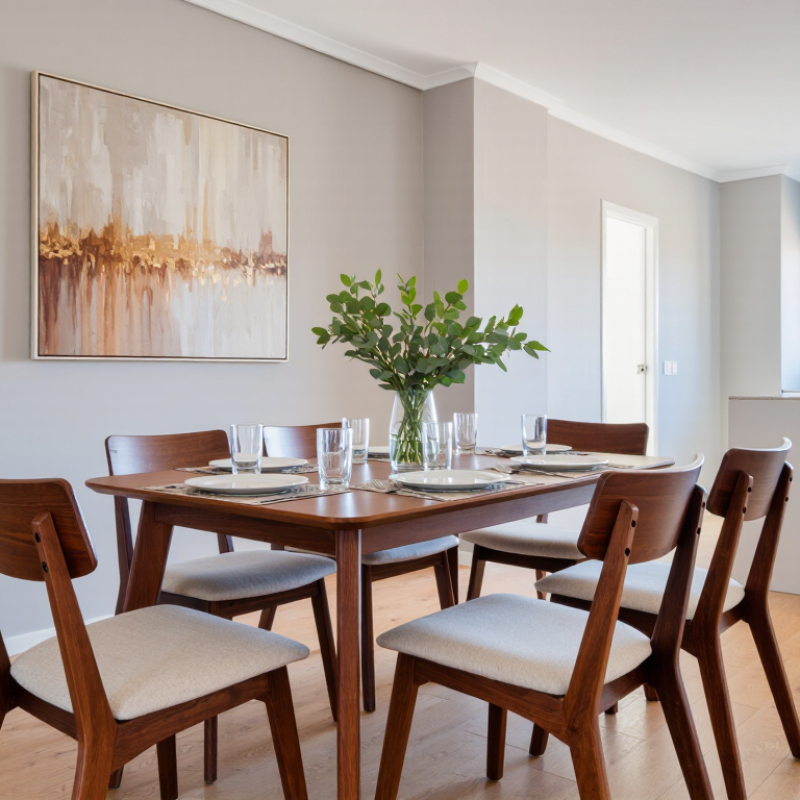
Definition and Core Components of Dining Room Table Sets
Why Are Dining Room Table Sets Popular Worldwide?
Definition and Core Components of Dining Room Table Sets
A dining room table set is a coordinated group designed for shared meals, conversation, and everyday use. Its central piece is the dining table. Matching or complementary seating usually completes the arrangement. These pieces may include chairs, benches, or both.
A reliable set should balance appearance, comfort, and practical dimensions. The table needs enough surface space for plates, serving dishes, and personal movement. Each diner generally needs about 60 centimeters of elbow room. Chair height also matters, because poor alignment can cause shoulder or knee discomfort.
Measure twice. Small details matter.
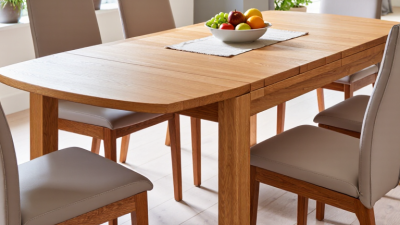
Materials shape the set’s character and maintenance needs. Solid wood often offers warmth and repair potential, while engineered panels can provide stable sizing and accessible pricing. Metal, glass, and upholstered seating add different textures. A sideboard may support storage, but it is an optional component, not part of every basic set. In smaller homes, an extendable table or bench can improve flexibility without filling the room permanently.
From practical furnishing assessments, coordinated sets simplify planning because scale and visual balance are considered together. Still, a perfectly matching group is not always the best choice. Families may prioritize washable fabrics, rounded corners, or sturdy finishes over visual uniformity.
That is worth remembering.
A dining set should serve real routines, including rushed breakfasts, homework, and occasional spills. The definition sounds simple, yet household needs make each set slightly different.
Historical Development and Global Adoption of Table Sets
Why Are Dining Room Table Sets Popular Worldwide?
Historical Development and Global Adoption of Table Sets
Dining table sets developed from practical household needs. In medieval Europe, trestle tables could be assembled for meals and removed afterward. In parts of East Asia, families traditionally ate around lower tables with different seating arrangements. These examples show that “table set” has never meant one universal design.
As homes gained dedicated dining rooms, coordinated furniture became more common. During the eighteenth and nineteenth centuries, improved woodworking and mass production made matching tables and chairs easier to obtain. Industrial manufacturing also reduced costs. Later, urban apartments needed compact furniture with predictable dimensions. A table, four chairs, and sometimes a bench offered a simple purchasing decision.
Global adoption accelerated through trade, migration, interior magazines, and expanding housing markets. Yet adoption was not simple copying. In warmer regions, people often favored lighter materials and open layouts. In smaller homes, folding leaves and stackable chairs became valuable. In many households, the dining table also serves as a study desk, craft surface, or temporary office.
Practical experience still shapes demand. A 120-centimeter table may suit four people, but crowded elbows reveal its limits. Families with young children may prioritize rounded edges and washable surfaces. Others prefer mixed chairs because matching sets can feel too formal. The history is not perfectly linear. Standardized furniture increased convenience, but it sometimes overlooked local habits, room sizes, and changing family structures.
Practical Benefits in Everyday Dining Spaces
Why Are Dining Room Table Sets Popular Worldwide?
Practical Benefits in Everyday Dining Spaces
A dining room table set gives everyday meals a clear, comfortable structure. The table, chairs, and sometimes a bench are designed to work together. This reduces guesswork when arranging a room. In smaller homes, matching pieces can also prevent visual clutter. A round table may improve movement in a narrow dining area. A rectangular table often suits larger family meals and shared work.
From my experience, coordinated seating makes ordinary routines easier. Children can sit securely, while adults have enough elbow room. A stable surface supports plates, homework, groceries, and occasional remote work. Materials also affect daily care. Smooth finishes usually wipe clean quickly after spilled soup or juice. However, easy maintenance should not replace comfort. A beautiful chair becomes frustrating when its back feels rigid after twenty minutes.
Dining sets are popular worldwide because they adapt to different habits and spaces. Some households need a compact table for two. Others require extendable seating during holidays or family visits. Local dining customs may influence height, shape, and seating preferences. I have noticed that people often choose appearance first, then reconsider durability later. That choice can be costly in practical terms. Checking joint strength, chair balance, and surface resistance provides more reliable guidance. A slightly imperfect finish may even feel more welcoming than a fragile, showroom-like surface.
Cultural Preferences Shaping Table Set Designs
Why Are Dining Room Table Sets Popular Worldwide?
Cultural Preferences Shaping Table Set Designs
Dining room table sets remain popular worldwide because they organize shared daily life. Yet their designs are rarely neutral. Culture decides how people sit, serve food, and welcome guests. In many East Asian homes, compact tables support flexible rooms and floor-space efficiency. In Mediterranean households, wider tables may encourage long meals and lively conversation. North American designs often emphasize comfort, storage, and easy movement around the room. Convenience often wins.
Family customs also influence shape and seating. Some households prefer round tables because everyone can see each other clearly. Others choose rectangular designs for larger gatherings or formal service. Religious traditions, climate, and local cooking habits can affect table height and surface materials. Material carries meaning. Wood may suggest warmth and continuity, while stone can express durability and status. These interpretations vary, sometimes within the same city.
Furniture designers working across regions should study real homes, not rely on stereotypes. They consider room size, meal patterns, cleaning habits, and the number of regular diners. Still, cultural labels can oversimplify. A young urban family may combine a traditional dining table with folding chairs and minimalist lighting. That contradiction matters. People borrow ideas through travel, migration, and online interiors. A well-designed set leaves space for these changing habits, even when the original cultural influence is easy to recognize.
Factors Influencing Their Worldwide Popularity
Why Are Dining Room Table Sets Popular Worldwide?
Dining room table sets remain popular because they combine function, visual order, and social comfort. A matching table and chairs can make a small apartment feel intentional. This matters as cities grow denser. The United Nations reports that 56% of the world’s population lived in urban areas in 2021. That share may reach nearly 70% by 2050. Compact, coordinated furniture suits this shift.
Cost also influences demand. Grand View Research valued the global home furniture market at about $609 billion in 2023. It forecasts a 5.9% compound annual growth rate from 2024 to 2030. Dining sets benefit from this wider expansion because buyers often prefer one planned purchase. One delivery. Fewer design mistakes. Still, the cheapest set is not always economical. Weak joints, unstable legs, or difficult cleaning can create replacement costs.
Cultural habits add another layer. Families may use the table for meals, homework, remote work, or holiday gatherings. Rectangular designs fit larger households, while round tables support conversation in tighter rooms. Online shopping has also increased comparison through measurements, reviews, and material descriptions. Yet product photos can hide uncomfortable seat heights and narrow tabletops. Practical testing remains important. A professional furniture assessment should examine joinery, surface durability, chair support, and available floor space before purchase.
Why Are Dining Room Table Sets Popular Worldwide?
Urbanization as a Factor Influencing Worldwide Popularity
Dining room table sets remain popular because they combine seating, dining, and social space in one coordinated solution. Urbanization is an important factor: as more people live in cities, compact and multifunctional furniture becomes increasingly useful for apartments and smaller homes. The figures below show the estimated share of people living in urban areas by major world region in 2023.
Source: World Bank, World Development Indicators, urban population (% of total population), 2023. Values are rounded.