Skip to Content
chevron-left chevron-right chevron-up chevron-right chevron-left arrow-back star phone quote checkbox-checked search wrench info shield play connection mobile coin-dollar spoon-knife ticket pushpin location gift fire feed bubbles home heart calendar price-tag credit-card clock envelop facebook instagram twitter youtube pinterest yelp google reddit linkedin envelope bbb pinterest homeadvisor angies

China Best Modern Furniture Manufacturers for Global Buyers?

China remains a major sourcing hub for global furniture buyers, especially in modern furniture production. Its advantage is not limited to lower factory prices. Established clusters offer integrated supply chains, skilled labor, hardware suppliers, finishing workshops, and export logistics. Foshan, Dongguan, and Ningbo show this structure clearly, with showrooms beside production facilities and container routes nearby.

CSIL’s World Furniture Outlook identifies China as one of the world’s largest furniture producers and exporters. Its reports also emphasize how international demand is shifting toward design, customization, and reliable delivery. Grand View Research projects continued growth in the global furniture market, supported by urban housing, hospitality projects, and online retail. These trends create opportunities for buyers seeking clean-lined sofas, modular storage, dining sets, and space-saving bedroom furniture.

But “best” is not a universal label. A factory may present polished samples yet struggle with consistency during mass production. Buyers should examine material specifications, factory audits, production capacity, quality-control records, packaging tests, and export experience. Ask for measurable details: plywood grade, fabric abrasion results, foam density, carton dimensions, and acceptable defect rates. Small details matter.

Trade fairs and video inspections help, but they cannot replace independent verification. A strong supplier should communicate clearly about lead times, payment terms, warranties, testing, and compliance documentation. China’s manufacturing ecosystem is impressive, though not flawless. Regional differences, rushed sampling, and unclear specifications can still create costly surprises. This guide evaluates manufacturers through evidence, not attractive catalogs alone, helping global buyers compare capability, reliability, design quality, and long-term value.
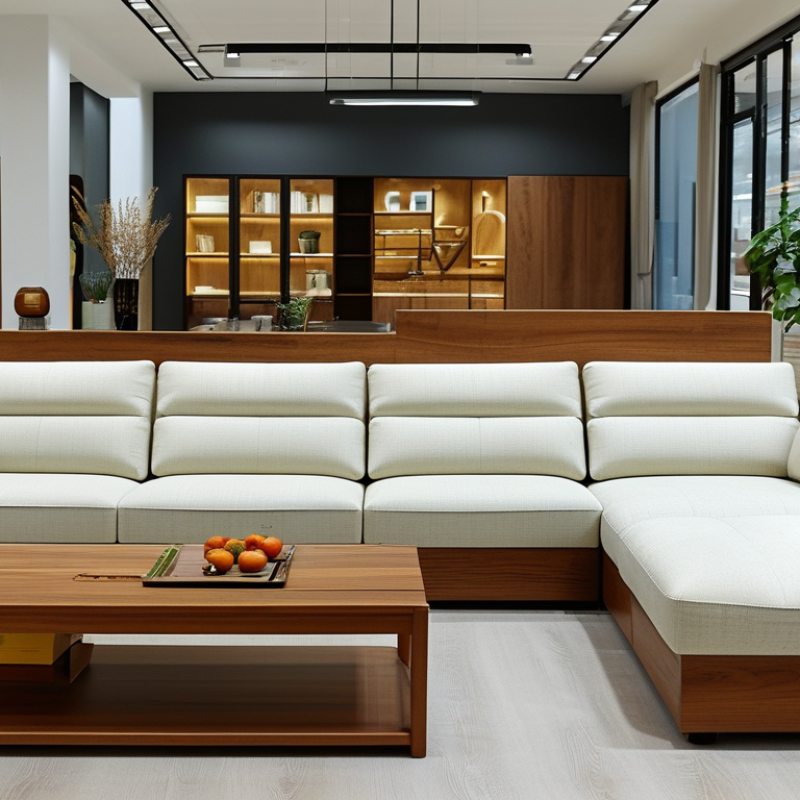
China Best Modern Furniture Manufacturers for Global Buyers?

Definition of Modern Furniture Manufacturing in China

China’s modern furniture manufacturing combines contemporary design with organized industrial production. Modern furniture usually features clean lines, practical forms, neutral colors, and limited decoration. However, the term is not perfectly fixed. A factory may interpret “modern” through minimalist tables, modular sofas, or mixed-material storage units.

In China, production often connects design development, material sourcing, machining, assembly, and quality inspection. Common materials include engineered wood, solid timber, metal, glass, and upholstery fabrics. Experienced manufacturers normally prepare technical drawings, finish samples, load tests, and packaging checks before mass production. Small details matter. A drawer should slide evenly. A tabletop should feel stable. Edges should remain smooth after repeated handling.

Global buyers should assess more than photographs. They need to review material specifications, production capacity, inspection records, and export packaging. Compliance requirements can differ between markets, especially for fire safety, chemical emissions, and product labeling. Factory visits or independent inspections can provide useful evidence, although neither method is flawless. Some suppliers present excellent samples but struggle with consistent volume production. Others offer strong manufacturing skills but limited design communication. Clear specifications, approved samples, and documented revisions reduce these risks. Even then, buyers should leave room for review, because modern furniture depends on both visual balance and everyday performance.

Key Regions and Production Hubs for Modern Furniture

China’s modern furniture industry is concentrated in several strong production hubs. Foshan and Shunde are well known for sofas, dining sets, bedroom furniture, and complete interior collections. Their dense supplier networks can shorten sampling and production timelines. Dongguan focuses on upholstered furniture, metal frames, and export-oriented manufacturing. Shenzhen adds design support, material sourcing, and convenient international logistics.

Zhejiang’s Anji is a major center for chairs, especially office, dining, and lounge seating. Jiangsu and Zhejiang also offer skilled wood processing and panel furniture production. Buyers should compare each region with their product needs. A chair factory may not have the right experience for complex modular sofas. Factory visits can reveal useful details, such as stitching quality, warehouse discipline, moisture control, and packaging methods. Photos alone are not enough.

Tips:

Request a recent sample before placing a large order. Check foam density, fabric rub resistance, frame joints, and carton protection. Ask for production timelines in writing. A low quotation may hide weaker materials or limited quality checks. No factory is perfect, and even experienced suppliers can miss details during busy seasons. Leave time for corrections. It is also wise to inspect a pre-shipment sample, because small color differences can appear between approved samples and mass production.

How to Evaluate Chinese Furniture Manufacturers

China’s Best Modern Furniture Manufacturers for Global Buyers?

Evaluating Chinese furniture manufacturers requires more than comparing online prices. Start with factory evidence. Ask for a current business license, production address, export experience, and recent project references. A video tour helps, but an in-person visit reveals more. Check cutting areas, sanding rooms, upholstery stations, and finished-goods storage. Dust on samples may show weak housekeeping. That detail matters.

Request a production sample before signing a large order. Inspect drawer alignment, welds, edge banding, fabric tension, and surface consistency. Ask which materials are used and whether test reports support their claims. Confirm moisture control for wood and packaging protection for long-distance shipping. A reliable manufacturer should explain its inspection process clearly. It should also accept reasonable third-party quality checks.

Review capacity, lead times, payment terms, replacement procedures, and communication habits. Ask how defects are recorded and corrected. Small delays in replies can become expensive later. My own first checklist was too neat; it focused on certificates and missed worker skill. That was a mistake. Speak with the actual production manager when possible. Compare the approved sample with mass-production photos, not only polished showroom images. Keep every specification in writing, including dimensions, finishes, tolerances, labeling, and delivery responsibilities. Good judgment often comes from noticing what the factory avoids answering.

Product Categories, Materials, and Customization Options

China’s modern furniture manufacturers serve global buyers across sofas, dining sets, bedroom furniture, office systems, and compact storage. Grand View Research valued the global furniture market at about USD 516.66 billion in 2022, with continued growth projected through 2030. This scale supports broad factory capabilities, but quality still varies between suppliers.

Material selection should match the room and shipping conditions. Solid oak, ash, rubberwood, plywood, MDF, stainless steel, aluminum, glass, and performance fabrics are common options. Plywood often offers better dimensional stability than standard particleboard. Powder-coated metal can resist scratches, though poor surface preparation may cause early peeling. Small details matter. Check edge sealing, weld consistency, foam density, fabric abrasion ratings, and hardware cycles. The Business Research Company also identifies residential and commercial demand as major furniture-market growth drivers, increasing interest in durable, adaptable products.

Customization may include dimensions, finishes, colors, upholstery, packaging, branding, and modular layouts. Request CAD drawings, material samples, pre-production prototypes, and an inspection checklist before mass production. The International Trade Centre’s trade data can help buyers compare furniture export patterns and target sourcing markets. However, a polished sample can still hide production weaknesses. Ask for batch photos and independent inspections. I would also test assembly instructions with someone unfamiliar with the product. If they struggle, overseas customers probably will too.

China Modern Furniture Manufacturers for Global Buyers

Product categories commonly sourced from China include living-room furniture, bedroom furniture, dining furniture, office furniture, and outdoor furniture. Buyers can typically request changes to dimensions, finishes, upholstery, hardware, packaging, and compliance specifications.

The chart compares representative density values for materials frequently used in modern furniture. Density is shown in kilograms per cubic metre; the figures are typical engineering ranges represented by midpoint values, so actual values vary by species, grade, moisture content, and manufacturing process.

Product Categories

Living room, bedroom, dining, office, hospitality, and outdoor furniture.

Material Choices

Solid wood, plywood, MDF, metal, glass, stone, leather, and performance fabrics.

Customization Options

Dimensions, colors, surface finishes, upholstery, logos, packaging, and compliance requirements.

Export Standards, Pricing, and Global Buyer Considerations

Global buyers should judge modern furniture manufacturers by export discipline, not showroom style alone.

UN Comtrade data for 2023 places China among the leading exporters in HS 94, covering furniture, lighting, and related products. That scale supports competitive pricing, but it does not guarantee consistent quality.

Factory audits should review ISO 9001 procedures, material traceability, moisture control, and final inspection records. For wood products, FSC chain-of-custody documentation may support responsible sourcing claims.

Target-market testing also matters. Panels may require E1 or TSCA Title VI formaldehyde compliance, while seating can require EN 12520 or EN 16139 testing. Standards are not decorative paperwork.

Pricing needs a landed-cost view.

Compare material grade, hardware, packaging, tooling, minimum order quantity, and Incoterms. A low EXW quote can become expensive after inspection, inland transport, insurance, and ocean freight.

The World Bank’s 2023 Logistics Performance Index scored China at 3.7 out of 5, showing strong logistics capacity but not perfect reliability. Buyers should request carton dimensions, loading plans, and recent damage ratios before approving production.

A practical benchmark is a sealed sample carton tested through handling and vibration. It feels simple, yet many purchasing teams skip it.

Payment terms also deserve caution. Smaller deposits may reduce exposure, but they can increase unit prices or weaken production priority. Even experienced buyers sometimes compare quotes too quickly. That mistake is expensive.