Top Sectional Sofa With Chaise for Global Buyers
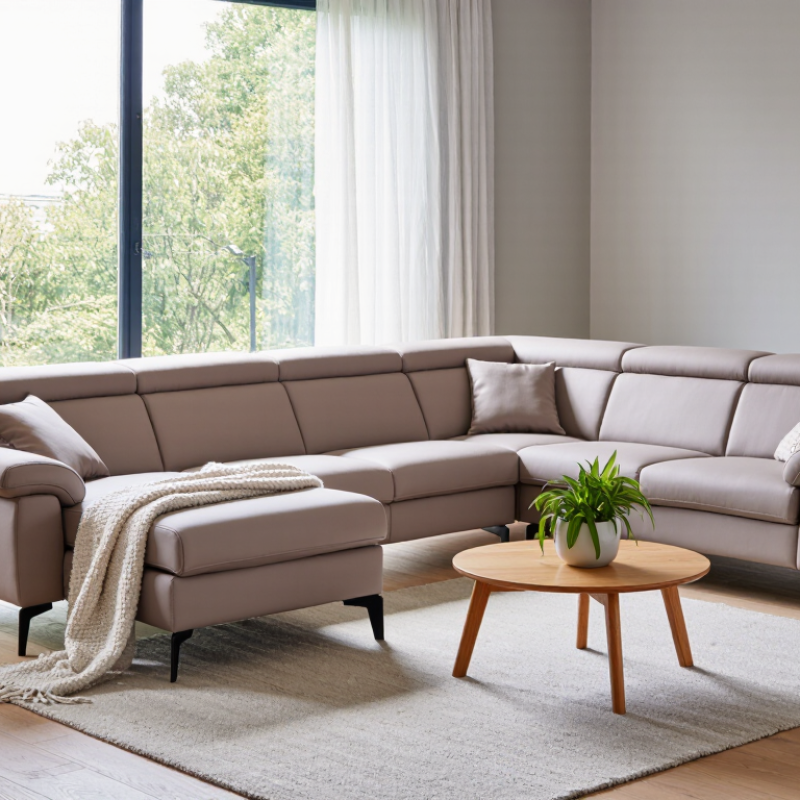
Choosing the right sectional sofa with chaise can reshape how a living room feels, functions, and welcomes guests. Global buyers often compare comfort, materials, dimensions, delivery terms, and long-term value before placing an order. A chaise may create a relaxed reading corner, while a reversible design can suit changing room layouts. Measure the doorway, elevator, stair turns, and final placement area carefully. A beautiful sofa is useless if it cannot enter the home.
Quality deserves closer inspection. Look for kiln-dried hardwood or reinforced steel frames, supportive suspension, dense foam, and durable upholstery. Performance fabric can resist everyday spills, but no material is completely maintenance-free. Check stitching, cushion zippers, frame warranties, and replacement-part policies. These details reveal more than polished product images. They also help buyers compare suppliers with greater confidence across different markets.
Comfort remains personal. Firm cushions may support long sitting, while softer fillings feel inviting during family movie nights. Test the seat depth, chaise length, arm height, and back angle whenever possible. If testing is unavailable, request fabric samples and detailed specifications. Reviews can provide useful evidence, although some may describe different versions of the same model. That limitation matters.
Shipping conditions require equal attention. Confirm packaging dimensions, assembly requirements, delivery access, taxes, and return responsibilities. Regional preferences also vary, including upholstery textures, color choices, and seating proportions. A sand-colored fabric may suit a bright apartment, while charcoal leather can handle a more formal setting. Small decisions matter. The best choice balances verified construction, practical comfort, adaptable design, and dependable after-sales support, even when the buying process feels less certain than expected.
What Defines a Top Sectional Sofa With Chaise
A top sectional sofa with chaise is defined by more than appearance. It must support daily living, not just impress in photographs. In practical showroom checks, comfort begins with seat proportions. A seat depth of 22 to 25 inches supports relaxed sitting without forcing the knees upward. The back should hold the shoulders naturally. Sit for ten minutes. That small test reveals pressure points quickly. Firm foam can feel supportive at first, while very soft cushions may flatten sooner than expected. I have found that comfort is personal, so showroom ratings cannot replace real use.
A dependable frame usually combines kiln-dried hardwood with reinforced joints. The frame should not twist when one corner is lifted. The chaise must also remain stable when someone sits near its edge. For global buyers, modular dimensions matter greatly. Check doorways, elevators, stair turns, and local assembly access before ordering. Fabric performance deserves equal attention. A removable cover sounds practical, but zippers, seams, and washing instructions need inspection. Sunlight can alter color over time. Ask for material composition, cushion density, care requirements, and clear warranty terms. No sofa is perfect. A left-facing chaise may suit today’s room, but furniture layouts can change. Reversible components offer flexibility, although their connections may feel less seamless. Balance comfort, construction, maintenance, and delivery realities before choosing.
Key Features Global Buyers Should Compare
Top Sectional Sofa With Chaise for Global Buyers
Key Features Global Buyers Should Compare
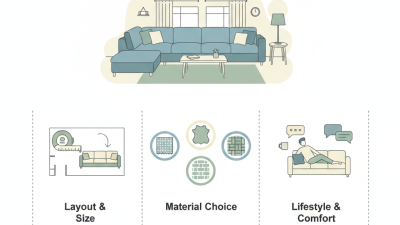
A sectional sofa with chaise should fit the room before it impresses the eye. Measure the wall, doorway, elevator, and stair turns carefully. Measure twice. A deep chaise can feel luxurious, but it may restrict walking space in smaller homes. Compare the full width, seat depth, back height, and chaise orientation. Reversible chaise designs offer flexibility when layouts change. Modular pieces help with narrow entrances and future relocation.
Materials deserve close inspection. Look for a strong internal frame, stable joints, and cushions that recover after sitting. High-density foam usually offers firmer support, while feather blends feel softer but may need frequent reshaping. Test the depth. Sit upright, then stretch out. Durable woven fabric can suit busy households, while removable covers simplify cleaning. Still, removable does not always mean machine washable, so check the care instructions.
Confirm whether measurements include armrests and detachable legs. Ask how replacement covers or hardware can be obtained in your region. I once underestimated a corridor turn, and the sofa needed partial assembly indoors. That mistake changed my checklist. Comfort remains personal, and showroom lighting can mislead. Read independent customer feedback, especially comments about long-term sagging, color variation, and delivery damage. Looks matter. Reliability matters more.
How to Choose the Right Size and Configuration
Choosing a sectional sofa with chaise begins with room measurements, not style. Measure wall length, doorway width, elevator depth, and walking paths. Keep at least 30–36 inches for comfortable circulation. For smaller apartments, a chaise around 55–65 inches deep usually preserves usable floor space. Larger rooms can support a 110–130-inch sectional, but only after checking every delivery turn.
Global furniture demand is expanding. Grand View Research valued the global home furniture market at about USD 560.85 billion in 2023. However, market growth does not make every configuration suitable. A left-arm chaise may work in one home and block a balcony in another. Select a reversible chaise when floor plans may change.
Consider modular pieces for narrow staircases and international shipping. The 2024 Houzz & Home Study also shows that homeowners continue investing in improved living spaces, yet renovation choices remain strongly tied to room function. I sometimes overestimate visual balance. Real measurements are less forgiving.
Tips: Mark the sofa footprint with masking tape. Sit inside the outline for ten minutes. Check whether knees, doors, and tables still have clearance. Confirm seat height, depth, and cushion firmness before ordering. A paper template helps. It is not perfect, but it reveals awkward proportions early. For global buyers, request packed dimensions, assembly details, fabric-care instructions, and local electrical-free delivery terms. Sofa comfort is personal. Configuration is measurable.
Materials, Comfort, and Durability Considerations
A sectional sofa with chaise must balance softness, structure, and daily abuse. CSIL’s 2024 World Furniture Outlook estimates global furniture consumption at over 500 billion US dollars. That scale reflects diverse homes, climates, and shipping routes. Buyers should inspect kiln-dried hardwood or reinforced engineered frames, not rely on attractive fabric alone. Loose joints often appear after repeated sitting.
Material choice changes comfort quickly. High-resilience foam, ideally above 30 kg/m³, usually offers better recovery than low-density foam. A 2023 Grand View Research report identifies upholstery as a major segment within the global furniture market. That growth makes fabric testing more important. Look for abrasion results, colorfastness data, and removable covers. However, high abrasion ratings do not guarantee a pleasant hand feel. A rough fabric can survive years and still feel disappointing.
Durability needs evidence. BIFMA seating standards evaluate structural strength and repeated-use performance, although household sofas may not carry identical certification. Ask for test methods, frame warranties, and replacement-cover availability. Performance fabrics help in homes with pets or children, but coatings can reduce breathability. In humid regions, quick-drying cushions and mold-resistant construction deserve attention. Comfort is personal. A 45-centimeter seat height may suit many adults, yet shorter users can feel unsupported. I have found showroom comfort misleading after ten minutes. Measure your posture at home, and question any specification that lacks test conditions.
Shipping, Assembly, and International Buying Factors
Top Sectional Sofa With Chaise for Global Buyers
Shipping and assembly can determine whether a sectional sofa feels convenient or troublesome. Measure doorways, elevators, stair turns, and the final room before ordering. Modular pieces usually travel more easily than one large frame. Ask for each carton’s dimensions, weight, and packing method. This information helps freight teams plan safely and reduces unexpected handling fees.
International buyers should confirm delivery terms, import duties, taxes, and local clearance responsibilities in writing. These costs vary by destination and may not appear in the listed sofa price. Check whether the fabric suits your climate, especially in humid or very dry regions. Assembly instructions should show clear diagrams, screw locations, and chaise orientation. Some models need two adults and basic tools. Others require more patience than expected. That detail is easy to overlook.
Tips: Request a complete packing list before payment. Photograph every carton when it arrives. Inspect frames, legs, fabric, and connectors before signing delivery documents. Keep the packaging until the sofa is fully assembled. If a component is damaged, clear photos and carton labels can speed up support. I would also test the chaise position before tightening every connector. Reversing it later may be inconvenient.
| Buying Dimension | Recommended Specification | Why It Matters for Global Buyers | Shipping and Assembly Considerations | Practical Check Before Ordering |
|---|---|---|---|---|
| Overall Sofa Width | Approximately 240–330 cm for a standard three- to four-seat sectional with chaise. | Affects room planning, freight volume, elevator access, and doorway clearance. | Long, rigid frames may require special handling or may not fit through narrow entrances. | Measure the destination room, entry door, stairwell, lift, and hallway turns. |
| Chaise Length | Approximately 150–190 cm from the main seating line to the front edge of the chaise. | Determines legroom and how much floor space remains for circulation. | Reversible chaise designs can simplify room layout and reduce the risk of ordering the wrong orientation. | Confirm whether the chaise is left-facing, right-facing, or reversible when viewed from the front. |
| Seat Height | Usually about 42–48 cm from the floor to the top of the seat cushion. | Influences comfort, accessibility, and compatibility with coffee tables and other furniture. | Compressed cushions may temporarily measure lower after unpacking and need time to recover. | Compare the seat height with the user’s preferred chair height and leg position. |
| Seat Depth | Approximately 55–70 cm, excluding back cushions. | Deeper seats support lounging, while shallower seats are often easier for upright sitting. | Loose back cushions can reduce usable depth and may shift during international transport. | Check both the published seat depth and the usable depth with cushions installed. |
| Packaging Format | Prefer modular sections packed separately, with removable legs and detachable cushions. | Multiple cartons generally improve access to apartments and reduce handling difficulty. | Carton count, carton dimensions, and gross weight affect freight quotes and import handling. | Request carton dimensions, carton weight, total volume, and the number of packages. |
| Typical Packed Volume | Roughly 2.5–5.5 m³ for a medium to large modular sectional, depending on design and packaging. | Volume is a major cost factor for sea freight, air freight, storage, and last-mile delivery. | Vacuum-packed or compressed cushions may reduce volume, but solid frames still require substantial space. | Use the supplier’s measured packed volume rather than an estimate based only on sofa dimensions. |
| Transport Method | Sea freight is generally suitable for bulky orders; air freight is faster but usually much more expensive. | The best option depends on order size, delivery urgency, destination, and total landed cost. | Sea shipments require port handling and inland delivery; air shipments may use dimensional weight. | Compare door-to-door quotations, transit time, customs treatment, and delivery appointment terms. |
| Shipping Terms | Common options include EXW, FOB, CIF, DAP, and DDP, subject to the agreed contract. | Different terms allocate transport, insurance, customs, tax, and delivery responsibilities differently. | Delivered prices may exclude destination duties, local taxes, storage, inspection, or residential surcharges. | Ask for a written breakdown of product price, freight, insurance, duties, taxes, and final delivery. |
| Import Documentation | Typically includes a commercial invoice, packing list, transport document, and any required origin or compliance documents. | Accurate paperwork helps prevent customs delays, valuation disputes, and delivery holds. | Document requirements vary by destination and may depend on upholstery materials, wood components, and packaging. | Confirm the importer of record, tariff classification, required labels, and local customs procedures. |
| Frame Construction | Look for kiln-dried wood, engineered wood, or metal components with clearly stated structural support. | Frame design affects durability, weight, repairability, and long-term stability. | Heavier frames increase freight weight; modular joints must be protected against impact and movement. | Request information about frame materials, joint construction, support rails, and weight capacity. |
| Cushion Filling | Common options include polyurethane foam, fiber wrap, pocketed inserts, or combinations of these materials. | Filling influences firmness, resilience, comfort, and maintenance requirements. | Compression packaging can cause temporary creasing or unevenness; cushions commonly need 48–72 hours to recover. | Confirm foam density or firmness rating, cushion maintenance instructions, and replacement availability. |
| Upholstery Selection | Choose fabric, leather, or synthetic upholstery according to climate, cleaning needs, and intended use. | Humidity, sunlight, pets, children, and local cleaning practices can affect service life. | Colors may vary between samples and production batches; fabric swatches are useful before final approval. | Request abrasion data, cleaning code, colorfastness information, and a physical material sample. |
| Fire and Chemical Compliance | Confirm compliance with the regulations applicable in the destination market before shipment. | Requirements may cover flammability, formaldehyde, restricted substances, labeling, and chemical content. | Non-compliant goods can be delayed, rejected, relabeled, or subject to additional testing and costs. | Obtain current test reports or declarations that identify the exact product configuration. |
| Assembly Level | Prefer tool-assisted assembly involving legs, connectors, brackets, and sectional alignment. | Simple assembly reduces labor costs and makes replacement or relocation easier. | Installation instructions should use clear diagrams and identify all hardware by size and location. | Check required tools, estimated assembly time, number of installers, and spare hardware policy. |
| Assembly Time | Approximately 30–120 minutes for a typical modular sectional, depending on size and complexity. | Time affects delivery scheduling, professional installation costs, and customer satisfaction. | Large pieces may require two adults; some residential deliveries do not include room-of-choice assembly. | Confirm whether assembly, packaging removal, and placement are included in the delivery service. |
| Delivery Access | Check the smallest packaged width, height, and diagonal clearance required for every access point. | Package dimensions can be more restrictive than the assembled sofa dimensions. | Some carriers deliver only to the building entrance, curbside, or ground-floor threshold. | Measure doors and corridors and confirm delivery restrictions for apartments, islands, or remote areas. |
| Climate and Storage | Store cartons in a dry, ventilated environment away from direct sunlight and standing water. | High humidity and temperature changes can affect fabric, foam, wood, metal, and packaging materials. | Extended storage may increase the risk of odor, mildew, compression marks, or carton deterioration. | Ask about recommended storage conditions, maximum storage duration, and inspection procedures on arrival. |
| Inspection on Arrival | Inspect carton condition, product surfaces, hardware, cushions, and frame connections before signing completion. | Early documentation improves the chance of resolving transport damage or missing parts. | Photographs of cartons, labels, damage, and unpacking stages can support a freight or warranty claim. | Record shortages or visible damage on the delivery receipt and notify the seller promptly. |
| Warranty and Spare Parts | Seek written coverage for the frame, mechanisms, upholstery, cushions, and removable components. | International warranty service may involve shipping costs, local repair limitations, and long lead times. | Replaceable legs, connectors, covers, and cushions can extend product life and simplify maintenance. | Confirm claim procedures, warranty duration, exclusions, response times, and spare-part availability. |
| Total Landed Cost | Calculate product, packaging, freight, insurance, duties, taxes, brokerage, delivery, assembly, and storage. | The lowest purchase price may not provide the lowest delivered cost. | Destination charges and residential delivery fees can be added after the initial freight quotation. | Compare complete door-to-door quotations using the same delivery address and service scope. |

Related Posts
-
Why Choose a Modular Sectional Sofa for Your Living Room Style and Comfort
-
How to Choose the Perfect Sectional Sofa for Your Home?
-
Why Choose a Sectional Sofa for Your Living Room Design?
-
2026 Top Trends for Solid Wood Dining Table Designs and Styles?
-
How to Choose the Perfect Sectional Couch for Your Living Room?
-
Transform Your Living Space: The Ultimate Guide to Choosing the Perfect Love Seat Sofa