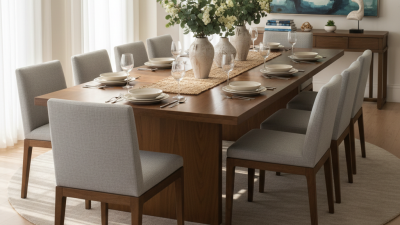
How to Choose the Right Dining Room Table in 2026?
Choosing the right dining room table in 2026 requires more than matching a showroom photograph. Your room, routines, and future needs should guide the decision. A compact apartment may need a round table with one central pedestal. A busy family home may need an extendable design, stain-resistant finish, and softened corners.
Measure the room before browsing styles. Leave about 36 inches between the table edge and nearby walls or chairs. This space allows people to pull out seats without scraping paint or bumping into furniture. Check doorway widths, stair turns, and elevator limits too. A beautiful table is useless if delivery cannot reach the dining room.
Design reformer William Morris offered a practical standard: “Have nothing in your house that you do not know to be useful, or believe to be beautiful.” That principle still works. Choose solid wood for repairability, engineered materials for stability, or recycled options when verified sourcing matters. Do not trust vague sustainability claims.
Think about daily life. Do children spill juice? Do you host six guests twice yearly? Will someone work from the table each morning? These details affect height, width, durability, and comfort. Test the table in person when possible. Sit at every side. Notice knee clearance and edge sharpness.
There is no perfect table.
Even expert advice has limits. Trends change, rooms evolve, and personal comfort can outweigh popular recommendations. This guide will examine proportions, materials, seating, maintenance, accessibility, and value, helping you choose a dining room table that feels considered rather than merely fashionable.
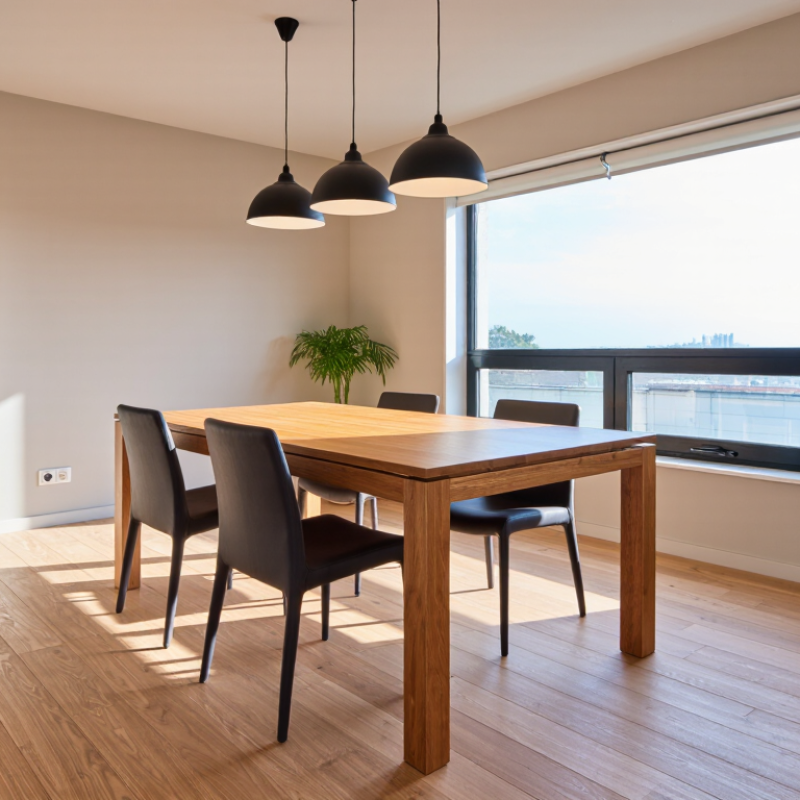
Understanding Dining Room Table Types and Core Features
How to Choose the Right Dining Room Table in 2026?
Understanding Dining Room Table Types and Core Features
Dining tables should match both your room and daily habits. Rectangular tables suit longer rooms and larger households. Round tables encourage conversation and leave fewer sharp corners. Square tables work well in compact dining areas, but they can feel crowded with four adults. Oval designs soften movement around narrow walkways. Extendable tables offer flexibility for guests, although their joining seams may collect crumbs. Measure the room before shopping, leaving about 36 inches between the table edge and nearby walls or chairs. This clearance supports comfortable walking and pulling out seats.
Table height usually sits near 28 to 30 inches, while chair seats often measure 17 to 19 inches. Check this relationship in person when possible. Your knees should fit without touching the apron underneath. A pedestal base gives more legroom, while four legs may provide stronger visual balance. Look for a stable frame, level feet, and a surface that resists ordinary spills. Solid wood can be repaired, but it may expand with humidity. Engineered surfaces often stay more consistent, yet damaged edges can be difficult to restore. I once chose a beautiful heavy table that blocked a doorway, so appearance clearly was not enough. Consider rounded edges, washable finishes, leaf storage, and the table’s weight before deciding. Some choices still involve compromise.
Assessing Room Size, Layout, and Seating Requirements
How to Choose the Right Dining Room Table in 2026?
Room size should guide your table choice before style does. Measure the room, then subtract at least 36 inches around the table for chairs and walking space. A 60-inch round table, for example, needs roughly 11 feet of clear width. That allowance can shrink in practice, especially near doors or sideboards. The International Residential Code focuses on safe access, but comfortable dining requires more than minimum clearance.
Layout matters because dining rooms rarely serve one purpose now. The Houzz 2024 U.S. Kitchen Trends Study surveyed 1,141 homeowners and reported that 76% upgraded their kitchen island. Islands often absorb casual meals, leaving the dining table for guests, homework, or special occasions. A compact rectangular table may suit a narrow room, while a round table can improve conversation in a square space. Test the shape with cardboard on the floor.
Seating needs should be calculated honestly. Allow about 24 inches of table edge per person, then add space for armchairs or high-backed chairs. A six-seat table may feel crowded when everyone uses wide dinnerware. It happens. Consider your usual meal, not an imagined holiday gathering. The National Association of Home Builders’ 2024 buyer-preference research also reflects demand for flexible, multifunctional rooms, so an extendable table may offer better daily value. Leave enough clearance for someone carrying a hot dish. Safety can change the whole layout.
Choosing the Right Table Shape, Size, and Height
Choosing a dining table starts with the room, not the catalog. I measure the floor area, door swing, and walking paths before considering style. A rectangular table suits long rooms and larger gatherings, while a round table softens tight corners and keeps conversation inclusive. Oval tables offer similar seating with less visual weight. Square tables can work beautifully, but they often feel crowded when more than four people sit down. In my experience, shape changes how a meal feels.
Allow about 24 inches of table width per diner for comfortable elbow room. Leave at least 36 inches between the table edge and nearby walls or furniture, if possible. A 60-inch rectangular table usually seats six, but chair width can change that result. Measure your actual chairs. I once planned around standard chair sizes and regretted it when wider upholstered seats blocked the walkway. A paper outline on the floor is a surprisingly reliable test. Measure twice.
Table height deserves equal attention. Most dining tables stand 28 to 30 inches high, matching ordinary dining chairs. Counter-height tables are commonly 34 to 36 inches, while bar-height versions reach 40 to 42 inches. Check the distance from the seat to the tabletop; roughly 10 to 12 inches feels workable for many adults. Children, wheelchair users, and guests with limited mobility may need different clearances. Comfort matters. Recheck measurements after adding rugs, table leaves, or floor protectors. My own early measurements were too optimistic.
Comparing Materials, Construction, and Long-Term Durability
Choosing the Right Dining Room Table in 2026
A dining table should match your daily habits, not only your room’s style. Solid wood offers warmth, repairability, and visible character. However, it can expand or shrink with seasonal humidity. Engineered wood often provides better dimensional stability, but damaged edges may be difficult to restore. Glass creates a lighter visual effect and cleans quickly. It also reveals fingerprints, crumbs, and careless cleaning. Stone surfaces resist heat and scratches, yet they can chip at corners and require stronger floor support.
Construction matters as much as material. Examine the underside, leg joints, and table edges. Mortise-and-tenon joints or reinforced metal brackets usually handle movement better than basic screws. Sit down and gently push the table. Excessive rocking is a warning sign. I once chose a beautiful table with weak corner supports. It looked perfect for months, then developed a slight wobble. That mistake changed how I judge furniture.
Tips: Measure walking space, not just tabletop length. Leave about 36 inches around the table when possible. Check whether replacement hardware is available. Ask how the finish reacts to water, heat, and regular cleaning. For wood, inspect the grain and finish consistency. Small imperfections can be honest signs of natural material, but uneven joints deserve caution. Consider your chairs too. Heavy chairs can stress delicate aprons over time. A durable table is not indestructible. It needs sensible use, stable indoor conditions, and occasional maintenance.
Balancing Style, Budget, Maintenance, and Future Needs
How to Choose the Right Dining Room Table in 2026?
A dining table should fit real life, not only a showroom photograph. Measure the room, then leave at least 36 inches for comfortable chair movement. A 60-inch rectangular table usually seats six, but thick legs can reduce usable space. I once chose a beautiful pedestal table with a fragile finish. It looked refined, but daily cleaning became irritating. That mistake still influences my buying decisions.
Budget should include delivery, chairs, surface protection, and future repairs. The U.S. Bureau of Labor Statistics tracks household furnishings as a separate consumer spending category, reminding buyers that furniture competes with other home costs. Spend more on structural quality when the table will serve several generations. Spend less on decoration that can be replaced. Solid wood may age well, but it can require oiling and careful humidity control. Veneer can be practical, although damaged edges are harder to restore.
Maintenance also affects indoor comfort. The U.S. Environmental Protection Agency reports that indoor pollutant levels can be two to five times higher than outdoor levels, so low-emission finishes deserve attention. Ask for material and finish information. Future needs matter too. AARP’s 2021 Home and Community Preferences Survey found that 77% of adults aged 50 and older want to remain in their current homes. Choose adaptable dimensions, sturdy joints, and a design that can handle changing mobility. My only doubt: “timeless” style is often just delayed regret. Test the table with your own plates, elbows, and cleaning cloth before purchasing.
How to Choose the Right Dining Room Table in 2026?
Balancing style, budget, maintenance, and future needs starts with understanding how long different table materials typically remain practical in everyday use.
The figures show typical planning estimates for a well-maintained dining table. Solid wood and stone generally offer the longest service life, while laminate and veneer options usually provide a lower-cost choice with shorter replacement cycles. Actual durability depends on construction quality, household usage, moisture, heat, and maintenance.