Skip to Content
chevron-left chevron-right chevron-up chevron-right chevron-left arrow-back star phone quote checkbox-checked search wrench info shield play connection mobile coin-dollar spoon-knife ticket pushpin location gift fire feed bubbles home heart calendar price-tag credit-card clock envelop facebook instagram twitter youtube pinterest yelp google reddit linkedin envelope bbb pinterest homeadvisor angies

What Is a Dining Table Set and What Does It Include?

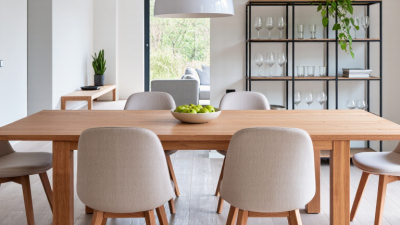
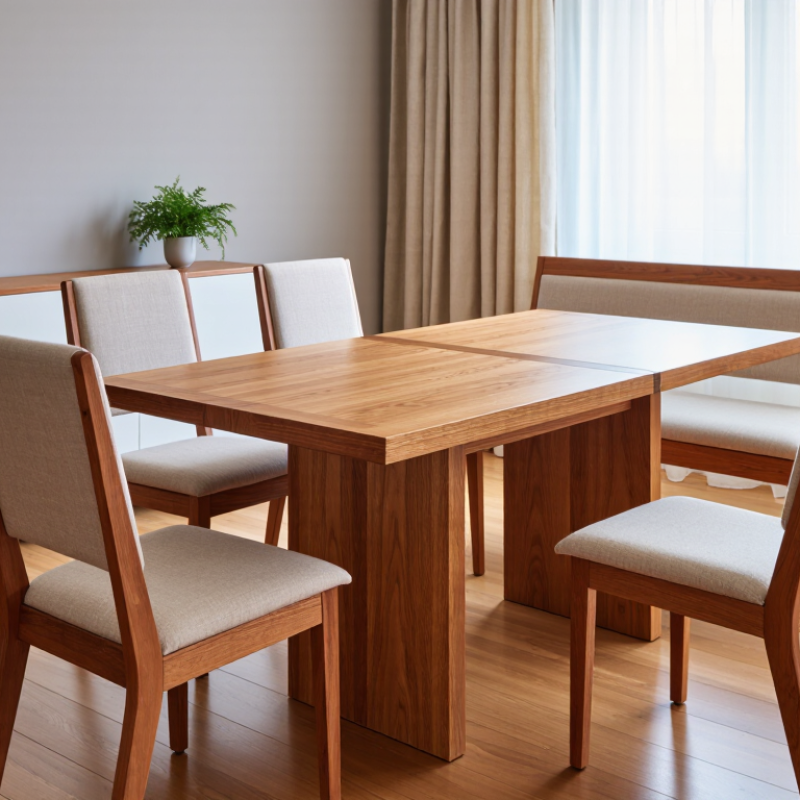
A dining table set is a coordinated group of furniture designed for shared meals, conversation, and everyday living. In most cases, it includes one dining table and several matching chairs. Some sets also contain benches, extendable leaves, or storage pieces. The exact combination depends on the manufacturer, room size, and intended use.

A typical set may include a rectangular, round, square, or oval table. Chairs often match the table’s material, finish, and design. For example, a solid wood table might come with upholstered chairs, while a compact apartment set may use metal frames and molded seats. A bench can fit neatly against a wall and provide flexible seating. Check the product description carefully. Photos can be slightly misleading.

From practical buying experience, the listed seating capacity matters more than appearance alone. A four-person set may feel comfortable in a small breakfast area, but six diners need enough elbow room. Measure the room, doorways, and walking space before ordering. Standard dining tables are often about 28 to 30 inches high, although styles vary. Chair height should allow comfortable legroom beneath the tabletop.

Not every “complete” set includes every visible item. Lighting, rugs, tableware, and decorative accessories are usually sold separately. Some buyers also discover that assembly tools or replacement hardware are limited. That detail deserves attention. Understanding what a dining table set includes makes comparison easier, prevents unexpected costs, and supports a more comfortable, dependable dining space.
What Is a Dining Table Set and What Does It Include?

Definition and Purpose of a Dining Table Set

What Is a Dining Table Set and What Does It Include?

A dining table set is a coordinated group of furniture designed for eating, conversation, and shared daily routines. It usually includes one dining table and matching or complementary chairs. Some sets also contain benches, stools, or an extendable table leaf.

The table provides a stable surface for plates, serving dishes, homework, and quiet conversations. The seats provide support and enough room for comfortable movement.

Its purpose is practical, but not purely functional. A well-chosen set helps define how people use a dining area. For example, a compact round table can improve movement in a small apartment, while a rectangular table may suit frequent family meals.

In my experience arranging dining spaces, seat height and table clearance matter more than appearance alone. Most dining chairs work best when they allow roughly 25 to 30 centimeters between the seat and tabletop. Small details matter.

A dining table set does not need identical pieces. Mixed chairs can work if their heights and visual proportions remain balanced. This is where many descriptions become too simple.

A set may look complete in a showroom, yet feel crowded at home. Measure the room, doorways, and walking paths before buying. Leave enough space to pull out a chair without striking a wall. The ideal set supports real habits, although no arrangement works perfectly for every household.

Core Components Included in a Dining Table Set

What Is a Dining Table Set and What Does It Include?

A dining table set usually includes one table and matching seating. The table is the main component, with a top, legs, supports, and connecting hardware. Some designs include an extension leaf for larger meals. Check whether the leaf stores inside the table or separately. That small detail affects daily convenience.

Chairs are commonly included, often two, four, or six pieces. A complete chair should have a stable frame, level legs, and properly fitted seat hardware. Some sets replace chairs with a bench, which can save space on one side.

I recommend checking seat height against the tabletop before buying. Around 10 to 12 inches of knee clearance usually feels practical, but body shape and chair padding still matter.

The package may also contain assembly tools, care instructions, floor protectors, and spare screws. These items are easy to overlook. They should not be. A protective pad under each leg can reduce scratches on hard flooring.

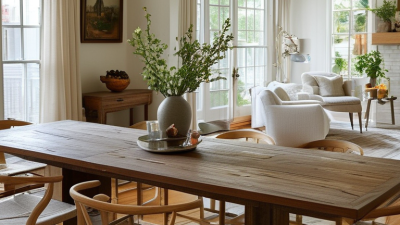
Materials also deserve close attention. Solid wood may show natural color changes, while engineered panels can offer consistent surfaces and easier maintenance. I have seen attractive sets feel uncomfortable because the chair backs were too upright. Appearance is only part of the decision.

Measure your dining area, leave walking space, and inspect every joint after assembly.

Measure twice. A set can look complete, yet still need adjustments.

Common Dining Table Set Styles and Configurations

A dining table set usually includes one table and matching seating, such as chairs or benches. Some sets also include a side bench, stools, or an extension leaf. The configuration depends on room size, household habits, and serving needs.

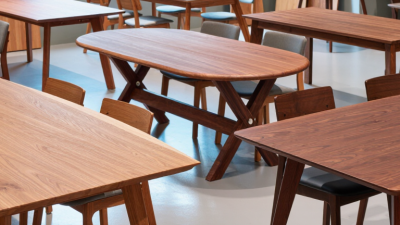
A rectangular table suits long rooms and larger gatherings. It also leaves clear space along the walls. A round table encourages conversation and works well in compact dining areas. However, its central footprint can feel larger than expected.

Square tables create a balanced look in small rooms, especially for four diners. Drop-leaf designs provide flexibility when daily space is limited. Extendable tables are useful for guests, but their leaf storage deserves attention.

I once underestimated that detail. A missing storage spot can turn a convenient design into a daily nuisance. Counter-height sets offer a casual feel, while standard-height sets are usually easier for children and older adults.

Seating changes the practical experience. Chairs provide individual support and easier movement. Benches fit more people, but not always comfortably. Allow about 24 inches of table width per diner, and keep roughly 36 inches for walking space.

Check the table’s leg placement before buying. Trestle legs may improve knee room, while corner legs can obstruct chairs.

Solid wood, engineered wood, glass, and metal each require different care. Look for stable joints, smooth edges, and a finish that resists ordinary spills.

No setup is perfect. A beautiful set may still feel cramped during a real family meal.

How to Choose the Right Dining Table Set

What Is a Dining Table Set and What Does It Include?

How to Choose the Right Dining Table Set

A dining table set usually includes one table and matching chairs. Some sets include benches instead. The right choice depends on space, habits, and daily comfort, not only appearance. Measure the room before shopping. Leave at least 36 inches between the table edge and nearby walls or furniture. This allows people to pull out chairs safely.

Household size offers a useful starting point. The U.S. Census Bureau reported a median household size of 2.5 people in 2023. A compact four-seat set may suit a small home, while an extendable table offers better flexibility for guests. Check the table height, chair seat height, and leg placement together. Your knees should fit comfortably beneath the tabletop. Small details matter.

Material affects maintenance and lifespan. Solid wood can often be repaired, while veneer may need gentler cleaning. Glass creates a lighter visual effect but shows fingerprints quickly. I once chose a table that looked elegant, yet its sharp corners were inconvenient in a narrow room. That was poor planning. According to Grand View Research, the global home furniture market was valued at about $649.7 billion in 2023. The EPA also reported 12.1 million tons of furniture and furnishings waste in 2018. These figures support choosing durable construction over short-lived trends. Check joinery, hardware, warranty terms, and replacement parts before buying.

Materials, Maintenance, and Long-Term Use

A dining table set usually includes a table and matching chairs, although some sets add benches or storage pieces. Materials strongly influence comfort, appearance, and service life. Solid wood can be repaired and refinished, but it may expand or shrink with humidity. Veneer offers a stable surface, yet deep scratches can expose the layer beneath. Glass looks light and modern, but fingerprints appear quickly.

Daily maintenance should match the material. Wipe wood with a soft, slightly damp cloth, then dry it immediately. Avoid soaking joints and placing hot pans directly on the surface. Use coasters, placemats, and felt pads under decorative objects. Glass needs a non-abrasive cleaner and careful attention to edge chips. Metal frames usually need simple dusting, but moisture can still encourage corrosion.

Long-term use depends on construction, not appearance alone. Check that the table does not wobble and that chair joints feel tight before buying. Screws may loosen after months of movement. Tightening them early prevents larger repairs. Keep furniture away from radiators and strong sunlight when possible. Even careful owners make mistakes. I once underestimated how quickly a damp tablecloth could mark unfinished wood. That small lesson changed my maintenance routine. Inspect the set every few months, especially after moving it or hosting a large meal.

What Is a Dining Table Set and What Does It Include? - Materials, Maintenance, and Long-Term Use

Set Type or Material What the Set Commonly Includes Typical Characteristics Routine Maintenance Typical Long-Term Use Important Considerations
Complete Dining Set One dining table and a matching number of chairs, commonly two, four, six, or eight. Designed for coordinated appearance, compatible proportions, and convenient purchasing. Clean the tabletop and chair surfaces regularly; tighten hardware when necessary. Often suitable for everyday meals when the materials and joints are properly maintained. Check the table dimensions, chair count, seat height, and available floor space before purchase.
Solid Hardwood A solid-wood table with matching wood chairs or upholstered chairs supported by wood frames. Strong, repairable, and visually distinctive; natural wood may expand and contract with humidity. Wipe spills promptly, use coasters and placemats, and follow the finish manufacturer’s cleaning instructions. Many decades are possible with sound construction, stable indoor conditions, and occasional refinishing. Avoid prolonged moisture, direct heat, and extreme humidity changes that can cause movement or cracking.
Wood Veneer A table made with a thin real-wood surface over a stable core, usually paired with coordinated chairs. Provides a natural wood appearance with generally greater dimensional stability and lower material use than solid wood. Use a soft, slightly damp cloth; avoid abrasive cleaners, standing water, and excessive heat. Typically provides many years of service when the veneer remains sealed and free from deep damage. Deep scratches and sanding can expose the core, so refinishing options may be more limited than with solid wood.
Laminate or Melamine A manufactured tabletop with a decorative, wear-resistant surface and matching chairs, often with metal or engineered-wood frames. Usually affordable, easy to clean, and available in many colors and patterns. Wipe with mild soapy water and dry the edges; do not use abrasive pads or allow water into seams. Commonly appropriate for several years of regular household use, depending on edge and surface quality. The surface resists everyday stains well, but chipped edges and heat damage can be difficult to repair invisibly.
Tempered Glass A glass tabletop supported by wood or metal legs, usually paired with chairs that complement the frame. Creates a visually light appearance and does not absorb liquids, but fingerprints and smudges are noticeable. Use a soft cloth and glass cleaner suitable for the surface; avoid impacts on corners and abrasive materials. Can remain serviceable for many years if the glass and supporting hardware are protected from impact. Tempered glass is stronger than ordinary glass but can still break from severe impact or damaged edges.
Engineered Stone A manufactured stone or composite tabletop with a supporting base and coordinated chairs. Dense, heavy, and generally resistant to everyday stains; the exact performance depends on the material and finish. Clean with a soft cloth and a manufacturer-approved neutral cleaner; use trivets and avoid harsh chemicals. Often offers long service life when the base is properly supported and the surface is not subjected to severe impact. Its weight can make installation and relocation difficult, and corners may chip if struck.
Metal-Framed Set A tabletop supported by a steel or aluminum frame, with matching metal, wood, plastic, or upholstered chairs. Offers strong structural support and a contemporary appearance; outdoor suitability depends on the coating and design. Dust regularly, wipe spills promptly, and inspect joints and coated surfaces for scratches or corrosion. Can provide many years of use indoors when fasteners remain secure and protective coatings are intact. Unprotected steel may rust in damp environments; metal surfaces can also feel cold and may transmit noise.
Extendable Dining Set A table with removable leaves, hinged extensions, or a built-in extension mechanism, plus matching chairs. Allows a compact everyday footprint while providing additional seating for guests. Keep extension tracks clean, store removable leaves flat when possible, and check alignment periodically. Can remain useful for many years when extension hardware is not overloaded and is operated correctly. Measure both the closed and fully extended sizes, including the space required for chairs and walking paths.

Note: Long-term-use estimates are general guidance rather than guarantees. Actual service life depends on construction quality, finish, indoor humidity, frequency of use, cleaning methods, and exposure to heat or moisture.