Skip to Content
chevron-left chevron-right chevron-up chevron-right chevron-left arrow-back star phone quote checkbox-checked search wrench info shield play connection mobile coin-dollar spoon-knife ticket pushpin location gift fire feed bubbles home heart calendar price-tag credit-card clock envelop facebook instagram twitter youtube pinterest yelp google reddit linkedin envelope bbb pinterest homeadvisor angies

2026 Top Solid Wood Dining Table Types for Global Buyers

Choosing a dining table in 2026 involves more than comparing colors and prices. Global buyers now examine wood origin, construction quality, finish safety, and long-term durability. A solid wood dining table can become the visual center of a home, restaurant, or hospitality project. It also carries practical responsibilities during shipping, installation, and daily use.

This guide introduces the leading solid wood dining table types for international buyers. It considers oak, walnut, teak, acacia, rubberwood, and other widely traded materials. Each wood offers different grain patterns, hardness, moisture behavior, and maintenance needs. A close look at the tabletop edge can reveal careful craftsmanship. Clean joinery matters. So does stable moisture content.

Small details matter.

Experienced sourcing teams usually request material specifications, product drawings, finish samples, and packaging photographs. They also review factory quality controls and ask how the table performs in humid or dry environments. These steps reduce surprises after delivery. However, no table is perfect. Natural wood may show knots, color variation, or minor movement over time. Some buyers overlook this reality when chasing a flawless appearance.

The following sections compare table shapes, wood species, construction methods, and design trends. They also discuss size planning for apartments, dining rooms, restaurants, and commercial spaces. Reliable purchasing depends on evidence, not attractive pictures alone. Buyers should verify dimensions, tolerances, care instructions, and applicable import requirements before placing an order. The best choice balances beauty, function, budget, and honest expectations.
2026 Top Solid Wood Dining Table Types for Global Buyers

Definition and Core Features of Solid Wood Dining Tables

2026 Top Solid Wood Dining Table Types for Global Buyers

Definition and Core Features of Solid Wood Dining Tables

A solid wood dining table is made from natural timber boards, not wood veneer over fiberboard. Its surface shows real grain, knots, and gentle color variation. These details make every table slightly different. That is part of its value.

Common types include oak, walnut, rubberwood, acacia, and ash tables. Each species offers different hardness, grain patterns, weight, and color. A well-made table should have stable joinery, a level top, and carefully finished edges. Mortise-and-tenon joints or strong corner supports can improve daily durability. The wood should also be properly dried before production. Otherwise, seasonal moisture changes may cause small gaps, twisting, or cracks. This risk is easy to underestimate.

Finish matters as much as timber selection. Oil finishes highlight texture and allow local repairs, while lacquer creates stronger surface protection. Buyers should check the finish type, formaldehyde information, moisture content, and packaging standards. For international shipping, clear product dimensions and assembly instructions reduce costly misunderstandings.

Tips: Ask for close-up grain photos and a wood sample. Confirm whether the top is one slab, finger-jointed, or edge-glued. Leave space for chair movement. Use coasters and wipe spills quickly. Avoid placing the table beside direct heat. Even premium wood needs care. A small color mismatch may still occur between samples and delivered pieces.

Major Solid Wood Dining Table Types in 2026

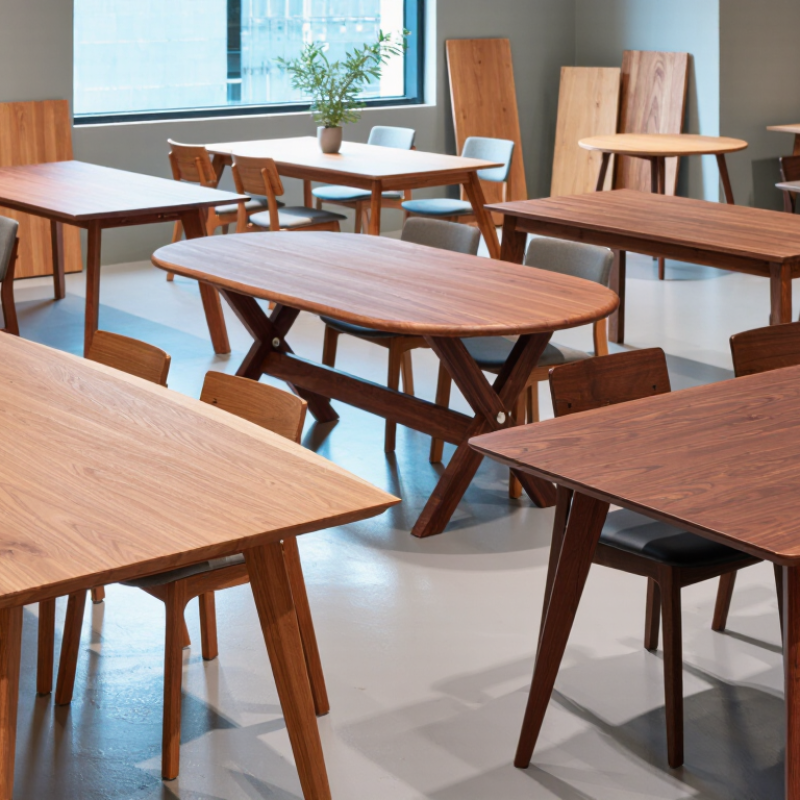
In 2026, major solid wood dining table types reflect different room sizes, dining habits, and shipping needs. Rectangular tables remain practical for family dining and commercial projects. Their straight edges fit walls efficiently, while trestle legs provide stable support and generous knee space. Oak, walnut, acacia, and rubberwood are common choices, but wood quality varies between suppliers. Buyers should request moisture content, board thickness, and finish details before ordering.

Round and oval tables suit open-plan homes because they soften sharp room lines. A central pedestal can improve legroom, especially for six-person seating. Square tables work well in compact apartments, although larger versions may feel crowded. Extendable tables offer flexibility for seasonal gatherings. Their sliding rails and leaf storage require careful inspection. A weak mechanism can damage the table’s long-term value.

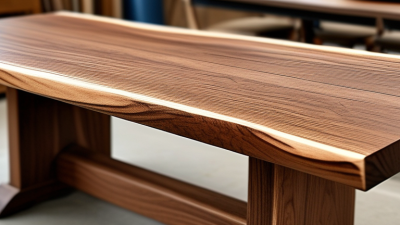
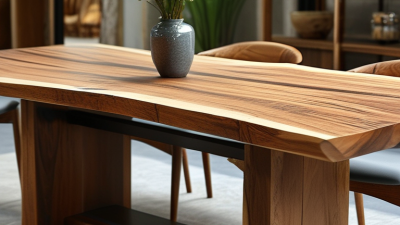
Live-edge tables create a stronger natural statement. Each edge may show knots, cracks, or color changes. That character is attractive, but it also demands realistic expectations. A perfectly uniform surface is unlikely. Solid wood expands and contracts with humidity, even after professional drying. Buyers should confirm joint construction, protective coating, packaging quality, and after-sales procedures. I have seen impressive tabletops fail because the base was too light. Appearance cannot replace structural balance.

Wood Species, Finishes, and Construction Methods

2026 Top Solid Wood Dining Table Types for Global Buyers

Wood Species, Finishes, and Construction Methods

Choosing solid wood starts with the room’s climate and daily use. Oak offers visible grain, stable performance, and a firm surface for busy dining areas. Walnut provides darker color and a smoother visual character. Rubberwood can be practical, but buyers should verify drying quality and panel construction. Species alone does not guarantee durability.

During factory inspections, I check moisture readings before examining the finish. Properly dried boards reduce later movement, although wood never becomes completely static. Wide tops need allowance for seasonal expansion. Breadboard ends, floating tenons, and reinforced aprons can help manage this movement. Fixed metal brackets may look strong, yet they can restrict natural expansion and create stress.

Finish selection changes both maintenance and appearance. A matte oil finish keeps the grain warm and allows local repairs. Water-based coatings usually provide clearer color and quicker production handling. Hardwax finishes feel natural, but spilled wine still requires prompt cleaning. Ask for sample panels.

See the surface in daylight.

Edges deserve careful attention. A lightly eased edge feels comfortable against the wrist and reduces small chips. Sharp profiles can appear elegant, but they are less forgiving in commercial settings. I have seen beautiful tables fail because the underside was ignored. Uneven sealing, weak corner joints, or thin aprons may remain hidden until the first humid season. A realistic inspection should examine every side, not just the tabletop.

How Global Buyers Can Compare Quality and Suppliers

2026 Top Solid Wood Dining Table Types for Global Buyers

Global buyers need more than attractive photographs when comparing solid wood dining tables. In 2026, popular choices include rectangular, round, extension, trestle, and pedestal designs. Round oak tables suit compact dining rooms, while extension tables support hospitality projects and growing families. Acacia, walnut, rubberwood, and oak each show different grain patterns, hardness, color changes, and moisture responses. Ask for the exact wood species, timber origin, moisture readings, and board thickness. Small details matter.

Supplier comparison should begin with verifiable production evidence. Request close-up photos of joints, undersides, tabletop edges, and finish consistency. A reliable supplier should explain kiln-drying methods, panel construction, hardware, packaging, and quality inspections clearly. Check whether boards are finger-jointed, edge-glued, or made from continuous planks. Each option has different stability and appearance. Sample approval matters. Do not judge quality from the top surface alone.

In supplier checks, a polished sample can still hide weak packaging or uneven moisture control. That mistake becomes expensive after ocean transport. Before ordering, review factory inspection records, production capacity, export experience, and shipment references. Clarify acceptable color variation, repair procedures, replacement terms, and delivery responsibilities in writing. No table is flawless. Natural knots and minor grain differences are normal, but structural cracks are not. A careful buyer compares documents, physical samples, and communication quality together.

Key Trends Shaping the 2026 Dining Table Market

2026 Top Solid Wood Dining Table Types for Global Buyers

Key Trends Shaping the 2026 Dining Table Market

Global buyers are moving toward solid wood tables that combine durability, repairability, and warmer interiors. Grand View Research estimates the global wood furniture market reached about USD 551.7 billion in 2023, with steady growth expected through 2030. This expansion supports demand for oak, walnut, rubberwood, and reclaimed timber dining tables. Natural grain remains important. So does responsible sourcing.

Extendable dining tables are gaining attention in smaller urban homes. Butterfly-leaf and drop-leaf designs can serve four people daily, then seat eight during family gatherings.

Round pedestal tables also improve movement around compact dining areas. Houzz research on home renovation consistently shows that homeowners value multifunctional spaces and practical layouts.

The trend is clear, but not universal. Some buyers still prefer heavy trestle tables because they feel more permanent.

Sustainability is becoming a purchasing filter, not merely a decorative message.

The Forest Stewardship Council reports that certified forests cover more than 150 million hectares globally, supporting traceability expectations. Buyers increasingly request moisture-resistant finishes, replaceable hardware, and documented wood origins.

Custom dimensions are also growing, especially for hospitality and residential projects. However, customization can increase lead times and waste. That trade-off deserves more honest discussion.

A beautiful live-edge table may photograph well, yet its uneven edges can reduce everyday usability.