Why Kitchen Tables Are Essential for Every Home?
Kitchen tables hold a central place in many homes, symbolizing connection and warmth. As interior design expert Sarah Thompson emphasizes, "Kitchen tables are where life happens." This simple statement highlights the essential role these pieces of furniture serve in our daily lives. They are not just surfaces for meals; they are gathering spots for conversations, laughter, and shared experiences.
The kitchen table often becomes the heart of the home. Families gather around them for breakfast, homework sessions, and holiday feasts. These moments create lasting memories. Yet, many people underestimate the impact of a well-chosen kitchen table. Choosing the right style and size can enhance both functionality and aesthetics.
Not every kitchen table works for every home. Some families may feel cramped around a small table while others thrive in a bustling atmosphere. Reflection on these needs is crucial. A kitchen table is more than just furniture; it is a canvas for daily life. By understanding its importance, homeowners can make thoughtful choices that enrich their living spaces.
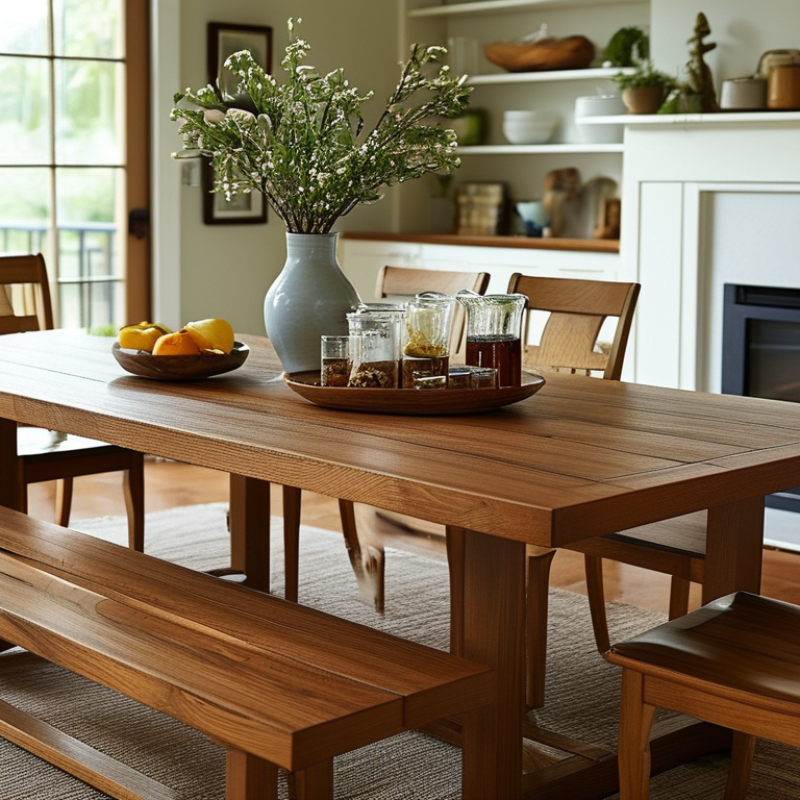
The Historical Significance of Kitchen Tables in Domestic Life
Kitchen tables have long been the heart of the home. Their historical significance is deeply rooted in domestic life. In the 19th century, families gathered around these tables for meals, discussions, and decision-making. According to a recent report by the Institute of Food Technologists, nearly 70% of families today still prioritize dining together. This suggests that kitchen tables are not just furniture but vital spaces for fostering relationships.
The design of kitchen tables has evolved, reflecting changing cultural norms. Initially, they were simple, functional pieces. As homes grew more elaborate, tables became centers for social gatherings. The American Home Survey indicates that 85% of homeowners believe a kitchen table enhances their home's warmth. This highlights its role in creating an inviting atmosphere. However, with the rise of technology, some families prefer screens over shared meals, causing a decline in quality interactions.
Yet, it’s essential to reflect on our modern lifestyle. Many people have replaced traditional gatherings with digital communication. This shift can diminish the rich history associated with kitchen tables. The responsibility lies with us to bridge this gap. Investing time at the kitchen table can strengthen family bonds and reconnect us to the roots of domestic life.
Importance of Kitchen Tables in Domestic Life
The Multifunctional Role of Kitchen Tables in Modern Homes
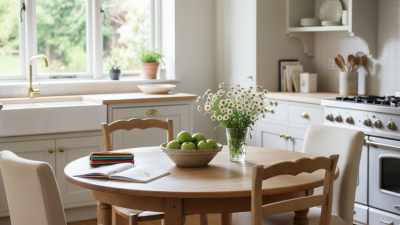
Kitchen tables serve multiple purposes in modern homes. They are not just for meals; they act as a central hub for family interactions. A kitchen table can double as a workspace, where children complete homework while parents prepare dinner. This multifunctionality makes it an essential fixture.
Consider gatherings with friends or family. The kitchen table can host game nights, craft projects, or casual chats over coffee. It becomes a space where memories are built. However, the combination of work and leisure can lead to clutter and distractions. It’s easy to lose focus when the table is piled with items.
Creating an inviting kitchen table is also a challenge. Are the chairs comfortable? Is the lighting right? Thoughtful arrangement promotes connection. Yet, many fail to invest time in this space. It’s important to reflect on the environment we create. A well-used kitchen table can enhance daily life, but it requires attention and care.
Choosing the Right Kitchen Table for Space and Style
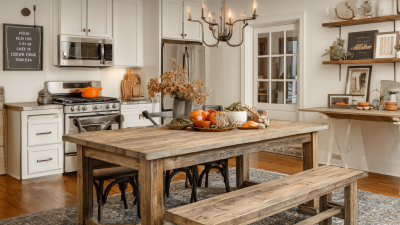
Choosing the right kitchen table is crucial for both functionality and style. Many homeowners overlook the table's impact on their overall kitchen design. A well-chosen table can enhance the space significantly. Research shows that 70% of families use their kitchen table daily for meals, homework, and socializing. This highlights the table’s role as a central hub in home life.
When selecting a kitchen table, consider the dimensions of your space. A large table may overwhelm a small kitchen. Conversely, a tiny table in a spacious area can seem lost. According to a survey from the National Kitchen and Bath Association, 48% of respondents suggest maintaining at least three feet of walking space around a dining table. This ensures comfort and accessibility during gatherings.
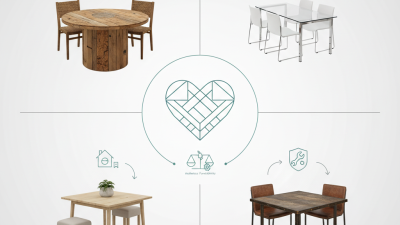
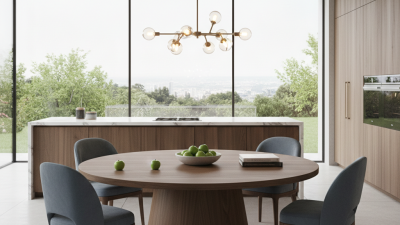
Material plays a vital role too. Wood offers warmth and timelessness, while glass can create an illusion of space. Yet, not everyone has the same tastes or needs. Some may prefer minimalist designs, while others desire traditional aesthetics. Think about how your table will fit into your daily life. It's easy to choose based on looks alone, but practicality is essential. Making the right choice can improve how you use your kitchen every day.
Cultural Perspectives on Kitchen Tables and Family Dynamics
The kitchen table serves as a pivotal space in family dynamics across cultures. In many households, it acts as a hub for interaction and bonding. A report from the American Institute of Stress indicates that family meals can significantly lower stress levels and strengthen relationships. Gatherings around the table create a sense of belonging, which is crucial for emotional health.
Cultural perspectives on kitchen tables vary widely. In some cultures, meals are a communal event, emphasizing sharing and cooperation. The Pew Research Center notes that families who eat together at least five times a week report higher levels of happiness and connection. Conversely, in busy modern lifestyles, this practice is declining, leading to a potential disconnection among family members. The challenge lies in balancing individual schedules while fostering a sense of community at the table.
Issues arise when technology intrudes on this cherished space. Many families find themselves distracted by phones or devices during mealtime. This shift can dilute the quality of conversations. Reflecting on these dynamics, it’s clear that the kitchen table should remain a priority for nurturing relationships. Striving for regular family meals can reinforce bonds, yet it requires conscious effort to unplug and engage fully in the experience.
Why Kitchen Tables Are Essential for Every Home? - Cultural Perspectives on Kitchen Tables and Family Dynamics
| Country |
Cultural Significance |
Common Activities |
Materials Used |
Family Dynamics |
| United States |
Central gathering place for family |
Meals, discussions, homework |
Wood, metal, glass |
Promotes bonding and communication |
| Italy |
Symbol of hospitality and tradition |
Family meals, celebrations, games |
Wood, ceramic |
Strengthens family ties through shared meals |
| Japan |
Place of zen and mindfulness |
Tea ceremonies, family gatherings |
Bamboo, lacquered wood |
Encourages harmony and respect |
| Mexico |
Center of family life and rituals |
Cooking, storytelling, festivals |
Wood, metal, colorful textiles |
Fosters community and social bonds |
| India |
Space for sharing meals and traditions |
Festivals, daily meals, rituals |
Wood, marble, traditional fabrics |
Encourages familial ties and respect for elders |
The Impact of Kitchen Tables on Social Interaction and Well-being
Kitchen tables serve as the heart of many homes. They foster social interaction and enhance well-being. Gathering around a table creates connections that go beyond mere conversations. Family members share their daily stories and experiences. This time together nurtures relationships and builds trust. Interestingly, studies show that regular family meals can lead to healthier eating habits and better communication skills.
The kitchen table becomes a refuge during busy times. It is a place for creativity, whether in cooking or sharing ideas. People often find solace in simple moments, like enjoying a morning coffee or discussing the day’s events. However, not every interaction is perfect. Misunderstandings can happen, but these moments also provide learning opportunities. They can strengthen bonds as families navigate through challenges.
Having a designated space for dining encourages mindfulness. It invites everyone to slow down and appreciate meals together. Yet, life can be hectic, and sitting down might feel like a luxury. Inconsistent routines can sometimes impact connections. However, bringing people together around the kitchen table is a powerful step toward rebuilding those bonds, even if they are not always easy to maintain. Consistency might require effort, but the rewards can significantly enrich daily life.