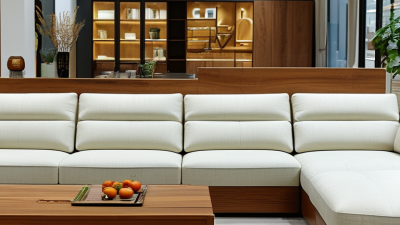
What Is Modern Furniture A Guide for Global Buyers?
Modern furniture is more than clean lines, neutral colors, and polished showroom photographs. For global buyers, it combines design, function, materials, manufacturing quality, and dependable delivery. A low-profile oak table may look simple, yet its moisture content, joint construction, surface finish, and packaging determine its real value. These details matter.
This guide explains how to assess modern furniture across international markets. It considers product dimensions, ergonomic comfort, material documentation, factory capability, quality inspection, and shipping conditions. Buyers should request clear specifications, finish samples, test reports, and photographs taken during production. A reliable supplier should explain lead times honestly and identify possible variations in wood grain, color, or handmade finishes. Verify everything.
Experience also teaches caution. A beautiful product page cannot confirm structural strength or responsible sourcing. Even experienced buyers can overlook carton dimensions and face unexpected storage costs. Measurements should be checked against doorways, elevators, and installation spaces before ordering. Local standards may also influence electrical components, fire performance, labeling, or commercial use. Requirements differ by destination.
The goal is not to find the cheapest item. It is to identify furniture that performs well, communicates its risks clearly, and remains suitable after delivery. Some decisions will still involve uncertainty. A thoughtful buyer records assumptions, compares suppliers, and improves the process with every project. That practical discipline supports better purchasing decisions for homes, offices, hospitality spaces, and international retail programs.

Definition and Core Features of Modern Furniture
Modern furniture is a design approach built around clarity, function, and restrained decoration. Its forms often use clean lines, balanced proportions, and practical surfaces. Unlike heavily ornate furniture, modern pieces let structure and material remain visible. Steel, glass, wood, leather, and engineered panels are common choices. Color palettes usually favor neutrals, although one strong accent can add warmth.
For global buyers, modern furniture should be judged beyond appearance. A low-profile sofa may look elegant, but its seat depth must suit everyday use. A dining table needs stable joints, a durable finish, and enough clearance for comfortable seating. In real projects, small details matter: smooth drawer movement, even stitching, protected edges, and accurate dimensions. Product specifications should clearly state materials, measurements, care requirements, and packing details. These records improve purchasing confidence and reduce avoidable misunderstandings. Still, “modern” is not always comfortable. Some designs sacrifice softness for visual purity, and that trade-off deserves honest reflection.
Tips: Measure doorways, lifts, and room corners before ordering. Request material samples when color consistency matters. Check weight limits for shelves and seating. Ask how surfaces respond to heat, moisture, and daily cleaning. Compare photographs with technical drawings. A polished image can hide an impractical scale. Test comfort whenever possible.
What Is Modern Furniture? A Guide for Global Buyers
Modern furniture is generally defined by clean lines, practical proportions, limited ornamentation, and efficient use of space. The chart shows common residential dimension benchmarks that help global buyers evaluate furniture scale and functionality.
Measurements are typical design benchmarks in centimeters; actual dimensions vary by region, use case, and product specification.
Key Materials, Forms, and Manufacturing Methods
Modern furniture depends on material discipline, not decoration alone. Rectangular frames, softened corners, and open bases create a lighter visual language. Their success depends on proportion, stability, and daily comfort. Engineered wood offers consistent panels and efficient cutting. Solid timber adds warmth, but moisture movement needs careful control. Steel and aluminum support thin profiles, while recycled polymers suit curved shells and lightweight components. FAO’s 2022 State of the World’s Forests reports a 420-million-hectare forest loss since 1990. Responsible buyers should request legal sourcing records and credible chain-of-custody evidence.
Manufacturing choices shape both quality and cost. CNC routing improves repeatability, especially for concealed joints and modular parts. Flat-pack construction can reduce shipping volume, but weak connectors quickly reveal poor engineering. Powder-coated metal usually provides a durable surface with fewer liquid solvents. Water-based finishes may reduce indoor emissions, although curing quality still requires testing. The Circularity Gap Report 2024 measured the global economy’s circularity at only 7.2%. That figure makes replaceable covers, standard fasteners, and repair access commercially important. A material can be recycled yet remain wasteful if it travels too far or cannot be separated. I have found that beautifully photographed furniture often hides uneven edges and inaccessible screws. Sample testing, factory audits, and written tolerances matter more than showroom confidence. Designs should be questioned before approval.
What Is Modern Furniture? A Guide for Global Buyers — Key Materials, Forms, and Manufacturing Methods
| Furniture Category | Common Materials | Typical Modern Forms | Main Manufacturing Methods | Key Performance Characteristics | Typical Applications | Buyer Considerations |
|---|---|---|---|---|---|---|
| Seating | Solid wood Plywood Steel Polyurethane foam Textile or leather | Low-profile silhouettes, clean lines, geometric frames, modular sections, and rounded backs. | Cutting and machining, steam bending, welding, foam molding, upholstery, stitching, and surface finishing. | Comfort depends on seat depth, foam density, suspension, and ergonomic support. Steel and hardwood frames can provide high structural strength. | Living rooms, lounges, reception areas, restaurants, hotels, and collaborative workspaces. | Check seat dimensions, tested load capacity, fabric abrasion resistance, fire-safety requirements, and packaging protection. |
| Tables | Hardwood MDF Particleboard Glass Aluminum | Rectangular, circular, oval, nesting, extendable, cantilevered, and pedestal-based designs. | Panel cutting, CNC routing, edge banding, metal forming, powder coating, glass tempering, and assembly. | Stability is influenced by base geometry, material thickness, joint quality, and center of gravity. Tempered glass is stronger and safer than untreated glass when broken. | Dining rooms, offices, meeting spaces, cafés, retail interiors, and outdoor areas. | Confirm top flatness, moisture resistance, surface durability, leg clearance, knock-down construction, and carton dimensions. |
| Storage Furniture | Engineered wood Steel Aluminum Glass Laminate | Modular cabinets, open shelving, floating units, sliding-door systems, and handleless fronts. | Panel sizing, CNC drilling, edge treatment, sheet-metal stamping, laser cutting, powder coating, and hardware installation. | Engineered panels offer consistent dimensions; metal frames support high loads when properly braced. Anti-tip features improve safety. | Bedrooms, kitchens, offices, libraries, media rooms, retail displays, and hospitality interiors. | Review shelf load ratings, wall-anchoring requirements, hinge cycle testing, moisture exposure, and assembly instructions. |
| Beds and Bedroom Furniture | Solid wood Plywood Steel Foam Woven fabric | Platform beds, upholstered headboards, floating visual effects, integrated storage, and streamlined bedside units. | Joinery, CNC machining, welding, foam cutting, upholstery, veneer pressing, and water- or solvent-based finishing. | Frame rigidity, slat spacing, ventilation, and joint strength affect durability and mattress support. | Residential bedrooms, serviced apartments, hotels, and student accommodation. | Verify mattress-size compatibility, slat spacing, weight capacity, VOC emissions, textile performance, and export packaging. |
| Office Furniture | Steel Aluminum Melamine panels Mesh Polypropylene | Height-adjustable desks, task chairs, benching systems, acoustic screens, and flexible modular workstations. | Metal stamping, tube bending, injection molding, powder coating, panel processing, upholstery, and component assembly. | Adjustability, posture support, castor quality, cable management, and repeated-use durability are important for commercial environments. | Corporate offices, coworking spaces, education facilities, call centers, and home offices. | Request ergonomic test data, adjustment ranges, caster compatibility, electrical specifications, replacement-part availability, and warranty terms. |
| Outdoor Furniture | Aluminum Stainless steel HDPE Synthetic rattan Outdoor textiles | Stackable chairs, lightweight modular lounges, slatted tables, folding pieces, and weather-resistant sectional seating. | Extrusion, die casting, welding, powder coating, injection molding, weaving, and UV-resistant upholstery production. | Resistance to corrosion, ultraviolet exposure, moisture, temperature changes, and mildew varies by material and coating system. | Patios, balconies, gardens, restaurants, resorts, pool areas, and public spaces. | Confirm coating thickness, salt-spray performance, drainage design, UV stability, wind resistance, and recommended seasonal storage. |
| Lighting and Accent Pieces | Aluminum Steel Glass Ceramic Wood | Simple cylindrical, spherical, linear, arched, sculptural, and asymmetrical forms. | Metal spinning, stamping, glass blowing or pressing, ceramic firing, CNC cutting, coating, and electrical assembly. | Performance depends on heat management, electrical insulation, shade strength, fitting compatibility, and finish durability. | Residential interiors, hospitality spaces, retail stores, offices, and display environments. | Check voltage and frequency compatibility, socket standards, energy rating, certification requirements, replacement components, and installation instructions. |
| Sustainable and Circular Designs | Certified wood Recycled metal Recycled plastics Bamboo Bio-based panels | Repairable, demountable, modular, mono-material, and flat-pack constructions designed for extended use. | Efficient nesting, mechanical fasteners, material separation, low-waste CNC processing, recycled-content molding, and water-based finishing. | Environmental performance depends on material sourcing, product lifespan, repairability, recycled content, energy use, and end-of-life options. | Residential, commercial, educational, hospitality, and public-sector projects seeking lower lifecycle impact. | Ask for verified recycled-content data, responsible sourcing documentation, emissions information, repair guidance, and recycling instructions. |
| Global Manufacturing and Delivery | Materials are selected according to structural needs, local regulations, climate, price level, and transport requirements. | Flat-pack, knock-down, stackable, nesting, modular, and container-efficient formats. | Digital design, CNC production, automated cutting, robotic welding, standardized hardware, quality inspection, and protective packaging. | Consistent tolerances, repeatable finishes, efficient logistics, and documented quality-control procedures support international distribution. | Cross-border residential projects, contract interiors, hospitality developments, retail programs, and volume procurement. | Confirm applicable safety standards, customs documentation, tariff classification, carton markings, moisture protection, lead times, minimum order quantities, and after-sales support. |
Main Types of Modern Furniture for Global Buyers
Modern furniture is defined by clean lines, useful proportions, and practical materials. The main types include modular sofas, platform beds, extendable dining tables, ergonomic office chairs, and compact storage units. Modular sofas suit changing room sizes because sections can be rearranged or removed. Platform beds create a low, calm profile and often provide hidden storage beneath the mattress.
Global buyers should compare more than appearance. A dining table may look elegant online but fail in a narrow lift or doorway. Measure the packed dimensions, not only the assembled size. For warm, humid regions, powder-coated metal, sealed wood, and breathable upholstery usually perform better. In dry climates, natural timber may need careful moisture control to reduce cracking. Materials matter.
Office chairs need adjustable seat height, lumbar support, and stable casters for the local floor type. Storage furniture should include reliable hinges and wall-safety fittings, especially in homes with children. Buyers should also check local fire-safety rules, electrical standards, warranty terms, and replacement-part access before ordering. These details are easy to miss. I once assumed a slim cabinet would save space, but its door swing blocked a hallway. That mistake changed my checklist. Modern design is not always practical. A beautiful chair can still feel wrong after two hours.
How to Evaluate Quality, Comfort, and Durability
Modern furniture often looks simple, but its quality hides in small construction details. From inspecting showroom pieces and delivered items, I check joints before judging appearance. Strong chairs usually have tight connections, even legs, and no rocking on a flat floor. Kiln-dried wood can reduce movement, while thick veneer often performs better than very thin decorative layers. Open drawers should glide quietly and stay aligned. A beautiful finish cannot repair weak internal construction.
Comfort requires more than a soft cushion. Sit for at least ten minutes, if possible. Notice whether your feet rest naturally and your lower back feels supported. Seat depth matters, especially for shorter or taller users. Sharp edges may become irritating during daily use. For sofas, press the cushion corners and center. Uneven recovery can reveal poor filling or weak support. Comfort is personal. Room temperature and clothing can also change the experience.
Durability depends on materials, design, and daily habits. Ask about frame structure, cushion density, fabric abrasion testing, and replacement parts. A dining table should resist ordinary spills, but standing water may still damage its surface. I once trusted a heavy table too quickly; its weight suggested strength, yet the loose underside hardware needed attention. That mistake changed my inspection routine. I now examine hidden fasteners, underside panels, and floor protectors before approving a purchase. Product measurements and care instructions should match the space, climate, and expected use.
International Buying, Shipping, and Compliance Considerations
Buying modern furniture across borders requires more than choosing attractive shapes and neutral colors. I have learned that a polished product page can hide practical problems. Request exact dimensions, material composition, assembly instructions, and recent product photographs. A sample order is often worth the extra cost. It reveals uneven finishes, weak joints, and packaging gaps before a full shipment leaves the factory.
Shipping terms must be clear in writing. Confirm whether the quote includes inland transport, export clearance, ocean freight, insurance, duties, and destination delivery. Measure the packed cartons, not only the finished table. A narrow elevator or a damaged pallet can change the real cost quickly. Use moisture-resistant wrapping and corner protection for fragile surfaces. If wood packaging is used, check whether the destination requires approved treatment and marking.
Compliance depends on the destination market and the furniture category. Ask for applicable safety tests, chemical declarations, labeling rules, and fire-performance documents. Children’s furniture and upholstered items may face stricter requirements. Keep invoices, packing lists, certificates, and inspection records together. A customs broker or local compliance specialist can verify uncertain points before dispatch. Do not rely on assumptions.
Mistakes still happen.
A supplier may send an outdated test report, or a translated label may omit a warning. Review every document against the final product, including color, materials, and model number. This small discipline protects buyers from delays, recalls, and expensive rework.
Related Posts
-
China Best Modern Furniture Manufacturers for Global Buyers?
-
Top 10 Modern Furniture Trends You Need to Know?
-

How to Choose Modern Furniture for Your Home or Office?
-

Best Love Seat Sofa Options for Cozy Living Spaces?
-
What is the Best Dining Room Table Sets for Every Home Style?
-
2026 Top Trends for Solid Wood Dining Table Designs and Styles?