10 Tips to Choose the Best Sectional Sofa with Chaise
Choosing a sectional sofa with chaise can change how a room feels, moves, and functions. It is not merely a large seat. It becomes the place for morning coffee, movie nights, afternoon naps, and unexpected guests.
Interior designer Nate Berkus offers a useful standard: “Your home should rise up to greet you.” That idea matters when selecting a sectional. The sofa should welcome people without overwhelming the room. It should support real habits, not just create an attractive photograph.
This guide, “10 Tips to Choose the Best Sectional Sofa with Chaise,” examines the details that are easy to miss. We will consider room measurements, chaise direction, seat depth, cushion construction, upholstery, frame quality, comfort, and delivery access. A beautiful sofa may still fail if its chaise blocks a doorway. A soft cushion may feel inviting today, then lose its shape within months.
Measure twice.
Personal experience also teaches an uncomfortable lesson: showroom comfort can be misleading. Sitting for three minutes does not replicate an evening spent reading. A low back may look elegant but offer poor support. A pale fabric may brighten a room but demand constant care.
The best sectional sofa with chaise balances appearance, durability, circulation, and everyday comfort. Some choices will remain subjective. That is where careful reflection becomes valuable. Consider who uses the room, how often, and what the sofa must endure before trusting a style trend.
Define Your Space, Layout, and Sofa Size Requirements
Choosing a sectional sofa with chaise starts with defining the room, not browsing upholstery colors. Measure the wall, doorway, stairwell, and elevator before comparing designs. Record each measurement twice. I once trusted a floor plan and discovered that a narrow hallway reduced the usable width by four inches.
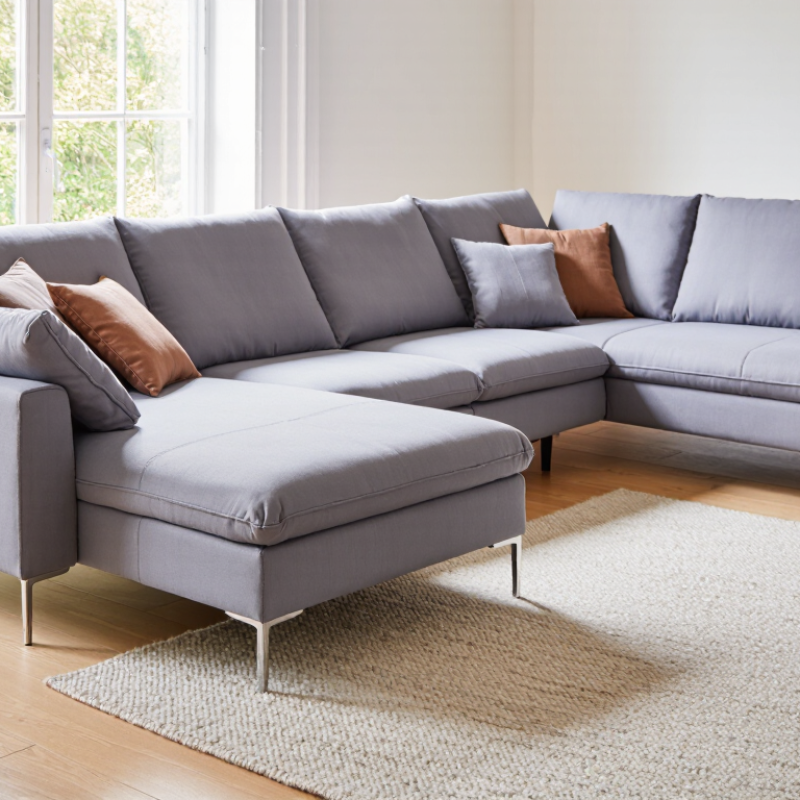
Mark the sofa’s footprint with painter’s tape on the floor. Leave about 30 to 36 inches for main walkways, and keep doors, vents, and radiators clear. A chaise usually needs more depth than expected, especially beside a coffee table. Sit inside the taped outline for several minutes. It may feel surprisingly large.
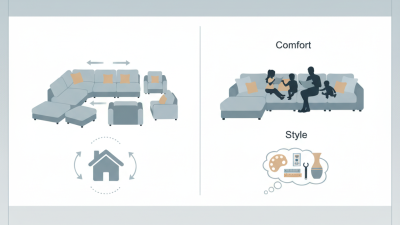
Match the sectional shape to the room’s traffic pattern. A left-facing chaise can block movement when the entrance sits nearby, while a reversible configuration offers more flexibility. For small rooms, choose a shallower seat and shorter chaise. Larger spaces can handle deeper cushions, but oversized furniture may make conversation feel distant. Check seat height, cushion firmness, and back support in person whenever possible. Online dimensions can be accurate yet still misleading because arm thickness changes the usable seating area. My own preference for a deep chaise once reduced the walking space beside a window. That mistake looked minor on paper. It was annoying every day. Consider how many people sit together, whether guests sleep there, and where lamps or side tables will stand before making the final layout.
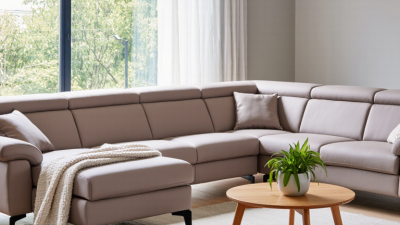
Choose the Right Chaise Configuration and Sectional Shape
Choose the chaise before choosing upholstery. Grand View Research valued the global furniture market at about USD 516.7 billion in 2022, with 5.2% projected annual growth through 2030. That growth reflects demand for adaptable home furnishings. Tip 1: Mark the sofa footprint with painter’s tape. Tip 2: Measure walking paths, door swings, and radiator clearance. Tip 3: Decide whether the chaise sits left, right, or remains reversible. Stand in the room.
Tip 4: Match the sectional shape to traffic. An L-shape suits a corner and preserves central floor space. A U-shape creates generous conversation seating but needs more clearance. Tip 5: Check the main viewing axis toward the television or windows. Tip 6: Use a floating chaise as a gentle room divider. Tip 7: Test seat depth with every regular user. A deep seat may feel luxurious, yet shorter users can lose back support. This is where showroom displays mislead.
Tip 8: Confirm the return side before ordering. “Left-facing” can change between manufacturers. Tip 9: Review modular connection hardware and cushion recovery. FIRA seating guidance stresses stability and suitability for intended use. Tip 10: Measure delivery routes, including stair turns and elevator doors. I once trusted a floor plan and forgot a narrow hallway. The sofa fit. The chaise did not. A reversible configuration may cost more, but it can protect future flexibility.
10 Tips to Choose the Best Sectional Sofa with Chaise
| Tip | Decision Focus | Chaise Configuration | Recommended Sectional Shape | Best Room Application | Useful Planning Data | Main Advantage | What to Check Before Buying |
|---|---|---|---|---|---|---|---|
| 1 | Measure the room first | Left-facing or right-facing chaise, depending on the available wall and traffic path. | Compact L-shape | Small living rooms, apartments, and open-plan spaces with limited floor area. | Typical overall width: 90–115 in (229–292 cm). Keep approximately 30–36 in (76–91 cm) for main walkways. | Uses a corner efficiently without filling the entire room. | Measure walls, doorways, elevators, stairways, and the final turning path—not only the floor space. |
| 2 | Choose a fixed or reversible chaise | Fixed chaise has one permanent side; reversible chaise can usually switch from left to right. | Reversible L-shape | Rental homes, frequently rearranged rooms, and spaces with uncertain furniture layouts. | A reversible chaise commonly adds about 55–75 in (140–191 cm) to the sectional’s long side. | Provides greater layout flexibility over time. | Confirm whether the chaise can truly be moved and whether the connection hardware is included. |
| 3 | Match the shape to the room | One-sided chaise keeps the opposite side open for circulation. | L-shape | Rectangular rooms where the sectional needs to sit against two walls or define a corner. | Typical depth: 34–40 in (86–102 cm); chaise depth may be 60–70 in (152–178 cm). | Creates a clear seating direction while preserving open space. | Leave enough distance from doors, radiators, vents, and windows with operating panels. |
| 4 | Consider a U-shaped layout | Two extended ends or two chaise-style lounge sections. | U-shape | Large family rooms, media rooms, and homes designed for group conversation. | Many U-shaped sectionals require at least 11 × 11 ft (3.4 × 3.4 m) of usable space, depending on depth. | Offers generous seating and a naturally enclosed conversation area. | Check that the center opening and surrounding walkways do not become too narrow. |
| 5 | Select the correct seat capacity | Single chaise paired with a two-seat or three-seat sofa section. | L-shape or apartment-size modular shape | Couples, small families, and rooms where occasional chairs provide extra seating. | Two-seat configurations are often about 75–95 in (191–241 cm) wide; three-seat versions may be 90–120 in (229–305 cm). | Balances everyday comfort with a smaller footprint. | Count usable seats rather than cushions; wide arms and deep corners may reduce practical seating capacity. |
| 6 | Check chaise depth and legroom | Standard chaise, deep chaise, or double-chaise lounge. | Deep L-shape | Lounging, reading, gaming, and relaxed family rooms. | A chaise seat depth of roughly 55–70 in (140–178 cm) generally supports stretched-out lounging; verify usable interior length. | Provides a comfortable place to recline without an ottoman. | Compare the chaise’s usable length with the tallest user’s height and check whether the back cushion reduces legroom. |
| 7 | Plan television and conversation angles | Chaise positioned parallel to the preferred viewing direction. | Low-profile L-shape or modular sectional | Media rooms and living rooms combining television viewing with conversation. | For comfortable viewing, place seating so the screen is not excessively close; the ideal distance varies with screen size and resolution. | Supports both forward viewing and side-by-side conversation. | Ensure the chaise does not block the main sightline or force users to twist their necks toward the screen. |
| 8 | Evaluate modular flexibility | Freestanding chaise module, corner module, armless chair, or ottoman-based chaise. | Modular L-shape or flexible U-shape | Growing households, multifunctional rooms, and homes that may be redesigned later. | Individual modules are easier to carry than a fully assembled sofa; confirm each module’s width and weight before delivery. | Allows the seating arrangement to change as needs evolve. | Check connector strength, module alignment, replacement-part availability, and whether pieces slide on hard floors. |
| 9 | Match upholstery to daily use | Any chaise configuration; prioritize removable or replaceable covers when available. | Any shape selected for the room | Homes with children, pets, frequent entertaining, or heavy daily use. | Look for durable construction, tightly woven fabric, reinforced seams, and care instructions suited to the household. | Improves long-term appearance and simplifies routine maintenance. | Ask how the fabric is cleaned, whether cushion covers are removable, and whether all exposed surfaces use the same material. |
| 10 | Review comfort and construction | Test both the sofa seat and chaise because their support can feel different. | L-shape, U-shape, or modular shape based on space | Any living area where the sectional will be used for extended periods. | Seat height is commonly around 17–20 in (43–51 cm), while seat depth often falls near 20–26 in (51–66 cm). | Helps ensure comfortable posture and dependable everyday support. | Check frame materials, suspension, cushion density, return terms, warranty coverage, and whether the sofa passes through the entry route. |
Dimensions are typical planning ranges rather than universal standards. Always verify the exact product measurements, clearances, delivery requirements, and upholstery-care instructions before purchase.
Compare Materials, Cushion Types, Comfort, and Durability
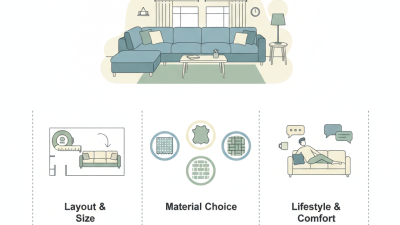
Choosing a sectional sofa with a chaise starts with its materials. Performance fabric handles daily spills better than delicate linen, but it may feel less natural. Leather usually wipes clean and develops character, though direct sunlight can dry or fade it. Check the frame underneath. Kiln-dried hardwood and reinforced joints usually provide steadier support than thin, flexible boards.
Cushion construction changes comfort more than appearance. High-resilience foam offers a firmer seat and easier recovery. Down or feather blends feel softer, but they need regular fluffing. A layered cushion can balance both qualities.
Sit for at least ten minutes. Notice whether your hips sink too deeply or your knees rise awkwardly. Small details matter.
I once chose a soft sofa that looked inviting. My judgment was wrong. After several months, the cushions flattened near the chaise. A deeper seat is not automatically more comfortable. Measure the room, doorway, and walking paths before ordering. Test the fabric under bright light, and inspect the stitching at corners. Ask about cushion replacement, cleaning instructions, and frame coverage. These questions reveal how seriously a manufacturer treats long-term use. Comfort should fit your posture, not merely your first impression.
Check Frame Quality, Construction, Maintenance, and Warranty
10 Tips to Choose the Best Sectional Sofa with Chaise
Tip 1: Inspect the frame before admiring the fabric. Kiln-dried hardwood or reinforced furniture-grade plywood usually resists warping. Ask how joints are connected. Corner blocks, screws, and glue offer better support than staples alone. Sit near the chaise edge and listen for creaks. Silence helps, but it proves nothing by itself.
Tip 2: Check the construction underneath. Lift a cushion and examine the support system. Sinuous springs can feel resilient, while eight-way hand-tied springs may provide a more controlled response. Neither option guarantees comfort. Foam density, cushion depth, and weight distribution also matter. Press the seat, then stand up slowly. It should recover without staying visibly compressed. One detail buyers often overlook is the chaise connection. A weak bracket can cause movement after repeated use.
Tip 3: Study maintenance requirements before choosing performance fabric or leather. Removable covers simplify cleaning, but zippers can fail and colors may fade near windows. Ask for approved cleaning methods, not vague promises. Read the warranty carefully. Check coverage for frame cracks, spring failure, stitching, stains, and normal wear. Read the exclusions. A long warranty may offer limited practical protection.
Keep invoices, care instructions, and delivery photos. They can support a future claim. I would also measure doorways twice, because sectional pieces can seem smaller in a showroom. That mistake is surprisingly common. A warranty covering only the frame may not protect the cushions or reclining hardware. Ask whether service is local, how repairs are arranged, and whether labor or transport costs are included.
Set a Budget and Evaluate Delivery, Assembly, and Return Policies
A sectional sofa with a chaise can look affordable until delivery and assembly fees appear. Set a complete budget before comparing fabrics, cushions, and layouts. Include taxes, stair fees, room preparation, and possible disposal charges. Leave a small reserve for unexpected costs. Furniture planning rarely stays exact.
Measure doorways, hallways, elevators, and the final room. Write down each measurement. Delivery teams may need several inches of clearance for boxed sections. Ask whether the sofa arrives in separate pieces or one large unit. Confirm the delivery window, room placement, packaging removal, and damage inspection process. Take clear photos before opening every package. This creates useful evidence if a panel arrives scratched or missing.
Assembly terms deserve careful reading. Some services include only attaching legs, while others connect every sectional piece. Ask whether tools, stairs, and wall protection cost extra. I once underestimated assembly time and discovered that a tight corner required two people. That mistake changed my planning. A return policy also needs practical details. Check the return period, restocking charge, pickup fee, and exclusions for customized upholstery. Confirm whether opened or assembled furniture remains eligible for return. Keep receipts, packaging, and written delivery promises until the sofa feels stable and comfortable. A low initial price may not be the lowest final cost.